


Alckmin’s Failed Diplomacy: A Wake-Up Call for Brazil’s Leadership
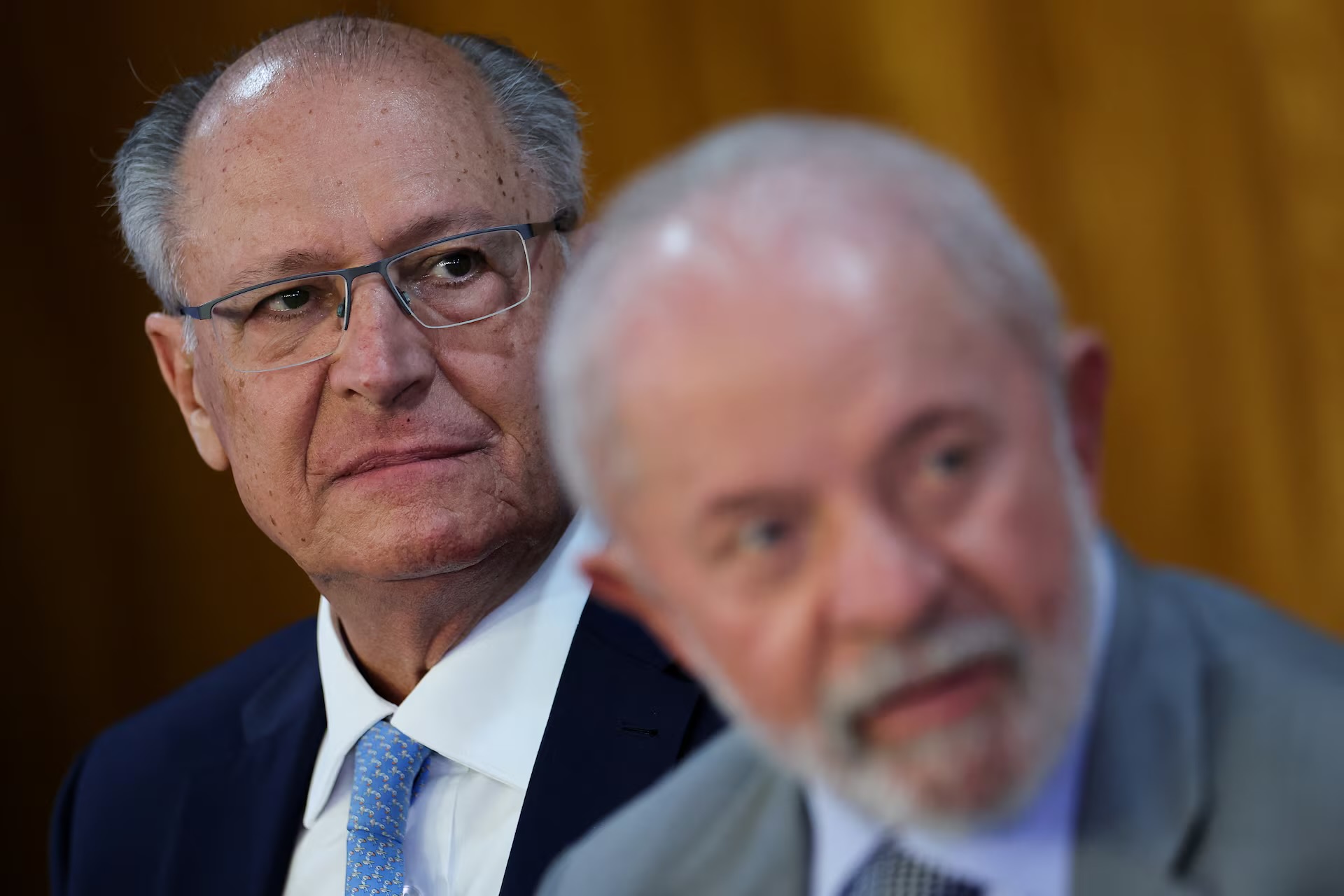
Today, the news from Vice President Geraldo Alckmin’s recent outreach to the White House casts a long shadow over Brazil’s political landscape. In a desperate bid to mitigate the 50% tariffs imposed by President Donald Trump on Brazilian goods, Alckmin engaged in what he called a “very important” conversation with U.S. Commerce Secretary Howard Lutnick. Yet, the outcome reveals a harsh reality: the leftist government’s diplomatic efforts have hit a brick wall, exposing the fragility of Brazil’s current leadership under President Luiz Inácio Lula da Silva.
The tariffs, a bold move by Trump to pressure Brazil into dropping charges against former President Jair Bolsonaro, are a clear signal of America’s frustration with the Lula administration’s handling of political persecution. Alckmin’s attempt to negotiate—framed as a neutral, apolitical dialogue—failed to secure any meaningful concessions. Instead, the White House delivered a sobering message: the final word rests with Trump himself, bypassing traditional channels and leaving Brazil’s negotiators scrambling. This isn’t just a diplomatic snub; it’s a testament to the lack of respect the international community holds for a government mired in ideological rigidity and internal chaos.
The desperation within Lula’s administration is palpable. Minister of Finance Fernando Haddad’s inability to establish direct contact with his U.S. counterpart, relying instead on technical discussions, underscores a broader incompetence. The PT (Workers’ Party) leadership, once adept at projecting strength, now appears out of its depth, clinging to outdated socialist rhetoric while the economy teeters on the brink. Trump’s tariffs threaten key sectors—steel, agriculture, and manufacturing—sectors that have long been the backbone of Brazil’s trade with the U.S., our second-largest export market. Yet, rather than addressing the root causes of this crisis, the government doubles down on its defense of politically motivated legal actions against Bolsonaro, alienating a powerful ally.
This debacle is no surprise to those who have watched Lula’s tenure unfold. His administration’s ties to radical ideologies and questionable governance have eroded Brazil’s credibility abroad. The public, increasingly fed up with this mismanagement, has taken to the streets in protest, a movement that ironically bolsters Lula’s rivals. The conservative base, energized by Bolsonaro’s legacy, sees this as validation of their warnings: a leftist government cannot be trusted to safeguard national interests.
Alckmin’s failure is a microcosm of a larger problem. Brazil needs leaders who prioritize economic stability and national sovereignty over ideological crusades. The U.S., under Trump’s decisive leadership, has shown it will not bend to weak diplomacy or political blackmail. It’s time for Brazil to reject the PT’s failed experiment and return to a governance model rooted in pragmatism and strength. The tariffs are a wake-up call—will the nation heed it, or continue down a path of self-inflicted decline? The choice is ours, and the clock is ticking.


