




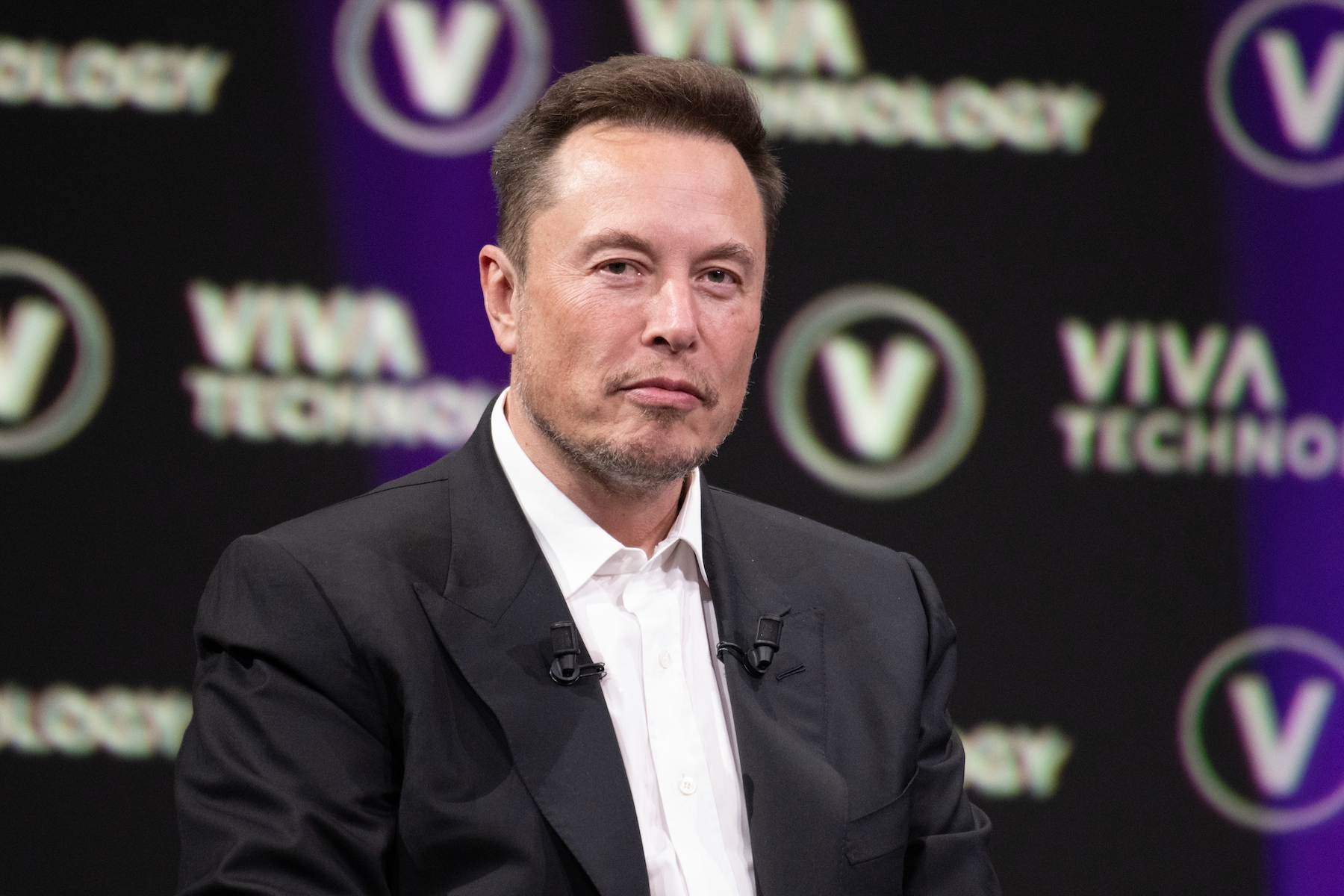
America First in AI: Elon Musk’s Strategic Absence from the Globalist India Summit
By Hotspotnews
On February 19, 2026, as world leaders and tech executives gathered in New Delhi for the India AI Impact Summit, the event’s true character came into sharp focus—not as a platform for American technological dominance, but as a carefully staged celebration of globalization, multipolar power-sharing, and Global South redistribution of innovation’s spoils.
Framed around “People, Planet, Progress” and seven symbolic “chakras” of AI, the summit pushed hard for “inclusive governance,” democratizing access to foundational models, data sovereignty for developing nations, and a deliberate pushback against the so-called “American stack.” Prime Minister Narendra Modi and French President Emmanuel Macron led the charge for international guardrails, collaborative frameworks, and ensuring AI benefits flow equitably rather than concentrating power where it has always thrived: in the free-market engine of the United States. Brazilian President Lula da Silva added his trademark socialist flair, praising the forum as a “digital homecoming” for the Global South while offering little beyond diplomatic theater.
This was never an America First event. It was the opposite—a multilateral talk shop designed to erode unilateral U.S. advantage in compute, chips, algorithms, and real-world deployment. While American companies like OpenAI (Sam Altman) and Anthropic (Dario Amodei) sent their CEOs, the atmosphere was tense and arms-length. The awkward refusal to link arms in a forced unity pose with Modi spoke volumes: even these U.S. innovators sensed the trap of symbolic collaboration that could invite foreign demands for technology transfer, regulatory alignment, or “equitable” sharing of breakthroughs built on American risk capital and ingenuity.
A U.S. Ambassador attended alongside industry delegations, touting American leadership in side sessions. But the main stage belonged to the globalist script—prioritizing welfare for all nations over supremacy for the one that invented modern AI. Cancellations by figures like Bill Gates and Nvidia’s Jensen Huang only underscored the chaos and mismatched priorities.
Then there was the most telling absence of all: Elon Musk.
Musk, the embodiment of unapologetic American innovation, did not attend—and for good reason. He has never aligned with the crowd of globalist leaders who dominate these forums: socialist presidents like Lula, European regulators like Macron, or any gathering that subordinates national strength to vague “multipolar” ideals. Musk’s America First instincts run deep. He builds in America—gigafactories, Starship, xAI’s massive compute clusters—while demanding deregulation, energy abundance, and zero tolerance for ideological capture in technology. His creation of Grok was explicitly a rejection of the censored, “safe,” globally palatable AI pushed by others who bend to international pressures.
Musk understands that true leadership in the AI race isn’t forged in handshakes with those who view American excellence as a problem to be diluted through “inclusion.” It comes from relentless private-sector execution, free from the drag of summits that treat U.S. patents, data centers, and talent as global commons. He has repeatedly warned against the slow, consensus-driven approach favored by multilateral bodies and foreign governments—precisely the model on display in New Delhi. By staying away, Musk preserved his independence and sent a clear message: America’s future in AI will be won by builders who refuse to dilute their edge for photo-ops and platitudes.
This summit revealed the fault line in the AI era. On one side stands the America First vision: unleash American companies with low taxes, minimal bureaucracy, and a laser focus on outcompeting the world through superior technology and speed. On the other, the globalist alternative—shared governance, technology leveling, and endless diplomacy that rewards laggards at the expense of leaders.
Elon Musk’s absence wasn’t a snub; it was a statement of principle. While others posed for global unity, he stayed focused on delivering the breakthroughs that keep America ahead. In the defining technology contest of our time, that’s the only vision that matters. The giants of true innovation don’t attend the summits—they define the future on their own terms.


