



The Banco Master Scandal: Elite Payments, Banking Fraud, and the Heavy Price for Brazil’s Citizens
By Hotspotnews
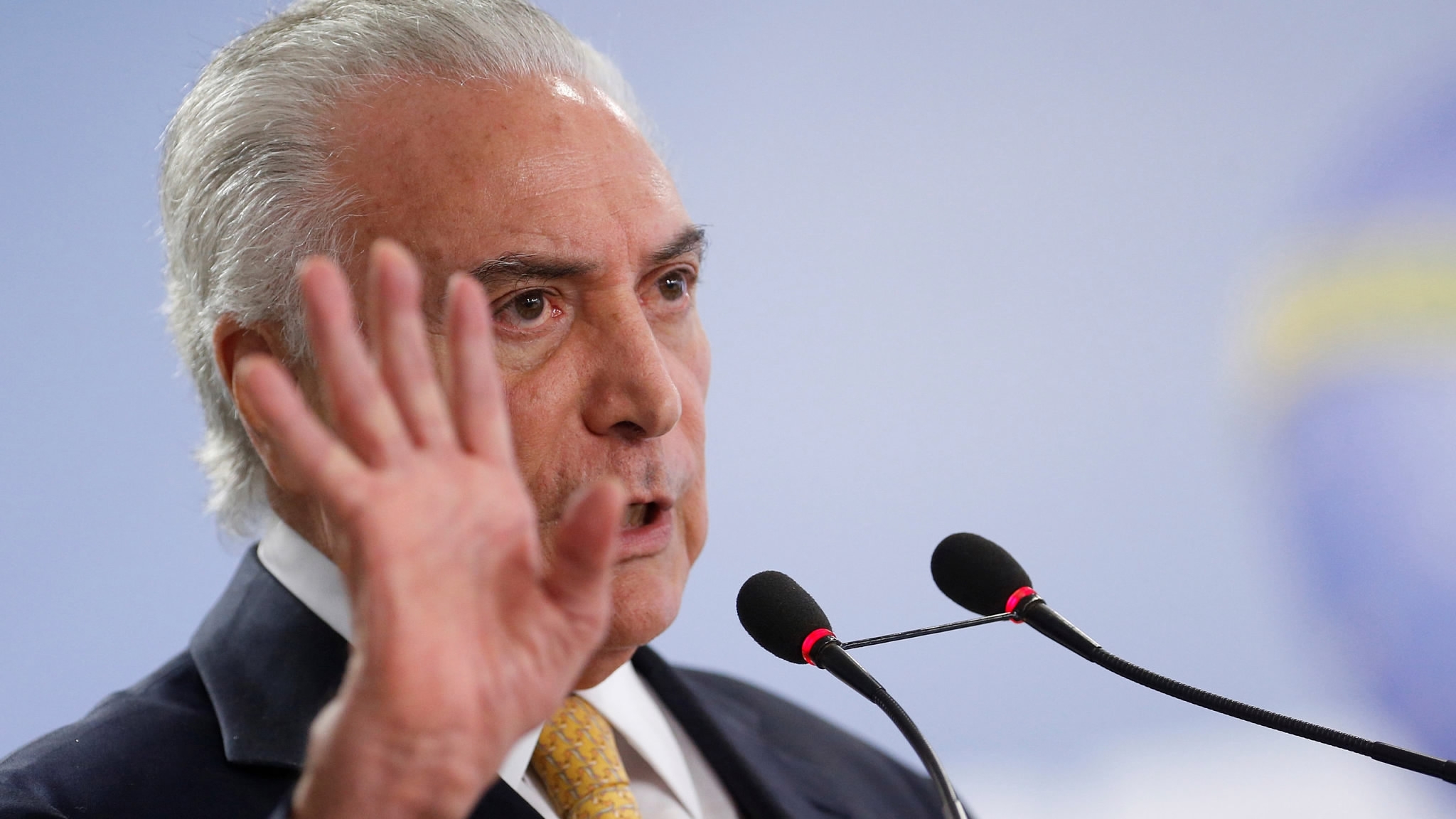
Recent disclosures from Brazil’s tax authorities have once again thrust former President Michel Temer into the spotlight. Documents sent to the Senate’s CPI on Organized Crime reveal that Banco Master declared payments of R$10 million to Temer’s law office in 2025. Temer has acknowledged the contract for mediation and legal consultancy services related to the bank’s attempted sale but maintains the actual amount received was R$7.5 million in legitimate professional fees after he left public office.
These payments occurred against the backdrop of one of the largest alleged banking frauds in Brazilian history. Banco Master, under controller Daniel Vorcaro, faced liquidation by the Central Bank in November 2025 amid accusations of massive irregularities, including fictitious credit portfolios and other schemes that triggered significant losses for the Fundo Garantidor de Créditos (FGC). The FGC, which protects depositors up to certain limits, has faced a historic payout burden estimated in the tens of billions of reais—costs ultimately shouldered by the broader banking system and, indirectly, everyday savers and the economy.
The Broader Web of Connections
This is not an isolated incident involving one former president. Revelations have pointed to consulting contracts, payments, or relationships linking the bank to a range of political figures, ex-ministers, and law firms across different parties and ideological spectrums. Names tied to various power centers—including those associated with past and present administrations—have surfaced in reports of multimillion-real dealings. While many claim these were standard professional services, the pattern raises uncomfortable questions about influence, access, and whether troubled financial institutions can buy political or legal breathing room.
Temer’s defense—that he provided genuine mediation to facilitate a potential sale to the state-linked BRB bank and that the work predated the liquidation—deserves examination on its merits. However, the optics are poor in a scandal already marked by allegations of systemic fraud, political lobbying, and efforts to navigate regulatory hurdles. Conservative principles demand scrutiny here: no one, regardless of past office or party affiliation, should operate above accountability when public trust and private savings are at stake.
Truth Over Partisanship
The facts stand on their own. Tax records document the declared amounts. Temer has confirmed a contractual relationship. The bank’s collapse involved serious alleged misconduct by its leadership, leading to arrests and ongoing federal police investigations. New investigative fronts continue to emerge, including probes into pre-liquidation transactions and those who may have profited from the fallout. This is not partisan theater—it is a reckoning with cronyism that transcends left-right divides.
Critics from various sides will weaponize the story for electoral gain ahead of 2026. That is predictable. The deeper truth is that Brazil’s institutions have allowed interconnected elites to thrive while ordinary citizens bear the risks of financial mismanagement. When a bank collapses under fraud allegations and millions flow to well-connected law offices, it erodes the rule of law and fuels justified cynicism about the political class.
Potential Consequences
The fallout extends far beyond one man’s reputation:
-
Political damage: Temer and the MDB face renewed questions about ethics and judgment. Broader involvement of figures from multiple parties could reshape alliances and damage candidates tied—directly or by association—to the scandal in the coming elections. Public anger over elite impunity often translates into volatile voter behavior.
-
Economic costs: The FGC’s massive payouts strain the deposit insurance system. Banks pass on higher contributions through fees or tighter credit conditions. Market uncertainty around medium-sized institutions can raise borrowing costs economy-wide, hitting businesses and families already navigating inflation and growth challenges.
-
Institutional erosion: Ongoing probes into political ties, possible Central Bank oversight lapses during the bank’s expansion, and links to other power centers risk deepening distrust in the judiciary, Congress, and regulators. When scandals this large surface repeatedly, they undermine the legitimacy of the very institutions meant to safeguard stability.
-
Calls for reform: Expect renewed pressure for stronger banking supervision, limits on politically connected consulting, and greater transparency in financial rescues or acquisitions involving public entities. Conservatives should champion reforms that prioritize sound money, limited crony access, and genuine accountability rather than expanding bureaucratic power that often fails to prevent these problems in the first place.
-
Legal and reputational risks for individuals: While Temer disputes the exact figure and frames the work as post-presidency professional activity, discrepancies and the wider context could invite further scrutiny. Similar questions hang over other recipients of funds. Full investigations, due process, and evidence-based outcomes—not selective outrage—are essential.
Brazil cannot afford to treat this as just another political football. The core issue is accountability for those in positions of influence when financial institutions falter and public resources or saver protections are implicated. Elite networks that blur lines between legitimate business and political access corrode the foundations of a healthy republic.
The truth is uncomfortable but necessary. Revelations like these expose how power protects itself. Real consequences—legal, electoral, and economic—must follow where wrongdoing is proven. Brazilians deserve institutions that serve the people, not insiders. Anything less perpetuates the cycle of scandal and disillusionment that has plagued the country for too long. Transparency and rigorous enforcement of the law remain the only credible path forward.


