




Secretary Rubio’s Historic Leadership: Confronting the Resurgence of Violent Left-Wing Extremism on the Global Stage
Ministerial on the Resurgence of Political Terrorism
By Hotspotnews
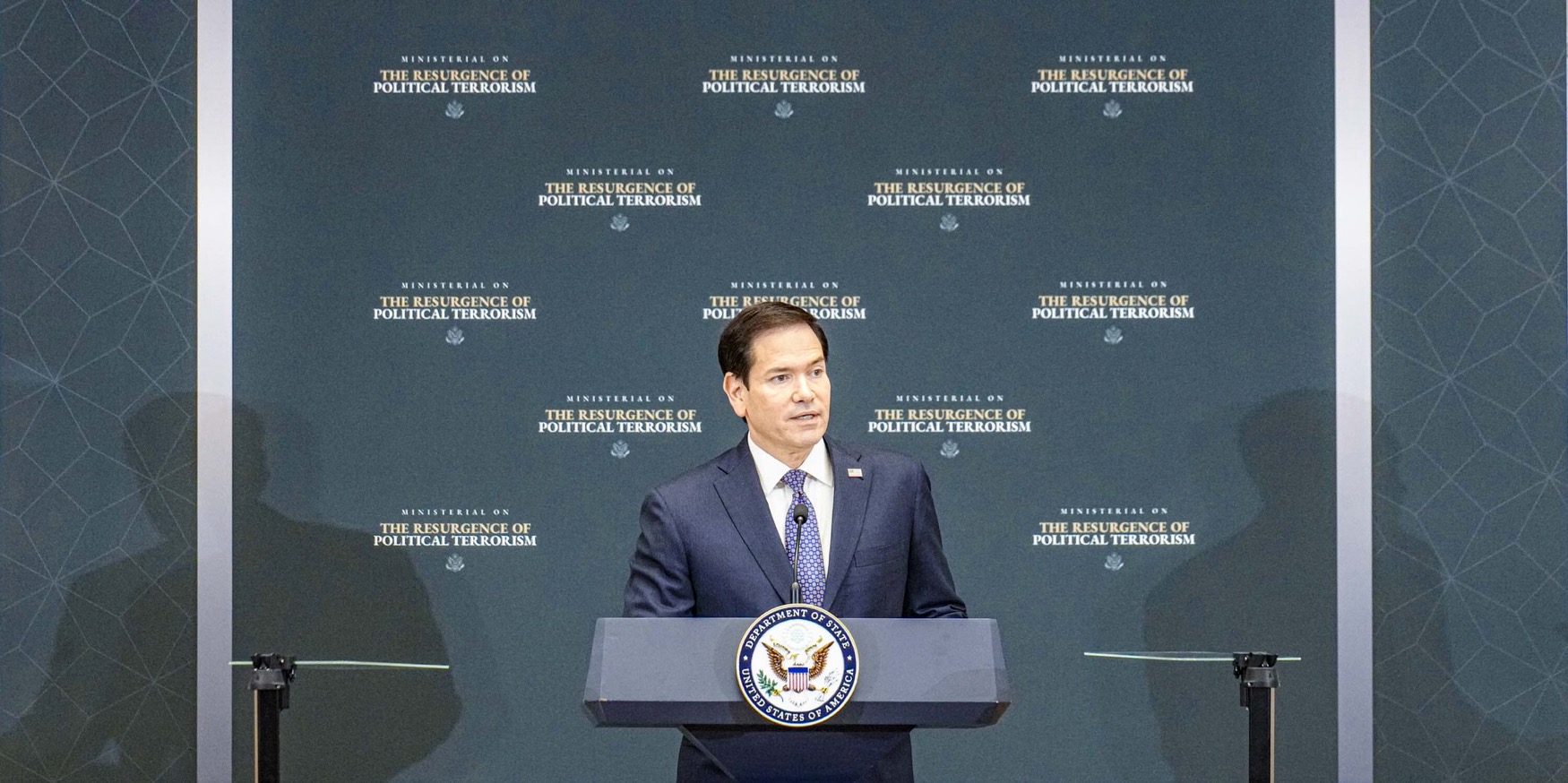
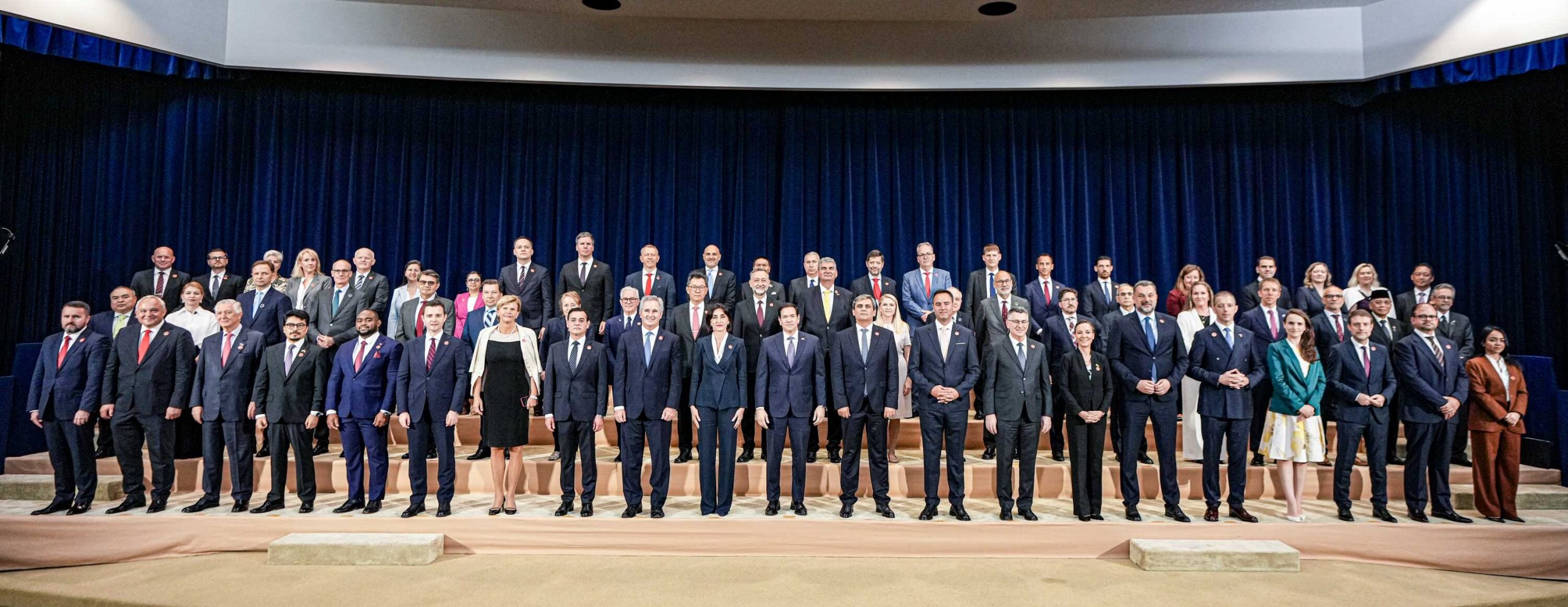
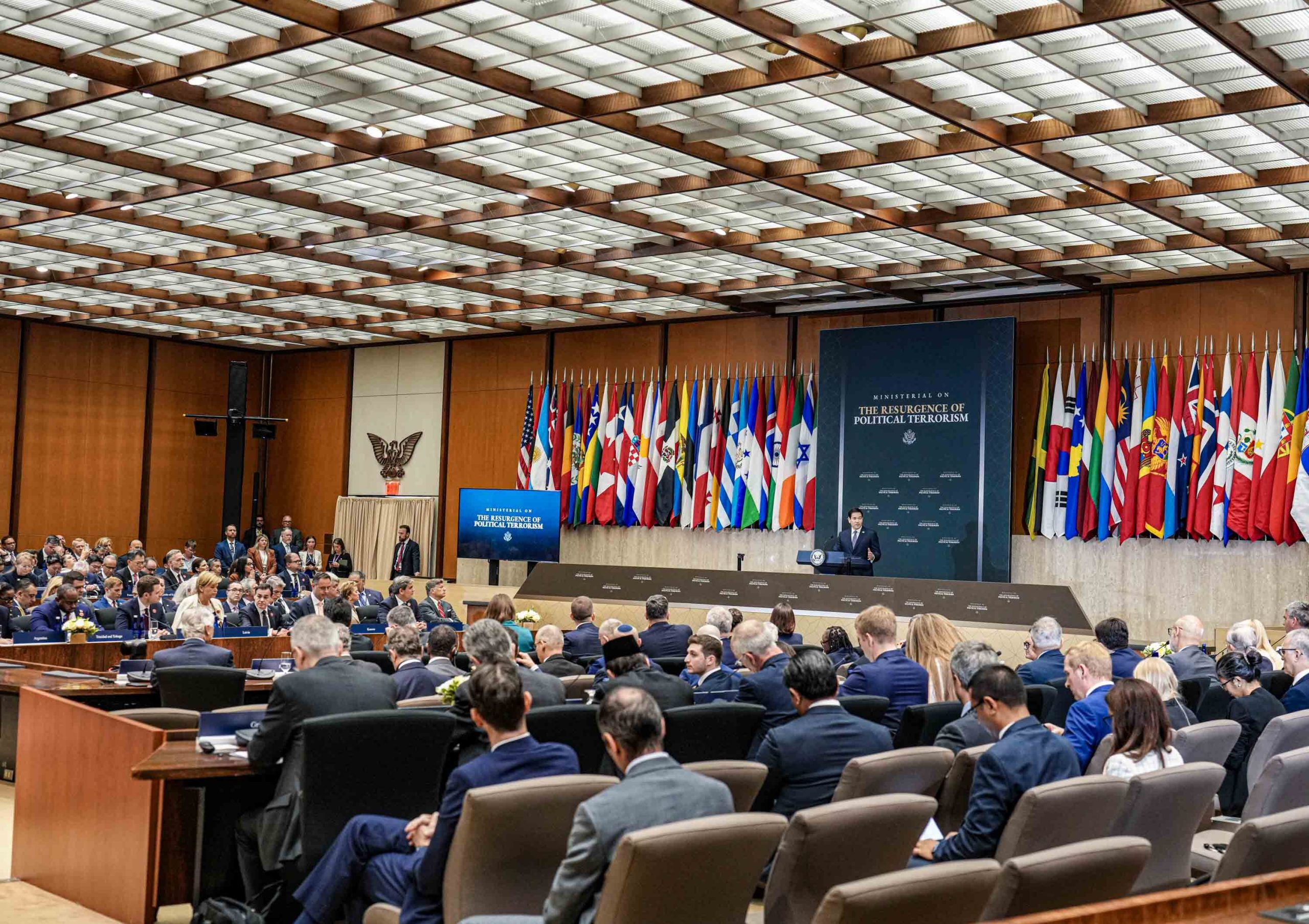
In a defining moment for American foreign policy and the defense of Western civilization, Secretary of State Marco Rubio boldly convened representatives from more than 60 nations in Washington on July 16. The ministerial meeting on the resurgence of political terrorism sent an unambiguous signal: free societies will no longer tolerate the rising tide of violent left-wing extremism as a peripheral concern. It must be treated as a core threat to global stability, democratic governance, and the very foundations of ordered liberty. Rubio’s address was clear, forceful, and rooted in uncomfortable truths that previous administrations had too often ignored or downplayed for political expediency.
Rubio opened by reminding the assembled diplomats, law enforcement experts, and political leaders of history’s hard le

The Secretary emphasized that jihadist threats, while still present, have been dramatically reduced through years of focused international cooperation. The real blind spot now lies in politically motivated violence from the radical left. In the United States, left-wing actors have accounted for a surging share of anti-government attacks and plots—reaching levels not seen in decades. They bear responsibility for the majority of such incidents and related fatalities in recent years. Similar patterns have emerged in Europe, with far-left violence spiking dramatically in countries like Germany. These are not isolated outbursts but part of transnational networks that coordinate tactics, share resources, fund operations, and exploit legal loopholes in open societies. From coordinated riots that overwhelm police to targeted attacks on infrastructure and political figures, the pattern reveals a deliberate strategy to erode public confidence and destabilize governments.
Rubio’s leadership at this summit reflects the Trump administration’s broader strategic pivot. Early in the term, the White House released a counterterrorism strategy that explicitly prioritizes neutralizing violent secular political groups, including anarchist and far-left networks. The approach is comprehensive: mapping memberships and financing streams, severing international ties, disrupting operations through enhanced law enforcement and intelligence cooperation, and updating outdated frameworks that once focused almost exclusively on other threats. New visa restriction policies target members and supporters of far-left terrorist groups. Commitments to deeper intelligence sharing and joint operational workshops will build lasting capacity among allies.

This is proactive statesmanship at its best. Rather than reacting to tragedies after they occur—the assassination of prominent conservative voices, sustained campaigns against law enforcement, economic sabotage disguised as activism, or the harassment of ordinary citizens—the administration is building alliances to prevent them. Rubio spoke of dismantling these networks “brick by brick,” rejecting the notion that political terrorism can be excused or minimized based on its ideological source. He framed the challenge as existential: those who despise the West do so precisely because its success in liberty, innovation, enterprise, and human flourishing exposes the failures of their own utopian visions.
The implications extend far beyond diplomacy. By exposing holdouts and reinforcing that only committed nations will safeguard sovereignty, the United States is reasserting moral clarity in international affairs. Sovereignty means the right and duty of governments to protect their citizens from internal subversion as much as external aggression. Security demands vigilance against all forms of terrorism, not just those convenient to acknowledge. Western civilization—with its emphasis on individual rights, limited government, free markets, cultural inheritance, and the rule of law—faces an internal assault that external alliances must help repel.
Secretary Rubio’s convening stands as a watershed event. It demonstrates that under President Trump, America is once again leading with strength, realism, and an unyielding commitment to preserving the blessings of freedom. The old evil of left-wing political terrorism has met a new and formidable response. Nations that join this coalition will help secure a safer, freer future; those that hesitate will watch from the sidelines as history moves forward without them. The defense of civilization requires resolve—and on July 16 in Washington, resolve was on full display.


