




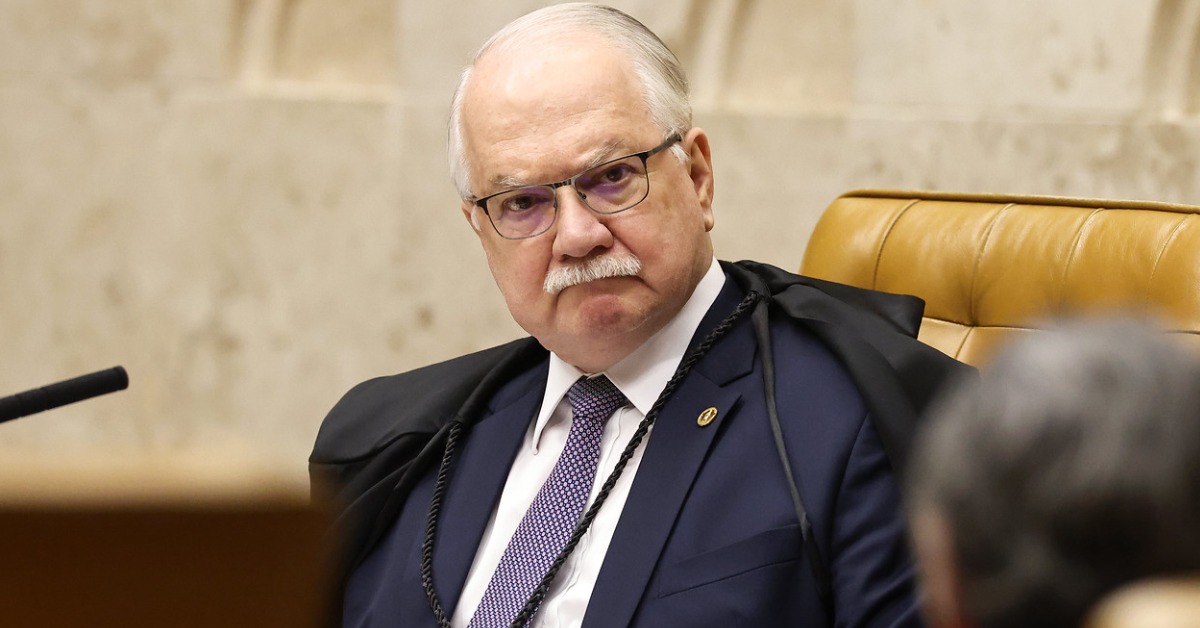
Fachin’s Selective Firmness: Lion with a Desembargador, Kitten with Dino, Moraes, and Gilmar
By Hotspotnews
On October 20, 2026, during a session of Brazil’s National Council of Justice (CNJ), Minister Edson Fachin—president of both the CNJ and the Supreme Federal Court (STF)—displayed a sharp, no-nonsense demeanor toward Federal Desembargador Evandro Reimão dos Reis of the TRF-6. When the magistrate sought to speak during his own administrative disciplinary proceeding, Fachin repeatedly pressed for a narrow “matter of fact,” rejected the argument as an untimely legal thesis, and cut him off: “I did not grant you the floor. And Your Honor is a magistrate and knows you must await the order.”
1The CNJ plenary then unanimously imposed a 120-day penalty of availability with proportional pay. Relatora Kátia Magalhães Arruda’s vote, followed by the full body, cited persistent low productivity, backlog in the judge’s office (thousands of processes awaiting triage or decision, delayed signatures on rulings), and inadequate treatment of colleagues. Some other allegations, including moral harassment of staff and unauthorized residence outside the tribunal seat, were not sustained for lack of sufficient proof; certain airport-related episodes were recognized but found prescribed. Because Reimão dos Reis had already been on precautionary leave since early 2024, the sanction was treated as served, allowing his return.
WATCH THE VIDEO 05dce2c5b1efb71ff19959625e31ca6b3719d481
This episode stands in contrast to the more measured exchanges that occurred weeks earlier in the STF itself. In mid-September 2026 sessions involving investigations linked to the Banco Master case and messages attributed to banker Daniel Vorcaro concerning Justice Alexandre de Moraes, Ministers Flávio Dino and Gilmar Mendes openly questioned Fachin’s handling of relatorship, the propriety of “avocação,” and procedural regularity. Dino raised points of order through the dean and warned against precedents that could open an “avenue of tyranny.” Gilmar read documents and engaged directly. Tensions rose—there were sharp replies, laughter at perceived irony, and procedural sparring—but the record does not show Fachin abruptly denying the floor or imposing the same strict order-maintenance posture he applied to the desembargador under disciplinary review.
Observers drawing a conservative reading of the events note the difference in tone and consequence. Firm procedural control and swift institutional sanction fell on a mid-level federal magistrate facing documented management shortcomings. Greater collegial latitude and restraint appeared when the interlocutors were fellow STF ministers whose cases and conduct have themselves generated public controversy. The pattern invites questions about consistency: whether rules of order, the duty to remain within the scope of a proceeding, and accountability for productivity or conduct are applied with the same rigor regardless of rank.
Brazilian conservatives have long argued that the higher judiciary has sometimes shielded its own while projecting authority outward. The CNJ’s documented findings of backlog and delayed work under Reimão dos Reis supply a concrete basis for discipline; the September STF exchanges supply a concrete basis for comparing how the same presiding minister navigates challenges from peers. Equal application of standards—whether of courtroom order or of institutional self-scrutiny—remains the test of legitimacy. When the lion’s roar is reserved for the lower ranks and the kitten’s silence is offered to the inner circle, public confidence in impartial justice erodes.
Sources: Official CNJ portal reporting on the October 20 session and PAD outcome; contemporaneous coverage by Gazeta do Povo and other Brazilian outlets of both the CNJ hearing and the September STF sessions involving Dino, Gilmar, and Moraes-related matters; public session footage referenced in reporting by Jurinews and others.
#STF #CNJ #Fachin #JustiçaBrasileira #EstadoDeDireito #Accountability #Judiciário #Brasil #Dino #Moraes #GilmarMendes #Desembargador #Disponibilidade #CNJPlenário #ImpunidadeSeletiva #RuleOfLaw #ConservativeBrazil #STFAccountability #JudicialIndependence #CNJ2026


