





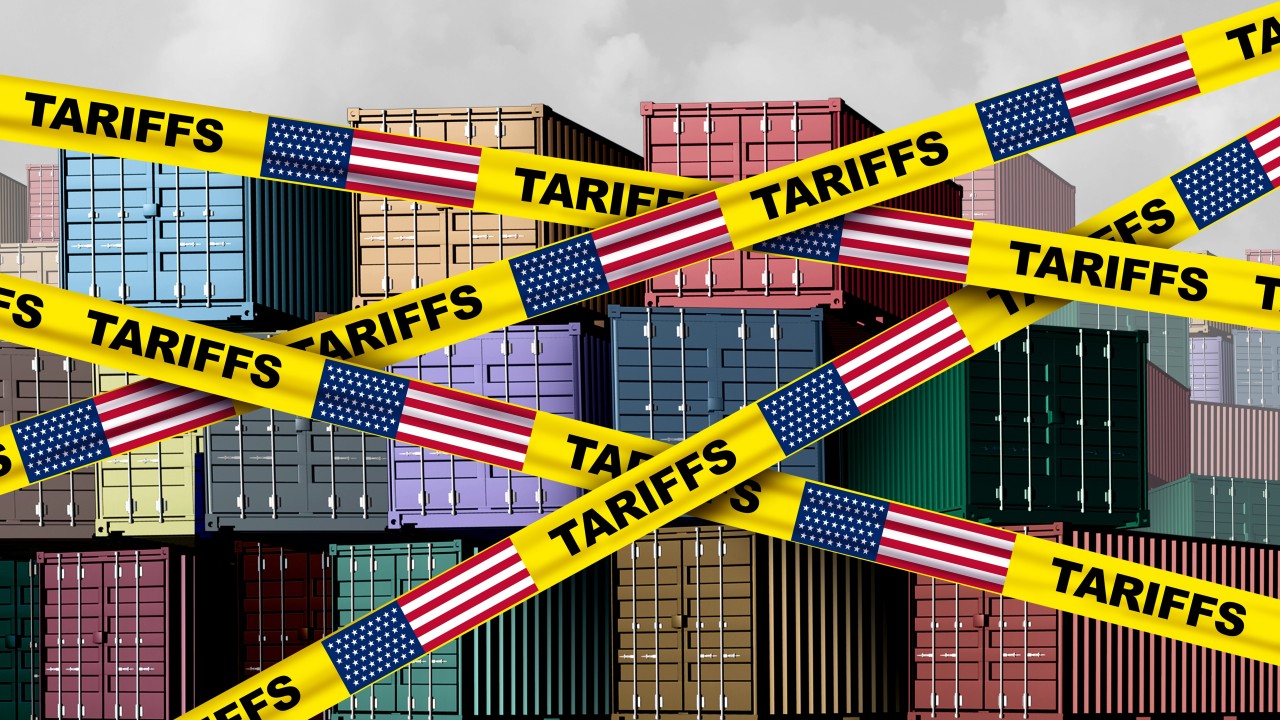
Effects of Tariffs on Brazilian Steelmakers and U.S. Market Access
— U.S. tariff policies, such as the reinstatement of a flat 25% tariff on steel imports announced by President Donald Trump in February 2025, is effective today. Brazil, as one of the largest steel exporters to the U.S. (supplying about 18% of U.S. steel imports), is directly impacted. Here’s how:
1. Increased Costs: The 25% tariff raises the price of Brazilian steel in the U.S. market. For example, if a ton of Brazilian steel previously cost $600 (a rough estimate based on global prices), the tariff adds $150, making it $750. This erodes the price advantage Brazilian steelmakers might have had over U.S. domestic producers or competitors with exemptions (none exist under the new policy).
2. Loss of Competitiveness: U.S. buyers—such as automotive or construction firms—may turn to domestic suppliers or other countries less affected by tariffs (though the “no exemptions” policy limits this). Brazilian firms like CSN, Ternium, and ArcelorMittal, which rely heavily on U.S. exports, could lose market share. Gerdau, with U.S. operations, might offset some losses locally, but its Brazil-based exports still face the hike.
3. Economic Ripple Effects: Steel exports to the U.S. totaled 5.82 million tonnes in 2024, nearly two-thirds of Brazil’s steel exports. A drop in demand could lead to reduced production, layoffs, and economic strain in steel hubs like Rio de Janeiro and Minas Gerais, where the industry employs around 121,000 people directly and indirectly.
Broader Effects of Tariffs in Brazil
Beyond the U.S. steel tariffs, Brazil has its own tariff policies and faces global trade dynamics. Here’s a wider look:
1. Brazil’s Import Tariffs: In 2024, Brazil raised import tariffs on 11 steel products to 25% (from 9-14%) to protect its domestic industry from cheap imports, especially from China. This aimed to reduce idle capacity (mills operated at 60-65% in 2023-2024). While it may bolster local producers, it raises costs for industries like construction and manufacturing that rely on imported steel, potentially increasing consumer prices.
2. Export Vulnerability: Brazil’s economy leans on commodity exports (soy, beef, iron ore, steel). U.S. tariffs, alongside potential retaliation from other nations, threaten this. For instance, if the U.S. trade surplus with Brazil ($6 billion annually) shifts due to tariffs, Brazil might retaliate—President Lula has suggested taxing U.S. products or filing a WTO complaint—escalating trade tensions.
3. Domestic Market Pressure: High import tariffs and a strong U.S. dollar (impacting export competitiveness) strain Brazil’s internal economy. Posts on X from early 2025 highlight public frustration over rising food prices (e.g., eggs, coffee, rice), partly due to export focus and currency issues, though Lula cut some food tariffs recently to ease this.
Balancing the Narrative
The establishment view often frames tariffs as either protective (for domestic jobs) or disruptive (to global trade). In Brazil’s case, U.S. tariffs hurt steelmakers’ profitability and jobs, while Brazil’s own tariffs aim to shield them but risk downstream inflation. Experts note mixed outcomes: steel tariffs in Trump’s first term cut U.S. imports by 24% and boosted domestic production slightly (2%), yet studies (e.g., 2002 Bush tariffs) show broader job losses in steel-using sectors. Brazil might see a similar trade-off—short-term steel industry relief at the cost of wider economic strain.
What’s Next?
The full impact depends on negotiations. Brazil’s steel association, Aço Brasil, hopes for a resolution, citing the U.S.’s $3 billion steel supply chain surplus with Brazil. If quotas return (as in 2018-Bolsonaro Admin), effects might soften. Without that, Brazilian steelmakers face a tough road, potentially pushing more production domestically or to other markets like Asia, though at lower margins.


