

Brazil’s Brazen Overreach on American Soil: The Reckoning Lula’s Regime Would Face if U.S. Proves Interference
By Hotspotnews
In the unfolding saga of Alexandre Ramagem—the former Brazilian intelligence chief now living as a political asylee in Florida—the stakes just got dramatically higher for Brazil’s leftist government. What began as a routine traffic stop and brief ICE detention has evolved into explosive allegations of unauthorized surveillance by Brazilian authorities on U.S. territory. If the Trump administration’s ongoing State Department review confirms that agents of President Lula da Silva’s regime were spying on Ramagem—tracking his movements, his wife’s activities, or feeding tips that triggered his detention—America will not shrug it off. Conservative principles of national sovereignty demand a firm response, and the consequences for Brazil could be swift, humiliating, and lasting.
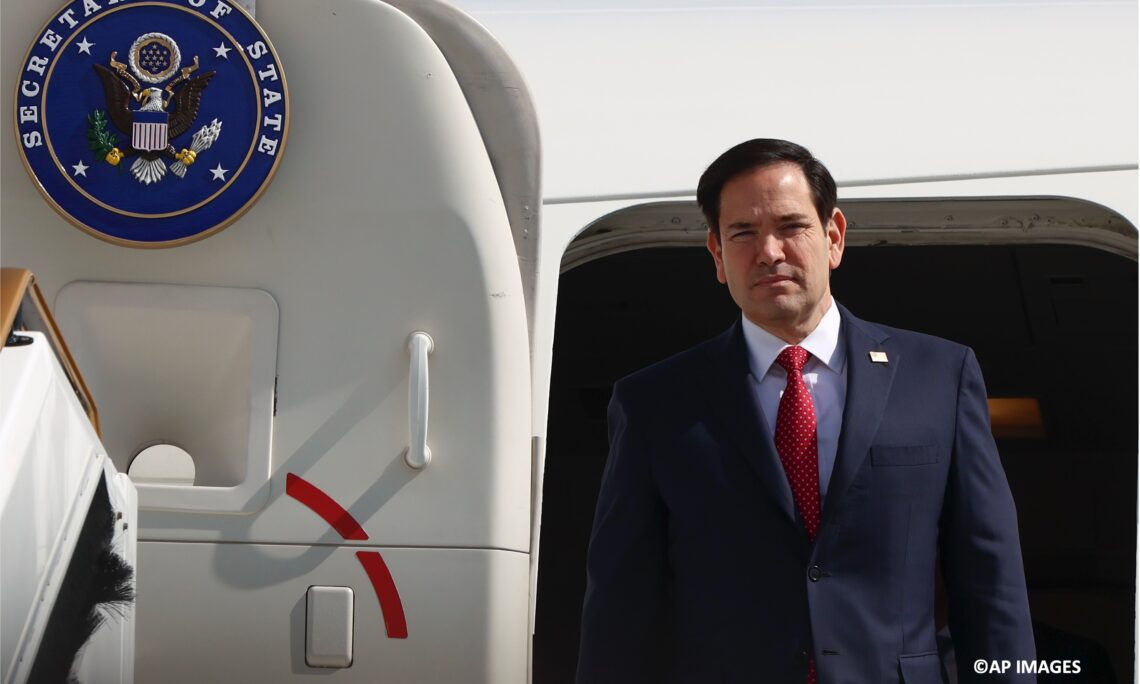
First, expect a formal diplomatic slap. The U.S. State Department, under Secretary Marco Rubio, has already signaled “concerns” over possible irregular monitoring. Proven interference would trigger an official protest, likely delivered directly to Brazil’s ambassador in Washington. This isn’t some minor paperwork dispute—it’s a direct challenge to American sovereignty, the kind the left loves to decry when Russia or China does it but conveniently ignores when socialist allies are involved. Rubio, a staunch defender of rule-of-law principles, would frame it exactly as it is: an arrogant attempt by a foreign government to export its political witch hunts onto U.S. soil.
Personnel fallout would follow quickly. Brazilian Federal Police liaison officers stationed in Miami or Washington—widely suspected of feeding the initial tip that led to Ramagem’s ICE encounter—could be declared persona non grata and expelled. This is standard procedure when allies forget their place. It happened with Russian and Chinese operatives; it would happen here. Brazil’s vaunted “international police cooperation” would be exposed as one-sided meddling, eroding trust in joint operations and forcing Lula’s team to scramble for new channels.
Cooperation between the two nations would cool dramatically. The long-standing U.S.-Brazil extradition treaty, already strained by the politicized nature of Ramagem’s in-absentia conviction, would face real pressure. Intelligence sharing, counter-narcotics efforts, and law enforcement coordination could be scaled back or frozen pending a full review. For a Brazilian economy already wrestling with inflation and investor flight, this diplomatic chill would sting—especially as American businesses and conservatives increasingly view Lula’s government as hostile to free speech and due process.
Most importantly for Ramagem, solid proof of Brazilian spying would turbocharge his pending political asylum claim. U.S. immigration authorities already granted him provisional stay after the ICE episode; documented transnational repression would make denial almost impossible. It would be textbook evidence of persecution extending beyond Brazil’s borders—the very definition of why America offers refuge to those fleeing authoritarian overreach. Ramagem’s allies, including Eduardo Bolsonaro, have rightly highlighted this as a pattern under Supreme Court Justice Alexandre de Moraes and the STF: using intelligence assets to hunt down opponents abroad. A confirmed case would hand the Trump administration a powerful narrative: Brazil’s judicial leftists aren’t just jailing dissenters at home—they’re trying to drag America into their vendetta.
Politically, the blowback would be devastating for Lula. House Republicans and conservative media would amplify the story as Exhibit A in the broader fight against globalist judicial activism. Rubio and the White House could impose targeted visa sanctions on involved officials, much like past measures against corrupt foreign actors. It would further isolate Brazil on the world stage, painting Lula’s administration as the outlier—not the defender of democracy it claims to be—while bolstering U.S. support for genuine democrats like Jair Bolsonaro’s circle.
In the end, this episode tests whether America still means what it says about sovereignty and liberty. Conservatives have long warned that unchecked leftist regimes export their chaos. If the evidence confirms Brazilian interference in Florida, the response must be unapologetic: expel the spies, shield the asylee, and send a clear message that American soil is not a hunting ground for foreign political grudges. Lula’s government chose this confrontation. Now it would have to live with the consequences.