




Brazil’s Foreign Minister Embarrasses the Nation by Fearing American Resolve Against Terrorist Cartels
By Hotspotnews
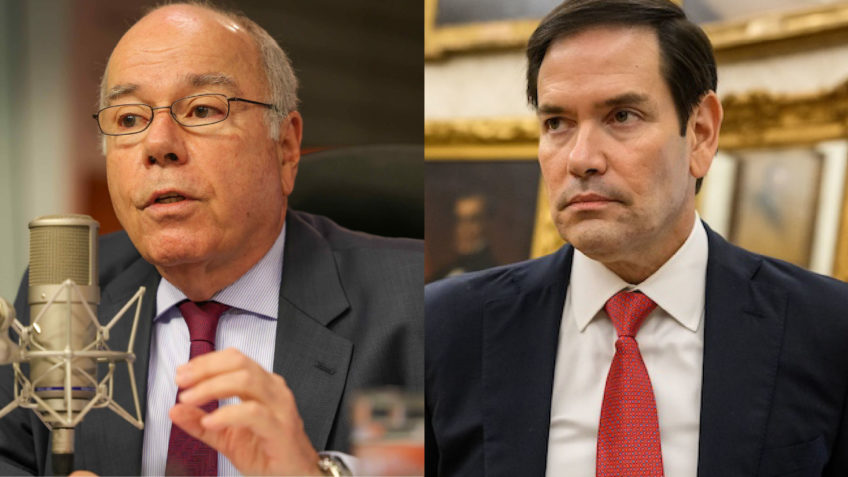
In a stunning display of diplomatic weakness, Brazil’s Foreign Minister Mauro Vieira has once again exposed the Lula administration’s reluctance to confront the violent criminal organizations ravaging the country. Vieira warned that the United States’ decision to designate notorious factions like the Primeiro Comando da Capital (PCC) and Comando Vermelho (CV) as terrorist organizations could invite American military intervention on Brazilian soil. This alarmist rhetoric does little to address the real crisis: unchecked narco-terrorism that has turned Brazilian cities into battlegrounds and threatens regional stability.
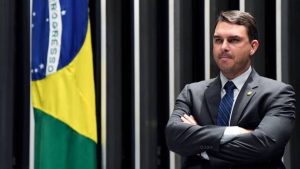
Deputy Marcel van Hattem rightly called out this reckless statement, highlighting how it shames Brazil’s storied diplomatic corps and reveals a government more focused on ideological posturing than on protecting its citizens. By framing a straightforward counter-terrorism measure as a threat to sovereignty, Vieira and his colleagues betray a deep-seated discomfort with decisive action against enemies who traffic in death, extortion, and chaos. These groups are not mere street gangs—they operate as sophisticated criminal enterprises with international reach, funding violence that spills across borders and claims thousands of innocent lives every year.
The Trump administration’s move to label these factions as terrorists reflects a clear-eyed recognition of reality. These organizations export drugs, corruption, and bloodshed far beyond Brazil’s frontiers, endangering American communities as well. Designating them appropriately equips law enforcement and intelligence agencies with the tools needed to disrupt their finances, leadership, and operations. Far from plotting invasion, the United States is exercising its sovereign right to defend its people from transnational threats—the same right every responsible nation should uphold without apology.
Yet the Brazilian left clings to outdated narratives of anti-American grievance, preferring symbolic sovereignty lectures over concrete results. Under Lula, organized crime has flourished while law-abiding Brazilians suffer. Prisons overflow with faction members who continue directing operations from behind bars, and border regions remain porous gateways for weapons and narcotics. Instead of partnering with allies to dismantle these networks, the government warns of phantom Yankee boots on the ground. This approach not only emboldens criminals but erodes public trust in institutions already strained by years of ideological governance.
Brazil deserves leadership that prioritizes national security over globalist sensitivities. Classifying these factions as the terrorists they are is not provocation—it is basic self-preservation. Citizens across the political spectrum are weary of excuses and demand firmness: stronger borders, harsher penalties, and international cooperation rooted in mutual respect rather than fear. Van Hattem’s critique resonates because it speaks to a growing consensus that ideology must yield to results. Brazil’s future hinges on rejecting the narrative of helplessness and embracing the resolve needed to reclaim streets, restore order, and stand as a strong sovereign nation among equals. The time for half-measures and diplomatic hand-wringing is over.


