



Brazil’s Master Scandal Exposes the Rot at the Heart of Lula’s Regime and Institutional Capture
By Hotspotnews
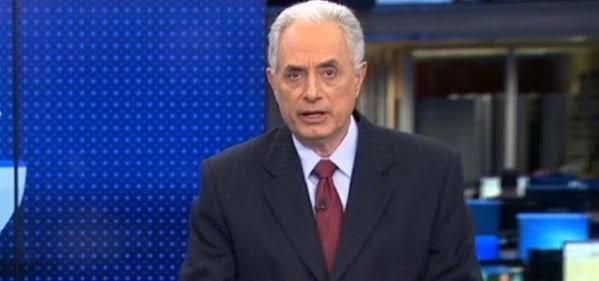
In a rare moment of clarity on Brazilian television, veteran journalist William Waack cut through the noise on CNN Brasil, declaring what many Brazilians have long suspected: the Caso Master is not a partisan hit job or a rerun of Lava Jato hysteria. It is a sprawling web of suspicions that ensnares the ruling PT party, key government figures, opposition players, and — most alarmingly — the very institutions meant to uphold the rule of law, including the Supreme Federal Court (STF).
Waack’s analysis highlights how the collapse of Banco Master has united PT insiders and opposition figures in a “network of suspicions.” This isn’t about isolated bad actors. It is systemic: alleged massive irregularities, money laundering, favoritism, and the purchase of political influence at the highest levels.
PT’s Favorite Son Under the Microscope
The latest bombshell — yesterday’s 9th phase of Operação Compliance Zero — targets none other than Senator Jaques Wagner (PT-BA), President Lula’s government leader in the Senate and one of the PT’s most powerful operators.
Federal Police executed search warrants across Bahia, São Paulo, and Brasília. Investigators suspect Senator JacquesWagner, received luxury perks in exchange for advancing the bank’s interests in Congress: a high-end apartment in Salvador valued at around R$2.45 million, cash flows of up to R$3.5 million to a family member’s company, and other benefits linked to banker Augusto Lima.
Wagner, a historic PT figure and close Lula ally, denies wrongdoing. Yet the timing and details paint a familiar picture of influence peddling that plagued previous PT administrations.
This comes as no surprise to conservatives who watched the PT’s return to power under Lula. Promises of “ethics” and “anti-corruption” were always hollow. The Master case reveals how quickly the machinery of state capture reactivates: friendly bankers, political protection, and institutional shielding.
STF’s Troubling Role: Secrecy, Conflicts, and Division
Waack rightly points to the deeper crisis — not mere repetition of past scandals, but the STF’s own entanglement. Minister Dias Toffoli initially oversaw parts of the case amid reports of private interactions and family ties. The court has imposed layers of secrecy, selective decisions, and procedural maneuvers that fuel public distrust. Even after Toffoli stepped aside, with Minister André Mendonça now handling key aspects, divisions and questions about impartiality remain.
When the highest court appears compromised — whether through family ties, opaque rulings, or selective secrecy — the foundation of Brazilian democracy cracks. Conservatives have warned for years about the STF’s overreach, its weaponization against political opponents, and its insulation from accountability. The Master scandal validates those concerns.
Waack notes the “joy” for the opposition, including figures previously linked to the bank. True conservatives reject cronyism wherever it appears — no sacred cows. Yet context matters. The PT controls the executive, dominates key appointments, and benefits from a judiciary often accused of ideological bias. Opposition links warrant investigation, but they do not equate to the systemic enabling seen under Lula’s watch: Central Bank liquidation of the bank, congressional maneuvering, and STF handling that reeks of damage control.
This scandal echoes the Mensalão and Petrolão eras — PT governance defined by alliances with dubious financiers and institutional complicity. Billions in fraud threaten depositors, taxpayers, and public trust. While the left screams “coup” at every probe, the facts pile up: a bank that thrived under political cover before imploding.
Time for Real Accountability, Not More Secrecy
Brazil cannot afford another era of impunity. The Master case demands:
• Full transparency from the STF — no more selective secrecy.
• Aggressive pursuit of all leads, regardless of party.
• Reforms to prevent politicians from peddling influence over financial institutions.
• An end to the revolving door between government, courts, and regulated entities.
Waack’s broadcast serves as a wake-up call. The “network of suspicions” stretches from Planalto to the Supreme Court. For too long, Brazilians have endured lectures on democracy from those who treat institutions as personal fiefdoms. The right must demand justice without fear or favor, exposing how power corrupts absolutely — especially when concentrated in the hands of the same old PT machine.
The (fundo do poço) bottom of the well, hasn’t been reached yet. But daylight is the best disinfectant. If this scandal forces genuine cleaning of Brazil’s political and judicial stables, some good may yet emerge from the Master mess. Anything less perpetuates the cycle of elite impunity that conservatives have fought to break.


