





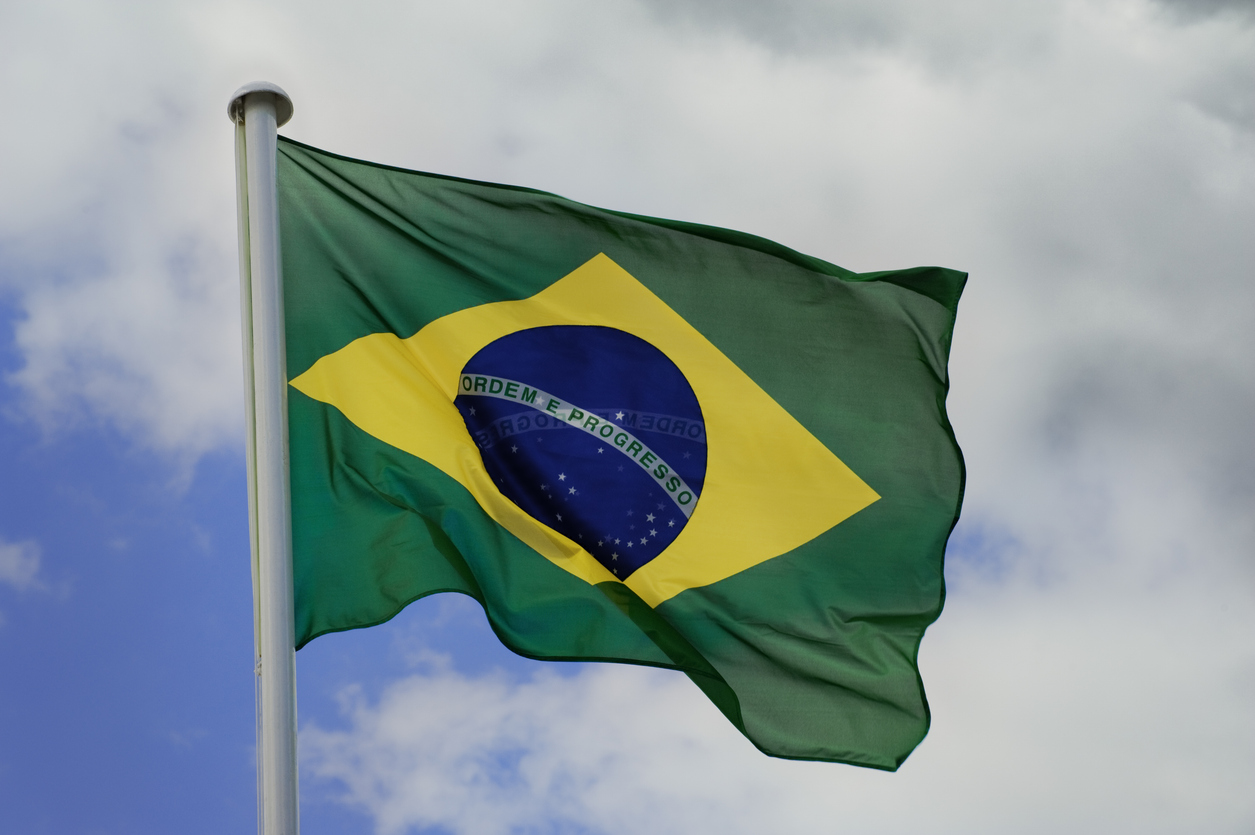
Brazil’s Shameful Surrender to Corruption: OECD Exposes Total Failure in Fighting Foreign Bribery
In a devastating indictment of Brazil’s entrenched culture of impunity, the **Organisation for Economic Co-operation and Development (OECD)** — a respected international forum of 38 leading market-based democracies dedicated to promoting sound economic policies, transparency, and good governance — has delivered a scathing Phase 4 Follow-Up Report through its **Working Group on Bribery**. The report, adopted on March 31, 2026, lays bare the harsh truth: Brazil has fully implemented just a handful of the critical recommendations issued in its 2023 Phase 4 evaluation, while ignoring or only partially addressing the vast majority. This is not mere bureaucratic foot-dragging — it is a deliberate, systemic betrayal of the rule of law that protects crooked politicians, compromised judges, and bribe-paying corporations at the expense of honest citizens and global integrity.
The numbers tell a story of shocking neglect. Out of the dozens of targeted reforms demanded by the OECD Working Group on Bribery to combat foreign bribery under the OECD Anti-Bribery Convention, Brazil has made meaningful progress on only a tiny fraction. The rest? Ignored or given token, half-hearted gestures that fool no one. This comes after years of promises following the explosive Operation Car Wash (Lava Jato) investigations, which once promised to drain the swamp of Latin America’s largest corruption scandal. Instead, under left-wing political dominance and activist courts, Brazil has watched its anti-corruption gains evaporate.
At the heart of this atrocity lies the Brazilian Supreme Federal Court (STF), which has repeatedly acted as a shield for the corrupt elite. A pivotal 2023 ruling by an STF justice gutted evidence from the landmark Odebrecht (now Novonor) leniency agreement — the very deal that exposed hundreds of millions in bribes paid to politicians and officials across Brazil and abroad. This single decision triggered a cascade of annulments, blocked international evidence sharing, and opened the door to renegotiating massive fines. Billions in recovered assets and accountability? Poof — undermined or reversed. The OECD rightly flags this as a severe blow to effective enforcement, corporate liability, and mutual legal assistance.
Compounding the outrage, Brazil has failed to strengthen basic tools against bribery. Whistleblower protections in foreign bribery cases remain dangerously weak, leaving courageous insiders exposed to retaliation while the powerful sleep soundly. Corporate liability for money laundering tied to foreign bribes is insufficient, allowing companies to treat fines as just another cost of doing “business as usual” in the crony capitalist playground that Brazil has become. Detection and prosecution of foreign bribery cases? Barely moving forward, with sophisticated schemes involving complex laundering going largely unchecked.
This is the same Brazil that once hailed Lava Jato as a model for the world, uncovering a vast web of kickbacks involving Petrobras, construction giants, and politicians — including those tied to the Workers’ Party (PT) machine that has long dominated Brazilian politics. Yet under the current leftist administration and a Supreme Court packed with ideological allies, the apparatus of justice has been weaponized not against corruption, but against those who dare to fight it. Convictions are overturned on technicalities, evidence is tossed, and leniency deals are renegotiated to favor the guilty. It’s a masterclass in how socialist-leaning governments and activist judiciaries collude to protect their own.
Conservatives have long warned that without strong, independent institutions rooted in individual accountability, free markets, and limited government, corruption becomes the lifeblood of the state. Brazil proves the point in spades. When courts prioritize “social justice” narratives or political loyalty over impartial law, the result is predictable: the connected few enrich themselves while the working class suffers inflation, crime, and economic stagnation fueled by graft. Foreign investors take note — and flee to nations that actually punish bribery rather than coddle it.
The OECD report should be a wake-up call, but don’t hold your breath for real reform in Brasília. The entrenched interests — politicians, judges, and their corporate enablers — benefit too much from the status quo. True change demands conservative principles: transparent government, robust corporate accountability without selective enforcement, protection for real whistleblowers, and a judiciary focused on justice, not ideology. Until Brazil rejects the politics of patronage and embraces the rule of law without favoritism, it will remain an international embarrassment, fully exposed by this latest OECD bombshell from the Working Group on Bribery.
The Brazilian people deserve better than this revolving door of scandals and impunity. The world is watching — and the verdict is clear: Brazil’s anti-bribery efforts are a catastrophic failure. Enough is enough.


