



Brazil’s Football Crisis: CBF Leadership Battle Threatens 2026 World Cup Hopes

By Hotspotorlando News
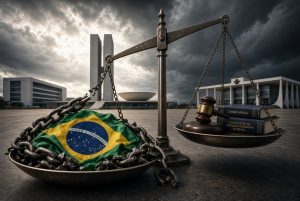
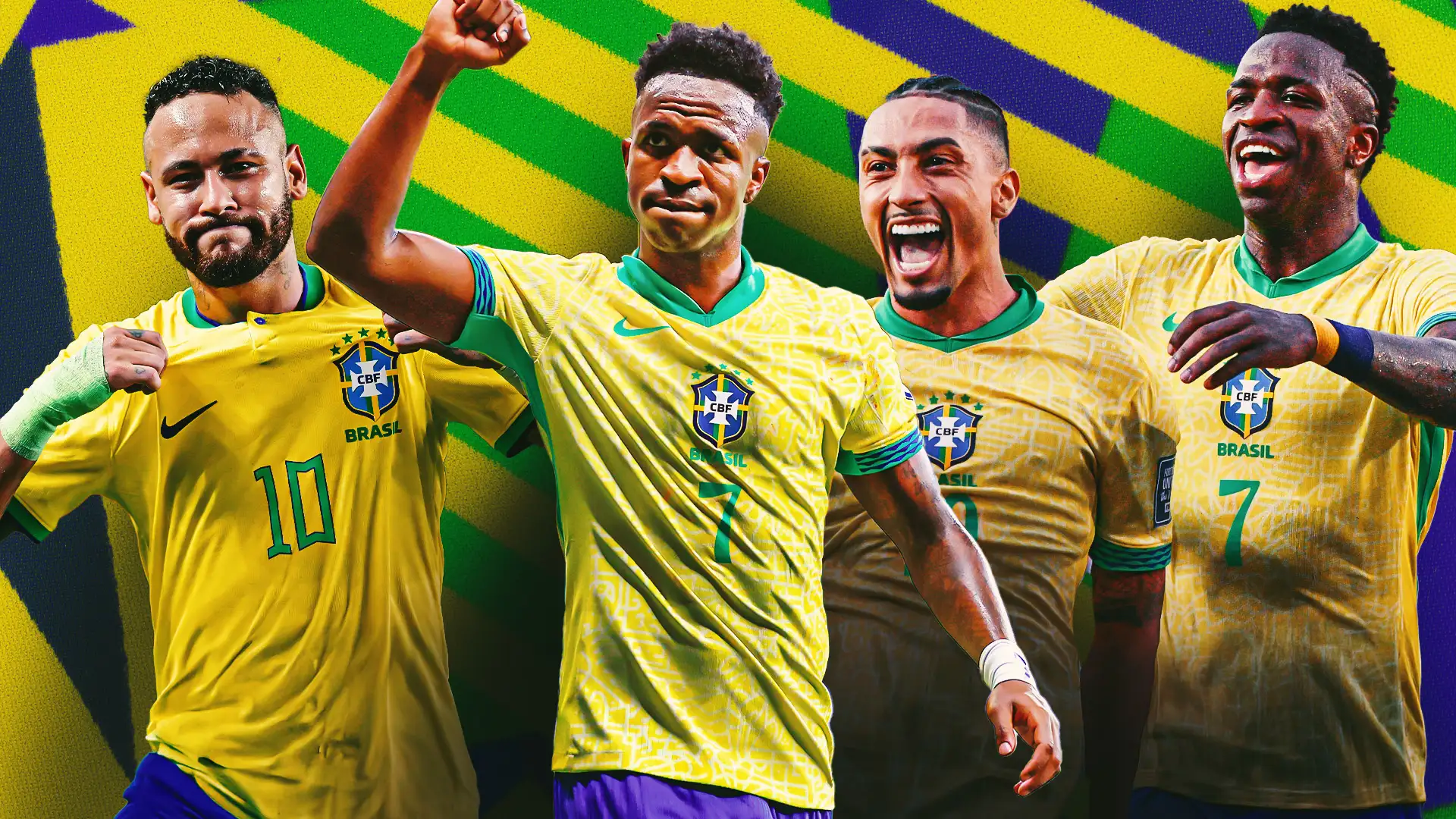
In a dramatic twist that could rival any soap opera, Brazilian football finds itself embroiled in a high-stakes leadership crisis that threatens its participation in the 2026 World Cup. At the heart of the turmoil is Ednaldo Rodrigues, the ousted president of the Brazilian Football Confederation (CBF), who is fighting to reclaim his position through an appeal to Brazil’s Supreme Court. The saga, marked by legal battles, allegations of fraud, and the shadow of FIFA sanctions, has cast a cloud over the Seleção’s preparations, with newly appointed manager Carlo Ancelotti caught in the crossfire.
A Courtroom Coup
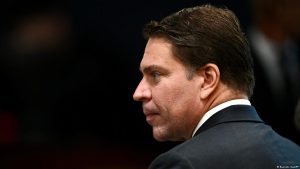
On May 15, 2025, a Rio de Janeiro court delivered a bombshell ruling, removing Rodrigues from his role as CBF president. The decision, issued by Judge Gabriel de Oliveira Zefiro, stemmed from allegations that a January 2025 agreement—signed by former CBF vice-president Antonio Carlos Nunes de Lima—was tainted by a falsified signature. This agreement had solidified Rodrigues’ leadership, but the court declared it null, ousting the entire CBF board and appointing vice-president Fernando Sarney as interim president to organize new elections.
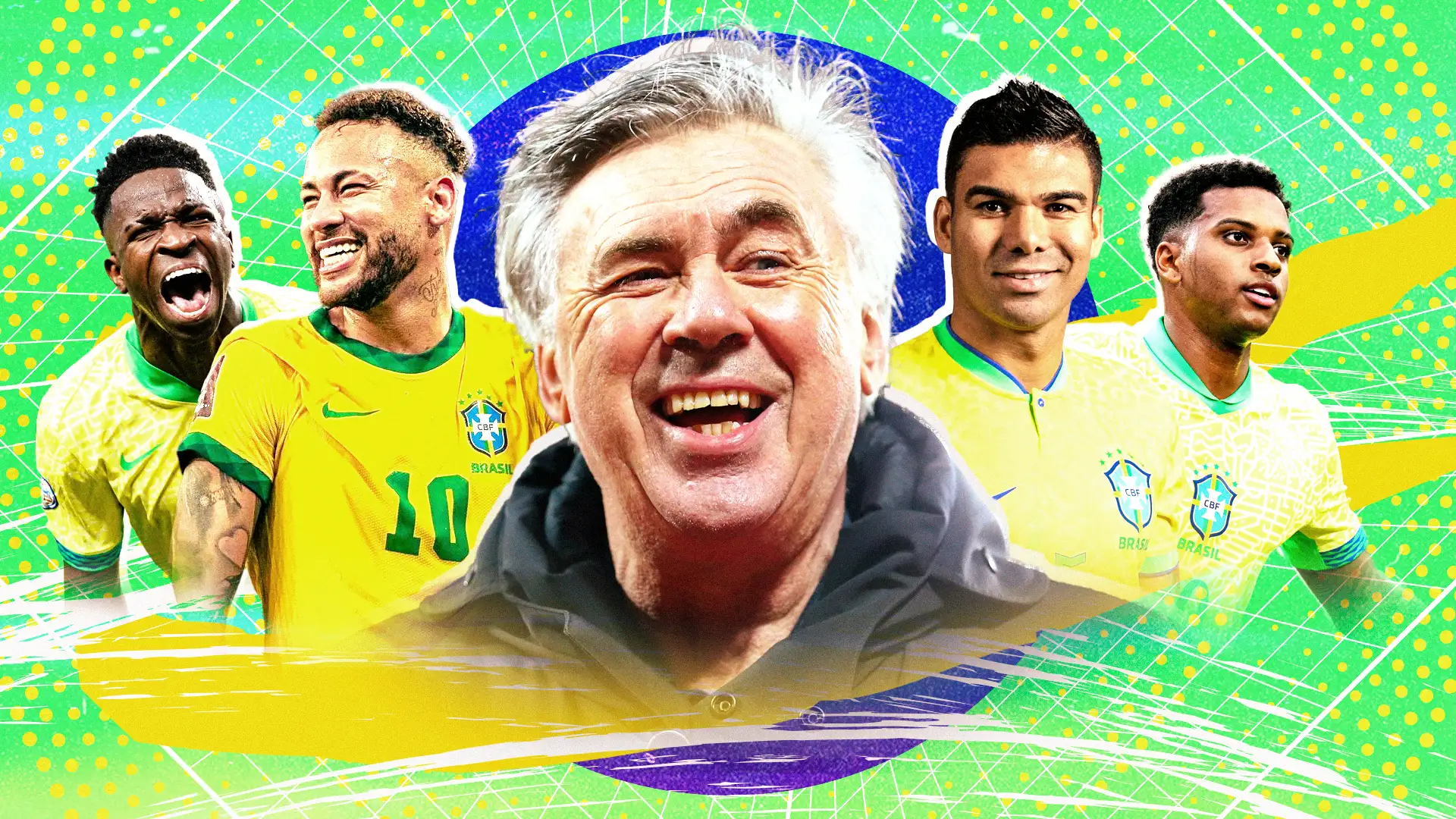
The timing of the ruling was particularly striking. Just days earlier, Rodrigues had announced the appointment of Carlo Ancelotti, the celebrated Real Madrid manager, as the new head coach of the Brazilian national team. The move was seen as a bold step to revive Brazil’s fortunes after a lackluster qualifying campaign for the 2026 World Cup, where they currently languish in sixth place in South America. However, reports suggest Rodrigues rushed the announcement to preempt his legal hearing, possibly without securing Real Madrid’s full approval, adding further intrigue to the saga.
Rodrigues’ Fight for Reinstatement
Unwilling to relinquish control, Rodrigues has turned to Brazil’s Supreme Court, urging justices to reinstate him. This is not the first time he has taken this route. In January 2024, a similar court-ordered removal was overturned by Justice Gilmar Mendes, who cited the risk of FIFA and CONMEBOL sanctions due to third-party interference in football governance. That precedent gives Rodrigues hope, but the stakes are higher now, with the 2026 World Cup looming and Brazil’s qualification far from assured.
Rodrigues’ appeal hinges on convincing the court that the Rio ruling constitutes undue external interference, a violation of FIFA’s strict regulations. The global governing body has a history of suspending national federations for such breaches, as seen with Kenya and Zimbabwe in recent years. A prolonged legal battle or a failure to resolve the CBF’s leadership crisis could trigger sanctions, potentially barring Brazil—a five-time World Cup champion—from the 2026 tournament hosted by the United States, Mexico, and Canada.
Ancelotti’s Precarious Position
The leadership dispute has also placed Carlo Ancelotti in an unenviable position. His appointment, a cornerstone of Rodrigues’ vision for the national team, now hangs in the balance. If new elections install a different CBF president, Ancelotti’s role could be reconsidered, especially if the incoming leadership favors a different direction. Moreover, the uncertainty surrounding Brazil’s World Cup eligibility adds pressure to an already challenging transition for the Italian tactician, who has yet to manage a match for the Seleção.
Ancelotti’s appointment was meant to signal ambition, leveraging his track record of success at clubs like Real Madrid, AC Milan, and Bayern Munich. However, the administrative chaos threatens to undermine his preparations, with the national team already grappling with inconsistent performances on the pitch.
FIFA’s Looming Shadow
The specter of FIFA sanctions looms large over this crisis. The organization has made it clear that it will not tolerate external interference in its member federations. In 2024, FIFA and CONMEBOL’s warnings were instrumental in securing Rodrigues’ reinstatement, as they emphasized the risk of Brazil’s suspension from international competitions. Similar concerns are resurfacing now, with posts on X and media reports amplifying fears of a “World Cup expulsion” if the situation remains unresolved.
Brazil’s absence from the 2026 World Cup would be a seismic blow to global football, given the nation’s storied history and passionate fanbase. It would also disrupt the South American qualifying process, where Brazil remains a key contender despite recent struggles.
What’s Next?
As of May 19, 2025, the Supreme Court has yet to rule on Rodrigues’ appeal, leaving Brazilian football in limbo. The outcome will depend on whether the court views the Rio ruling as a legitimate judicial process or an overreach that violates FIFA’s autonomy principles. In the meantime, Fernando Sarney’s interim presidency and the prospect of new elections add further uncertainty to the CBF’s future.
For fans, the crisis is a frustrating distraction from the goal of reclaiming World Cup glory. The national team, already under pressure to improve its qualifying performance, now faces the added burden of administrative instability. Ancelotti, Rodrigues, and the CBF’s leadership must navigate this storm if Brazil is to avoid a catastrophic exclusion from the global stage.
The saga is far from over, and its resolution will shape the future of Brazilian football. For now, all eyes are on the Supreme Court—and FIFA—as the clock ticks toward the 2026 World Cup. Stay tuned to reputable sports outlets or follow real-time discussions on X for the latest developments in this unfolding drama.
*Word count: 350*


