


Disney’s Triumphant Return to Sanity: How Josh D’Amaro Is Finally Restoring the Magic by Rejecting Woke Nonsense
By Hotspotnews
For years, conservatives have watched in dismay as one of America’s most iconic companies, The Walt Disney Company, seemed determined to trade its timeless family magic for the latest fads of progressive ideology. Gender-neutral park greetings replaced the warm, traditional “ladies and gentlemen, boys and girls.” Content pushed divisive social agendas over wholesome storytelling. Streaming services hemorrhaged cash on woke flops while attendance at the parks stagnated and loyal fans felt increasingly alienated. It was a betrayal of everything Walt Disney stood for—a company built on optimism, adventure, and shared American values. But now, under the steady hand of new CEO Josh D’Amaro, Disney is undergoing a long-overdue course correction. The changes aren’t flashy press releases or virtue-signaling campaigns; they’re quiet, decisive actions that signal a return to common sense, profitability, and the kind of entertainment that unites families rather than divides them. This is the Disney renaissance conservatives have been waiting for.
It all started with a simple, powerful gesture that spoke volumes. In April 2026, just weeks after D’Amaro took the helm on March 18, the Magic Kingdom Monorail announcements quietly reinstated the classic greeting: “Ladies and gentlemen, boys and girls.” No fanfare, no corporate apology tour—just a return to the language that had welcomed generations of guests for decades. For years, Disney had ditched these time-honored words in favor of bland, neutered phrases like “dreamers of all ages” to appease a vocal minority obsessed with erasing biological reality and traditional norms. The result? A sense that the parks had lost their soul, prioritizing political correctness over the joyful innocence that makes Disney special. Families noticed. Attendance dipped in key periods, and online forums buzzed with frustration from parents who just wanted to enjoy a day of wholesome fun without feeling lectured. D’Amaro’s quiet reversal wasn’t about scoring political points; it was about listening to the vast majority of guests who simply want to celebrate the natural differences between men and women, boys and girls, in a spirit of celebration rather than erasure. It’s a small but symbolic win for sanity in a culture gone mad with gender confusion.
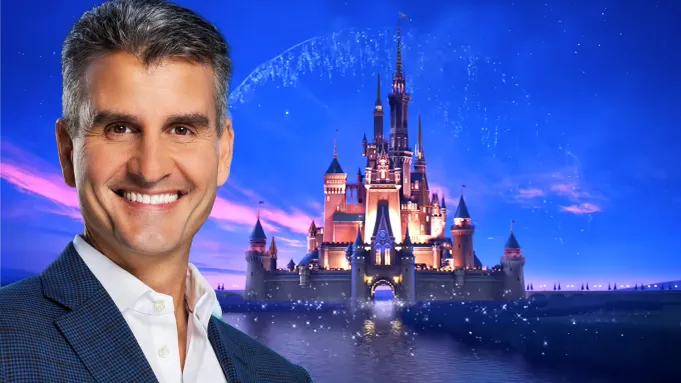
This change didn’t happen in a vacuum. D’Amaro, a 28-year Disney veteran who rose through the ranks by actually delivering results, stepped into the CEO role with a clear mandate: refocus the company on what it does best. As the former head of Disney Experiences—the division encompassing the theme parks, resorts, cruises, and consumer products—he had already proven his mettle by driving record revenues of $36 billion and accounting for a staggering 71 percent of the company’s operating income. While Hollywood insiders chased streaming wars and social justice scores, D’Amaro was building immersive worlds that thrilled guests and boosted the bottom line. His leadership of projects like Star Wars: Galaxy’s Edge stands as a masterclass in respecting beloved franchises without injecting modern politics. Those lands aren’t preachy lectures on identity; they’re epic playgrounds of heroism, adventure, and good triumphing over evil—just like the original films that captured the imaginations of millions. Under D’Amaro, Galaxy’s Edge didn’t just open; it expanded Disney’s appeal to fans who crave authentic escapism, not ideological indoctrination.
Now, as CEO, D’Amaro is applying that same no-nonsense approach across the entire empire. One of his first major moves was a streamlined restructuring that included the elimination of approximately 1,000 positions, primarily in bloated marketing, media, and overhead divisions. Far from the heartless corporate villainy portrayed by left-leaning critics, this was a necessary reset after years of unchecked spending on content that flopped with audiences and a bloated bureaucracy that prioritized DEI initiatives over creative excellence. D’Amaro has emphasized “One Disney”—a unified strategy that cuts waste and integrates the company’s divisions around guest experiences and storytelling that resonates. In an era of economic uncertainty and cultural fatigue with endless remakes and agenda-driven entertainment, these layoffs represent fiscal responsibility, not cruelty. They free up resources to invest in what matters: high-quality attractions, family vacations that create lasting memories, and a culture where merit and imagination, not checkboxes, drive success. Conservatives have long argued that businesses thrive when they focus on customers rather than activists, and D’Amaro is proving the point. Early signs show renewed energy, with park enhancements underway and a renewed commitment to profitability that benefits shareholders and fans alike.
Nowhere is D’Amaro’s impact more evident—and more exciting—than in the revitalization of Star Wars, a franchise that had grown stagnant under previous leadership’s mixed signals. As the parks visionary who oversaw Galaxy’s Edge from concept to reality at both Disneyland and Walt Disney World, D’Amaro understands what makes the saga endure: timeless themes of courage, redemption, and the battle between light and dark. No lectures on modern politics—just pure, exhilarating adventure. Under his watch, Disney is addressing longstanding guest feedback with smart, fan-focused updates. The Millennium Falcon: Smugglers Run ride, long praised for its innovative cockpit experience but critiqued for lacking emotional depth, is getting a fresh Mandalorian & Grogu overlay debuting in May 2026. This isn’t a cynical cash grab; it’s a heartfelt nod to the characters that have reignited passion for the franchise among new and old fans alike. It deepens the immersion, turning a good ride into a beloved one by leaning into the heart of Star Wars storytelling.
This Star Wars push extends beyond the parks. With no major theatrical releases in over six years, the franchise had been adrift in a sea of spin-offs and series that often felt more interested in checking diversity boxes than delivering compelling narratives. D’Amaro’s vision prioritizes cross-platform synergy without the baggage of forced messaging. Upcoming projects like The Mandalorian & Grogu film promise to blend the best of live-action spectacle with the emotional stakes that made the original trilogy legendary. He’s also eyeing partnerships in gaming and experiences that expand the universe in ways that feel organic, not obligatory. By refocusing on creative excellence and technology—such as potential AI integrations for personalized guest interactions—D’Amaro is positioning Star Wars as a cornerstone of Disney’s future, not a cautionary tale of what happens when ideology trumps storytelling. For conservatives who cherish these tales as modern myths of American exceptionalism, this is music to the ears. It’s a rejection of the era when even beloved heroes were retooled to fit progressive narratives, and a return to the heroism that inspires.
The broader implications of D’Amaro’s leadership extend far beyond balance sheets and ride overlays. Disney has long been more than a business; it’s a cultural force shaping how families view the world. For too long, that influence tilted leftward, with films and shows subtly (and not so subtly) promoting agendas on gender, race, and family that clashed with traditional values. Attendance suffered, streaming subscribers wavered, and public trust eroded. D’Amaro’s emphasis on “common culture”—the shared experiences that bring people together—marks a refreshing pivot. By prioritizing parks as the heart of the company, he’s doubling down on high-margin, high-joy offerings that create multi-generational memories rather than one-off viral controversies. Families aren’t tuning in to be divided; they want laughter, wonder, and a break from the culture wars. D’Amaro gets that. His track record shows a leader who talks to everyday guests, listens to what they love (and what they don’t), and acts accordingly. In an industry dominated by coastal elites disconnected from Middle America, this grounded approach feels revolutionary.
Critics on the left may decry these moves as “regressive” or claim they ignore “progress.” But the numbers don’t lie: Disney’s parks under D’Amaro’s prior leadership were a profit engine precisely because they delivered escapism without apology. The return of traditional greetings hasn’t sparked boycotts—it’s sparked cheers from the silent majority tired of manufactured outrage. Cost discipline isn’t anti-worker; it’s pro-sustainability, ensuring the company can invest in the future without endless bailouts or dilution. And revitalizing franchises like Star Wars isn’t nostalgia bait; it’s smart business rooted in respect for what made them great in the first place.
As Josh D’Amaro steers Disney into this new chapter, the signs are overwhelmingly positive. Stock performance is stabilizing, guest satisfaction is rebounding, and there’s a palpable sense of renewed purpose. This isn’t just corporate tinkering—it’s a cultural reset at one of America’s greatest institutions. For too long, Disney chased relevance by mirroring the worst excesses of elite academia and Hollywood. Now, under D’Amaro, it’s reclaiming its role as a beacon of optimism, family unity, and unapologetic fun. Conservatives have every reason to celebrate: this long-due change proves that common sense, tradition, and profitability can coexist beautifully. Walt would be proud. Here’s to more magic ahead—the kind that welcomes everyone, ladies and gentlemen, without apology.