

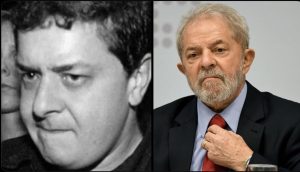



Eduardo Tagliaferro Detained in Italy: Ex-Aide to Moraes at the Heart of a Judicial Storm
By Hotspotnews -October 1, 2025*
On October 1, 2025, Eduardo Tagliaferro, former aide to Brazilian Supreme Court Justice Alexandre de Moraes, was detained by Italian police in Rome, as confirmed by his defense team. The arrest, tied to a Brazilian extradition request, thrusts Tagliaferro into the spotlight of a controversy blending allegations of leaked confidential information, claims of political persecution, and international legal tensions. But why was he detained, and how did a trusted judicial insider become a fugitive?
From Trusted Aide to Whistleblower
Tagliaferro, a forensic expert and technology specialist, served as head of the Special Advisory for Combating Disinformation at Brazil’s Superior Electoral Court (TSE) in 2022, under the presidencies of Justices Edson Fachin and Alexandre de Moraes. His role involved monitoring social media, identifying content deemed irregular, and producing reports to support judicial decisions on censorship and investigations into misinformation, often targeting right-wing profiles and supporters of former President Jair Bolsonaro.
The tide turned in May 2023 when Tagliaferro was arrested in Caieiras, São Paulo, for alleged domestic violence. During the police encounter, his pistol accidentally discharged, leading to its seizure and his immediate dismissal from the TSE. In September 2025, São Paulo’s Court of Justice unanimously acquitted him, ordering the return of his firearm, a decision his defense hailed as restoring his dignity.
Following his dismissal, Tagliaferro fled to Italy, claiming persecution by Moraes. From there, he leaked WhatsApp messages from servers in Moraes’ STF and TSE offices, published by major Brazilian media outlets. The communications, spanning May 2023 to August 2024, allegedly revealed a “clandestine intelligence operation” that monitored political opponents and influenced rulings, including those related to the January 8, 2023, riots in Brasília. Tagliaferro accused Moraes of coordinating complaints with Brazil’s Prosecutor General and wielding undue authority at the TSE.
In September 2025, Tagliaferro escalated his claims. In a Senate deposition chaired by Flávio Bolsonaro and as a defense witness for Congresswoman Carla Zambelli, he stated that U.S. authorities had approached him for information on Moraes, likening the justice to an authoritarian figure deserving of international sanctions. In a recent interview, he denounced an alleged “power scheme” within the judiciary and systematic surveillance practices.
The Charges Against Tagliaferro
Tagliaferro faces serious accusations. In August 2025, Brazil’s Prosecutor General charged him with breaching confidentiality, obstructing criminal investigations involving organized crime, and attempting to violently abolish the democratic state. Evidence includes audio recordings and messages allegedly showing his role in leaking sensitive information to interfere with judicial processes. The extradition request, formalized weeks before his detention, underscores the gravity of these charges.
Why the Detention in Italy?
Tagliaferro’s detention in Italy stems from Brazil’s extradition request, aiming to bring him back to face trial. His Italian citizenship, however, complicates matters, as Italy rarely extradites its nationals. The arrest coincides with heightened political tensions in Brazil, where Moraes is a polarizing figure in debates over free speech and judicial overreach. Tagliaferro’s allegations, while divisive, have gained traction among STF critics, though his detractors view him as a traitor who compromised institutional security.n
Eduardo Tagliaferro’s detention in Italy is more than a legal case—it’s a chapter in a broader clash between narratives of political persecution and the defense of democratic institutions. To his supporters, he’s a whistleblower exposing judicial abuses; to his accusers, a former insider who betrayed trust and broke the law. The case’s outcome hinges on judicial decisions in Italy and Brazil, but one thing is clear: Tagliaferro’s saga continues to fuel heated debates about the judiciary’s role and the boundaries of free expression.


