


Flávio Bolsonaro’s CEO Conference Speech: A Bid for Investor Confidence Amid Brazil’s Economic Confusions
By Hotspotnews
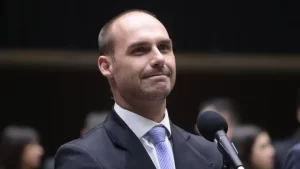
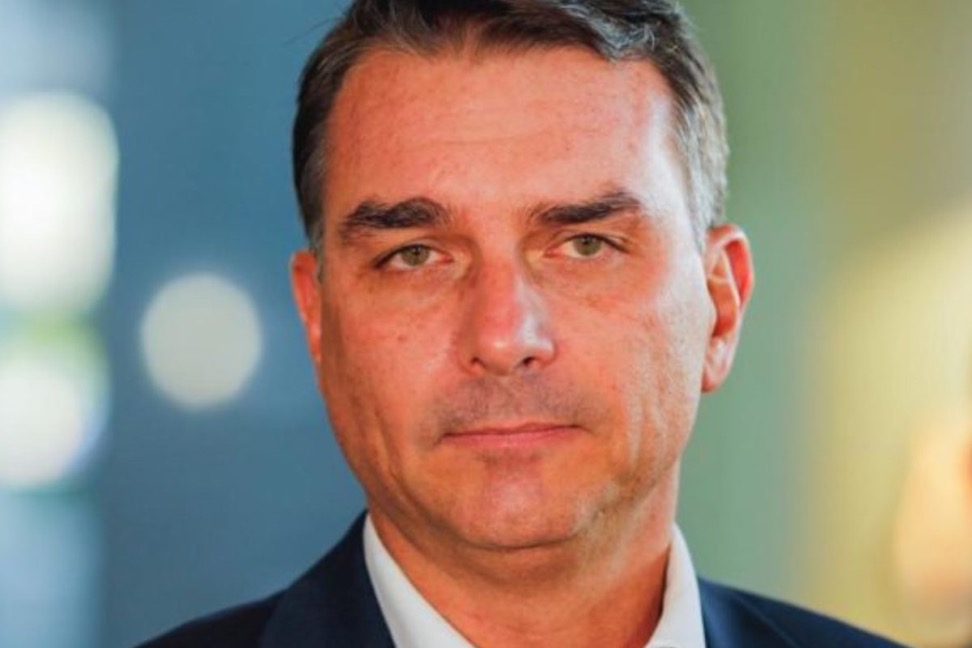
In a packed venue at São Paulo’s Faria Lima financial district, Senator Flávio Bolsonaro, the eldest son of former President Jair Bolsonaro, delivered a virtual address to the CEO Conference Brasil 2026 hosted by BTG Pactual.
The event, held on February 11, 2026, drew a full house of business leaders eager to hear from the right-wing politician who is positioning himself as a frontrunner in the upcoming presidential race. His speech, while light on specifics, emphasized pro-market reforms and a call for institutional stability, signaling a strategic pivot to appeal to investors disillusioned with the current administration’s economic policies.
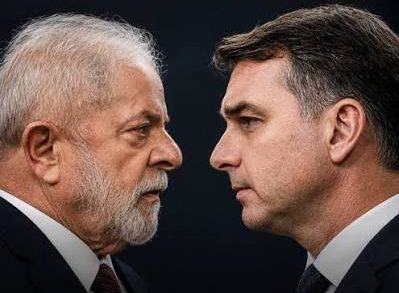
Bolsonaro’s remarks centered on the need for fiscal discipline in a country grappling with soaring deficits, persistent inflation, and a burgeoning public debt under President Luiz Inácio Lula da Silva’s leftist government. He pledged to overhaul Brazil’s fiscal framework, promising tax reductions, streamlined bureaucracy, and cuts to unnecessary public spending. “The Brazil we want is one of competent management, not recycled promises,” he stated, critiquing Lula’s repeated pledges for social programs like affordable food and healthcare access, which he argued have failed to deliver tangible results despite the Workers’ Party (PT) holding power for much of the past two decades. Instead, Bolsonaro advocated for policies that foster self-reliance, job creation, and private sector growth, aiming to reduce dependency on government aid.
A notable theme was his call for “dialogue and institutional harmony” among Brazil’s branches of government. He urged the Supreme Federal Court (STF) to exercise self-restraint in its decisions, warning that without it, the Senate might need to intervene constitutionally. This nod to moderating tensions between the executive, judiciary, and legislature was framed as a mature approach, with Bolsonaro declaring, “We win with the brain, not the liver,” emphasizing strategy over impulsiveness. He highlighted Brazil’s geopolitical opportunities, such as attracting investments from the Arab world in infrastructure and leveraging the nation’s strengths in food security and energy production, provided there is political and legal stability.
The speech’s impact reverberates across Brazil’s political and economic landscape, particularly as the 2026 election looms. For investors in Faria Lima—Brazil’s equivalent of Wall Street—the address offered reassurance that a Bolsonaro-led government could steer away from what critics call “leftist mismanagement.” Market reactions were cautiously optimistic; while the B3 stock exchange saw modest gains in sectors like agribusiness and energy post-event, analysts noted the vagueness of his proposals, lacking concrete plans for spending cuts or revenue sources. This ambiguity could appeal to a broad base but risks alienating those seeking detailed roadmaps amid economic uncertainty.
Politically, the speech bolsters Flávio Bolsonaro’s candidacy as a viable alternative to Lula, especially with his father ineligible to run until 2030 due to prior convictions. By replicating elements of Jair Bolsonaro’s 2018 playbook—direct social media engagement and critiques of the establishment—while adopting a more polished, investor-friendly tone, Flávio aims to consolidate the right-wing vote. Allies report plans to professionalize campaign efforts, addressing past shortcomings like regional outreach in the Northeast and economic messaging. However, challenges persist: higher rejection rates among moderate voters compared to his father, stricter electoral oversight on online content, and the need to expand his digital footprint.
On a broader scale, the address underscores the deepening polarization in Brazilian politics. Supporters hail it as a fresh vision for prosperity, with social media buzzing about “the next president” filling the venue. Critics, however, dismiss it as empty rhetoric from a family associated with controversy, including ongoing investigations. As Brazil navigates post-pandemic recovery and global economic headwinds, Bolsonaro’s outreach to the business elite could shift investor sentiment, potentially influencing capital flows and policy debates leading into the election.
Ultimately, the speech’s true impact will unfold in the coming months. If it succeeds in bridging the gap between conservative ideology and market pragmatism, it could reshape the 2026 race, offering voters a stark choice between continuity under Lula and a return to Bolsonaro-era reforms. For now, it serves as a reminder that in Brazil’s volatile political arena, economic promises remain a powerful currency.