




From First Lady to Fractured Influence: The Limits of Michelle Bolsonaro’s Political Rise
By Hotspotnews
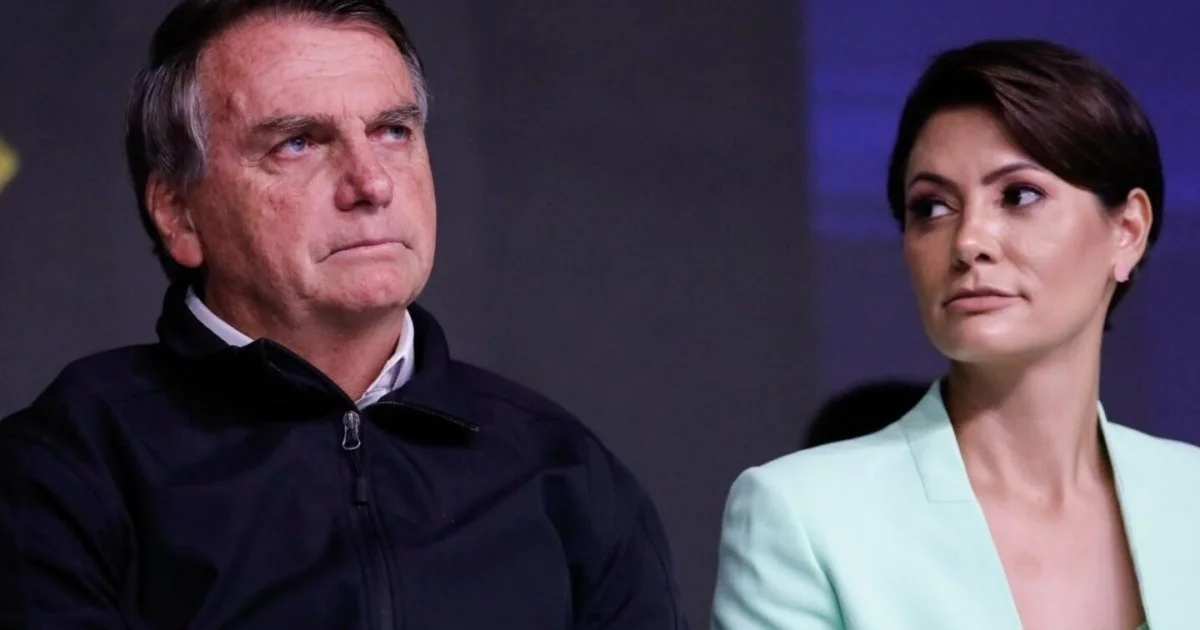
In Brazilian politics, few figures illustrate the gap between visibility and traditional qualifications as clearly as Michelle Bolsonaro. Once known primarily as the wife of former President Jair Bolsonaro, she stepped into a more prominent role as First Lady and later as a voice within the Liberal Party (PL). Yet her path highlights what many critics argue she lacks: the professional credentials, independent experience, and institutional depth expected of a core politician. Recent events, particularly a public family feud, have accelerated doubts and turned away parts of her support base.
A Background Without Traditional Political Credentials
Michelle Bolsonaro was born in 1982 in a working-class area of Brasília. She completed high school through adult education programs and trained as a Brazilian Sign Language interpreter via her evangelical church. Early work included sales and a staff position as a parliamentary secretary in the Chamber of Deputies—an administrative role, not an elected or policy-making one.
She has never held elected office, served in legislative committees, managed executive portfolios, or built a record through successive campaigns at lower levels. Her formal education does not include university degrees in law, public administration, economics, or related fields often associated with professional political careers. This profile stands in contrast to the “core professional” standard many expect: sustained expertise, accountability through elections, and demonstrated governance competence.
Rise Through Association Rather Than Independent Merit
Michelle’s national profile emerged almost entirely during Jair Bolsonaro’s presidency (2019–2023). As First Lady, she focused on evangelical outreach, social media engagement, and conservative messaging—areas where she proved effective at mobilizing specific voter segments, particularly women. After 2022, she assumed leadership of PL Mulher, the party’s women’s wing, giving her a platform for advocacy and networking.
Supporters praise her folksy appeal, religious conviction, and ability to connect with grassroots conservatives. However, detractors frequently describe her trajectory as “taking a ride on the bus”—gaining status, visibility, and influence primarily through marriage and proximity to power rather than forging an independent political career. This relational foundation provided rapid elevation but left her vulnerable to questions about depth and entitlement.

The Recent Rift: Ambition Meets Resistance
Tensions boiled over in June 2026 amid disputes over party alliances and candidacies ahead of elections. Michelle publicly released videos accusing her stepson, Senator Flávio Bolsonaro (a leading PL presidential contender), of rudeness, disrespect, and humiliation during a phone call. According to her account, he told her to stay out of party decisions because she had “arrived yesterday” and understood “nothing about politics.” She subsequently withdrew support from his campaign.
The episode exposed fractures:
- It disrupted party unity at a sensitive pre-convention period.
- It highlighted perceptions that her influence had outpaced her experience.
- Party leaders scrambled to mediate, underscoring the damage from airing internal grievances publicly.
This moment crystallized criticisms that her “head got too big”—that the spotlight and platform as First Lady fostered overconfidence in her role within the broader Bolsonaro ecosystem. What began as influence through loyalty and media presence clashed with family hierarchy and longer-serving figures who viewed her interventions as overreach.”
Why Many Have Turned Away
Several factors explain the erosion of support:
- Experience gap — Public comments from within the movement reinforced the view that her background lacked the grind of electoral politics or policy execution.
- Public divisiveness — Airing family disputes risked alienating voters seeking cohesion against opponents.
- Strategic concerns — With Jair Bolsonaro facing significant legal constraints, the family’s ability to project unified strength became paramount; internal drama undermined that.
- Perception of entitlement — For those already skeptical of “inherited” political power, her assertions of authority without equivalent independent credentials proved off-putting.
While Michelle retains a dedicated base—particularly among evangelical women— the episode has prompted a broader reassessment. Some allies now see her role as better suited to mobilization and influence rather than frontline leadership or candidacies.
What Defines a Politician?
Michelle Bolsonaro’s story feeds a larger debate: Should politics prioritize formal qualifications, legislative experience, and proven governance—or reward charisma, media savvy, and movement-building? In an age of personality-driven campaigns, influencers and spouses can wield real power. Yet when tested against internal accountability or electoral demands, relational influence often reveals its limits.
Her case suggests that without building the “necessary requirements”—independent track record, deeper expertise, and earned respect—ambition alone can lead to isolation rather than elevation. As Brazil’s right navigates the post-Bolsonaro landscape, the episode serves as a cautionary tale about the fragility of platforms built more on association than autonomous achievement.
The coming months will reveal whether Michelle steps back to family priorities (as she has signaled at times), mends fences for a supporting role, or persists amid the skepticism. Either way, the recent fractures highlight a straightforward truth: borrowed momentum eventually runs out of road.


