




How Bolsonarism Making Important Alliances in the US

By Hotspotnews
Bolsonarism, the right-wing populist movement centered on former Brazilian President Jair Bolsonaro, has built a durable network of alliances in the United States that functions as both a political base and a source of external pressure on Brazilian institutions. These ties rest on shared ideological ground with American conservatism and Trumpism, personal relationships cultivated over years, and the presence of a large, often conservative Brazilian diaspora.
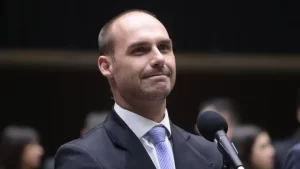
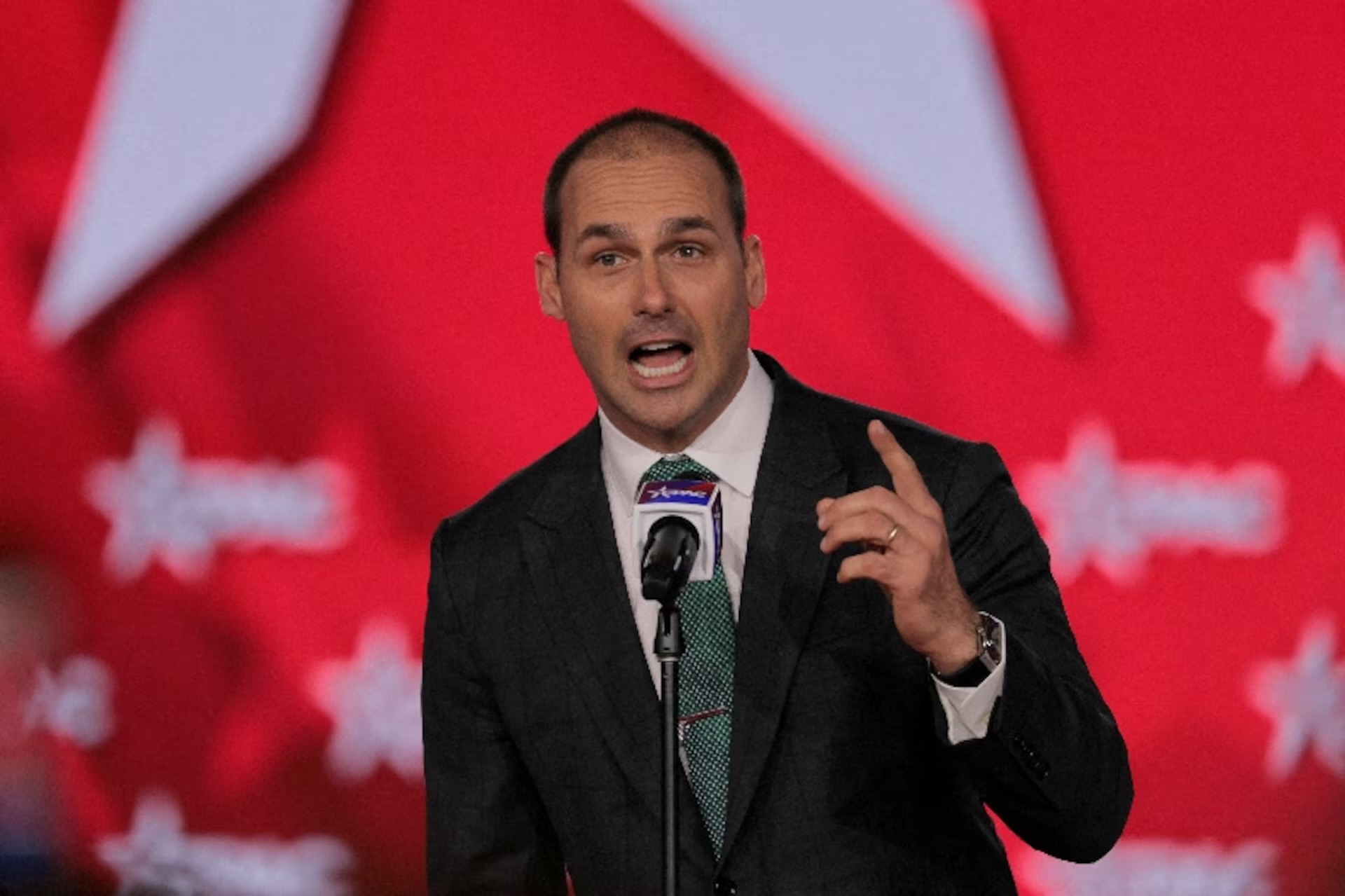
The foundation dates to the overlapping presidencies of Bolsonaro and Donald Trump. The two leaders projected similar nationalist, socially conservative, and anti-left messages. Steve Bannon advised Bolsonaro’s 2018 campaign and later amplified the Brazilian leader to American audiences. Eduardo Bolsonaro, the former congressman and one of Jair’s sons, traveled repeatedly to the United States, meeting Republican figures and attending conservative gatherings. These contacts produced ongoing channels with organizations such as CPAC and individuals in Trump’s orbit.
By 2025 and 2026 the relationship had practical consequences. After Jair Bolsonaro received a 27-year sentence in September 2025 related to efforts to overturn the 2022 election, the movement shifted focus to his son Flávio Bolsonaro. Flávio ran as a presidential candidate in 2026, lost to incumbent Luiz Inácio Lula da Silva, and arrived in the Miami area days later. U.S. authorities facilitated his entry. Trump adviser Jason Miller, who has longstanding ties to the family and previously met with Jair Bolsonaro in Brazil, helped arrange the private flight from Argentina. Trump approved entry for Flávio and his family; allies described temporary humanitarian authorization. Flávio publicly thanked Trump and Argentine President Javier Milei and stated he would continue leading opposition from the United States.
Inside the U.S. government, a Reuters investigation based on current and former officials identified two State Department political appointees, Darren Beattie and Ricardo Pita, as advocates for measures intended to favor the Bolsonaro family. These included designating major Brazilian criminal organizations as terrorist groups and imposing sanctions on the Brazilian Supreme Court justice leading investigations into Jair Bolsonaro. The same reporting indicated the officials steered diplomatic contacts away from other conservative Brazilian contenders. Trump had earlier imposed tariffs of up to 50 percent on certain Brazilian goods, explicitly linking them to the prosecution of the former president, and his administration sanctioned Brazilian judicial figures. Trump has repeatedly criticized Brazil’s courts over their handling of Bolsonaro while stopping short of a formal public endorsement of Flávio.
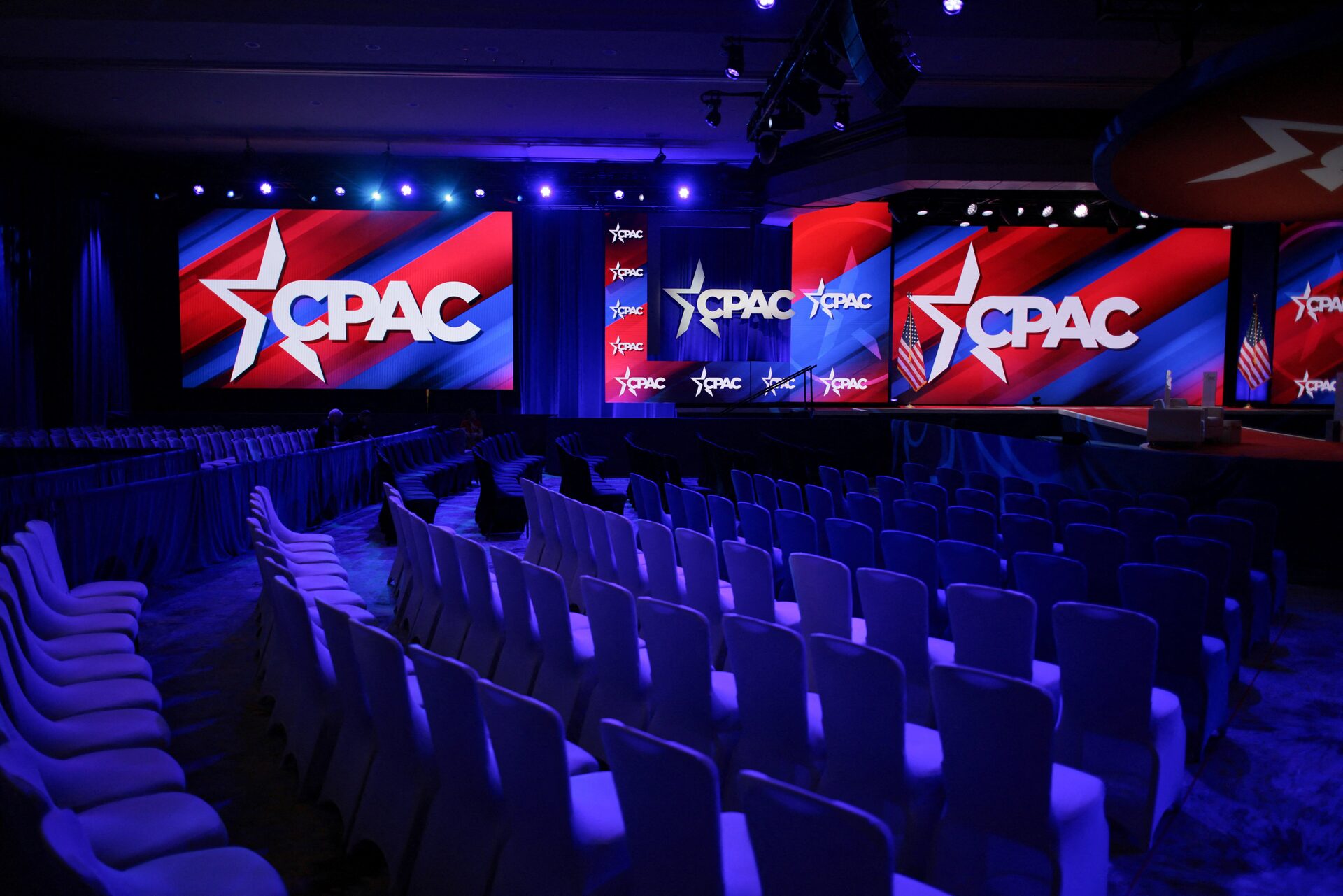
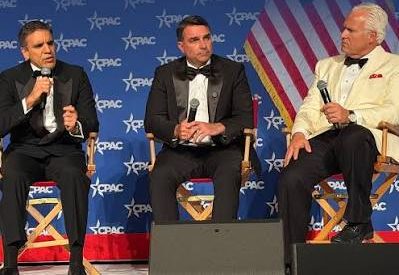
Conservative institutions provide regular platforms. Flávio and Eduardo Bolsonaro appeared at CPAC events in 2026, including sessions in Texas and a gala at Mar-a-Lago. Flávio has spoken of shared “Judeo-Christian values” and described Brazil and the United States as natural partners on security, critical minerals, and opposition to left-leaning governments. Other interlocutors include Sebastian Gorka, a Trump administration figure in counterterrorism roles who maintains CPAC connections with Brazilian conservatives, and longtime Trump communications aide Jason Miller. Brazilian commentators such as Paulo Figueiredo and Allan dos Santos operate media platforms from the United States while facing legal cases at home, using American podcasts and social media to frame Brazilian judicial actions as political persecution.

The Brazilian community in the United States supplies grassroots infrastructure. Estimates place the diaspora at roughly two million people, with significant concentrations in Florida and Massachusetts. Florida voters have consistently favored right-wing candidates; Flávio received nearly 63 percent of valid votes from U.S. Brazilians in the 2026 runoff. Organizations such as Yes Brasil in Florida and the Congresso Conservador Brasileiro in Massachusetts organize events, voter outreach, and meetings that connect Brazilian politicians with local conservative circles. Evangelical networks reinforce these links: studies of Brazilian immigrants show a correlation between evangelical religiosity and support for Bolsonarism, and groups like Capitol Ministries have fostered ties between U.S. and Brazilian conservative Christian circles.
While the United States functions as Bolsonarism’s principal external base, the movement also maintains thinner but real connections across Latin America and Europe. Flávio Bolsonaro’s 2026 departure via Argentina illustrated the practical utility of regional allies; Javier Milei’s government facilitated transit and was publicly thanked. Parallel participation in international conservative conferences and contacts with European populist circles, including figures linked to Viktor Orbán’s orbit and earlier Bannon-era projects of a global populist network, reinforce the same narrative of judicial persecution and shared “Judeo-Christian” values. These secondary networks expand the audience and the range of voices that can echo U.S.-generated pressure, yet they have not matched the institutional access, diaspora infrastructure, or safe-haven capacity that the American side currently provides. The overall approach is often described as a “boomerang” strategy: pressure generated in Washington is amplified through allied media and political actors elsewhere, then fed back into Brazilian politics.
These alliances remain active in late 2026. Flávio’s recent appearance at a CPAC Mar-a-Lago event, alongside other conservatives, signals continued integration into American right-wing circuits even after electoral defeat in Brazil. Critics in Brazil view the strategy as subordinating national sovereignty to foreign political interests; supporters frame it as necessary defense against what they call judicial overreach. The networks of personal relationships, institutional contacts, diaspora organizations, and shared ideological language—anchored in the United States and extended through complementary Latin American and European ties—show no sign of dissipating, giving Bolsonarism a sustained external base from which to operate.


