

Judicial Intervention Sparks Uncertainty in Brazil’s Electoral Landscape
By Hotspotnews
This outcome stems directly from a high-stakes clash between Brazil’s highest court and the specialized electoral justice system. What began as a routine supplementary poll after the cassation of the 2022-elected ticket has become a flashpoint exposing deeper tensions over institutional roles, legal predictability, and the health of democratic processes.
The Cassation and the Supplementary Election
The chain of events traces back to the Tribunal Superior Eleitoral (TSE) upholding the cassation of former governor Antonio Denarium and vice Edilson Damião in April 2026. The pair faced accusations of abuse of political and economic power during the 2022 campaign, including irregularities in public resource distribution. With Denarium having resigned beforehand in an apparent bid to evade ineligibility, the TSE ordered direct supplementary elections for a “mandato-tampão” (interim term) running until January 2027.
The election date was set for June 21. Candidates included the interim governor Soldado Sampaio (who had assumed the role as Assembly president), ex-mayor of Boa Vista Arthur Henrique (PL), and others. Campaigning was already underway when a pivotal intervention occurred.
The STF’s Decisive Move
In late May 2026, Supreme Federal Court (STF) Minister Flávio Dino issued a preliminary injunction (*liminar*) that fundamentally altered the rules. He annulled a TRE-RR resolution permitting candidates to resign from public office as late as 24 hours after party conventions—a flexible approach long used in supplementary elections to ensure broader competition and respect the unusual timing of such polls.
Dino ruled that the standard deadlines from the Lei de Inelegibilidades (Complementary Law 64/90) must apply: typically three to six months before the election, depending on the position. The First Chamber of the STF later confirmed this position by majority vote.
The practical effect was immediate and stark. Arthur Henrique, who had left the Boa Vista mayoralty in early April, fell short of the stricter timeline. Other potential contenders faced similar barriers or party substitution hurdles. Soldado Sampaio, already serving in an executive capacity tied to the interim role, navigated the rules more easily. Critics argued the decision narrowed the field and disadvantaged challengers, while supporters maintained it upheld uniform legal standards and prevented last-minute maneuvers.
Analysts, including O Globo columnist Malu Gaspar, described the move as the STF “overriding” or “trampling” the competencies of the TSE and regional electoral courts. Similar frictions have surfaced in other cases, such as debates over direct versus indirect elections in Rio de Janeiro following the cassation process involving Governor Cláudio Castro.
Problems Created: Legal Uncertainty and Eroded Predictability
The core issue is not merely one ruling but the precedent of the STF inserting itself into granular electoral mechanics traditionally handled by the specialized Justiça Eleitoral. Supplementary elections are inherently anomalous—triggered by cassations or resignations—and have historically featured pragmatic adjustments to deadlines to maximize voter choice and avoid disenfranchisement.
By imposing stricter timelines mid-process, the intervention created several immediate problems:
-Reduced competition and altered dynamics: Fewer viable candidates reached the ballot or faced effective disqualification risks, shifting the contest’s balance.
– Post-election limbo: Even with a decisive popular vote, the lack of a proclaimed winner prolongs uncertainty. The interim governor remains in office while appeals wind through the system.
– Conflicting signals across cases: Observers noted apparent inconsistencies with prior supplementary elections (e.g., in Amazonas or Tocantins) and parallel proceedings elsewhere, fueling accusations of selective application.
– Heightened politicization: The episode reinforces narratives—echoed in public commentary, including social media reactions questioning the STF’s self-image as democracy’s defender—that courts are shaping electoral outcomes rather than merely adjudicating them. This echoes longstanding debates from the 2022 cycle about judicial influence on politics.
The result is insegurança jurídica (legal insecurity): parties, candidates, and voters cannot reliably anticipate the rules until courts weigh in, often at the eleventh hour or afterward.
Consequences for Brazilian Democracy
Short-term, Roraima faces governance instability. A prolonged interim period or potential re-election could strain resources and public patience in a state already navigating complex regional dynamics.
Longer-term risks are more systemic. Repeated high-court interventions in electoral timing and eligibility can erode public trust in both the judiciary and the electoral process. When outcomes hinge on monocratic or chamber decisions rather than clear legislative or specialized-court frameworks, it invites perceptions of activism over restraint—regardless of the substantive merits of any single ruling.
For the broader 2026 calendar, such turbulence raises concerns about cascading effects: contested candidacies, delayed certifications, or challenges that spill into the general elections. It also complicates political planning for parties and candidates nationwide.
On a deeper level, it highlights tensions in Brazil’s institutional design. The STF serves as constitutional guardian, while the TSE and TREs are experts in electoral administration. When the former routinely second-guesses the latter on procedural matters, it blurs lines of competence and can slow or distort democratic expression.
What Can Be Done?
Addressing this requires action on multiple fronts, prioritizing clarity and institutional respect over ad-hoc fixes:
1. Legislative modernization: Congress should update electoral laws with explicit, tailored provisions for supplementary elections—covering deadlines, substitutions, and cassation timelines. Clear statutory rules reduce the need for judicial improvisation.
2. Institutional restraint and hierarchy: The STF could adopt greater deference to the TSE on technical electoral questions, intervening primarily on clear constitutional violations. Faster, more collegial (rather than monocratic) handling of urgent matters would help.
3. Consistent jurisprudence: Electoral courts should strive for predictable standards across similar cases, documenting rationales for any flexibility in anomalous situations like supplementary polls.
4. Transparency and accountability: Public access to decision rationales, timelines for resolutions, and mechanisms for rapid appeals can mitigate perceptions of opacity. Independent monitoring by civil society and media strengthens oversight.
5. Broader reform dialogue: A national conversation—perhaps through a special commission—on balancing judicial oversight with electoral autonomy could help prevent recurrence. This includes examining whether current overlaps between STF and TSE jurisdictions serve democracy best in their present form.
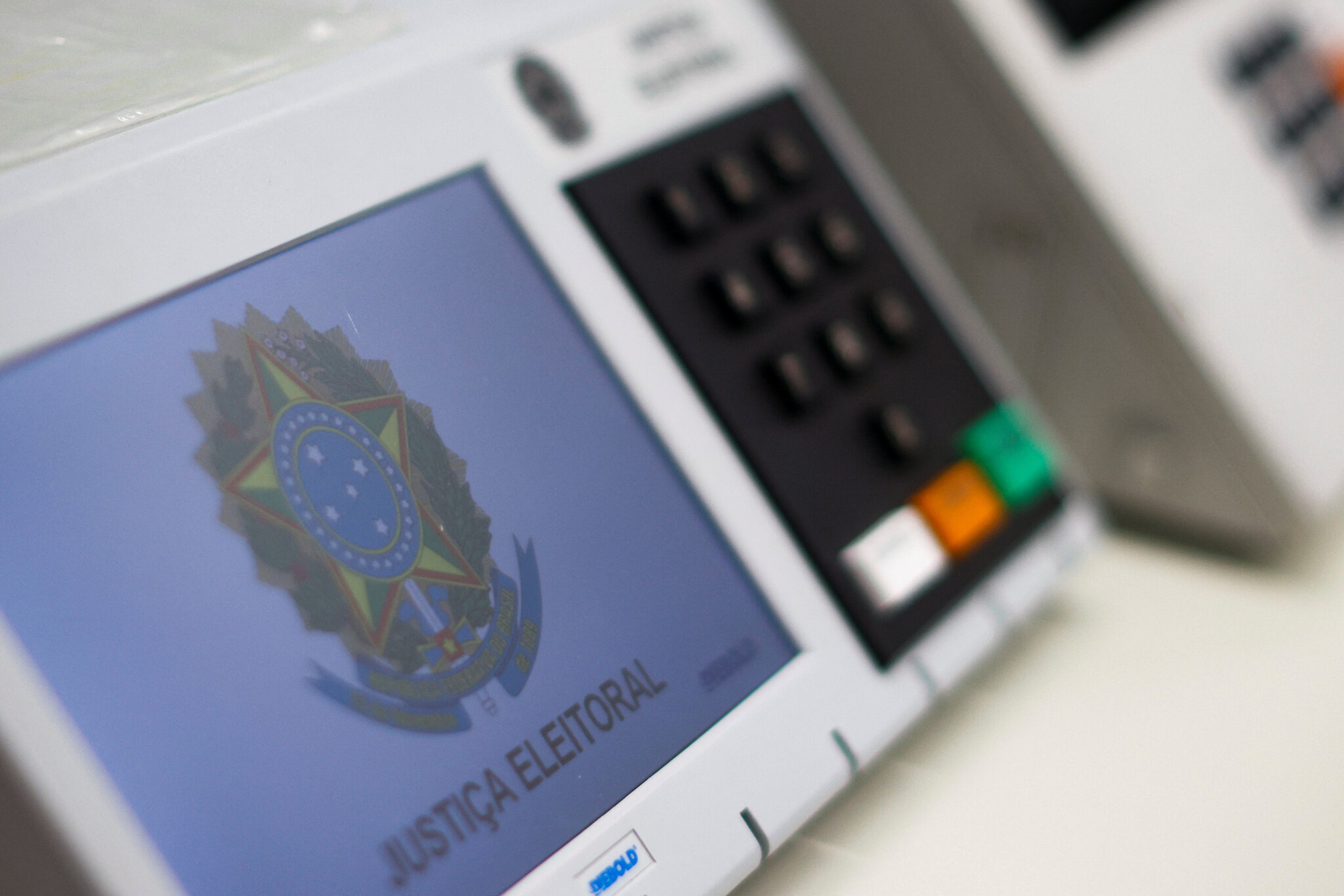
Brazil’s electoral system has long been praised for its electronic voting integrity and high participation. Preserving that strength demands rules that are stable, foreseeable, and applied evenly. The Roraima episode serves as a cautionary tale: when courts become central players in shaping who can compete and when, the focus shifts from voter will to legal maneuvering. Restoring predictability through clearer laws and mutual institutional respect would go far toward safeguarding the integrity of future elections.
The votes have been cast in Roraima. The real test now lies in how swiftly and fairly the system resolves the resulting uncertainty—without creating new precedents that further complicate Brazil’s democratic path.