




Justice Prevails: STF Minister André Mendonça Takes Bold Stand Against Alleged Billion-Dollar Banking Mafia
By Hotspotnews
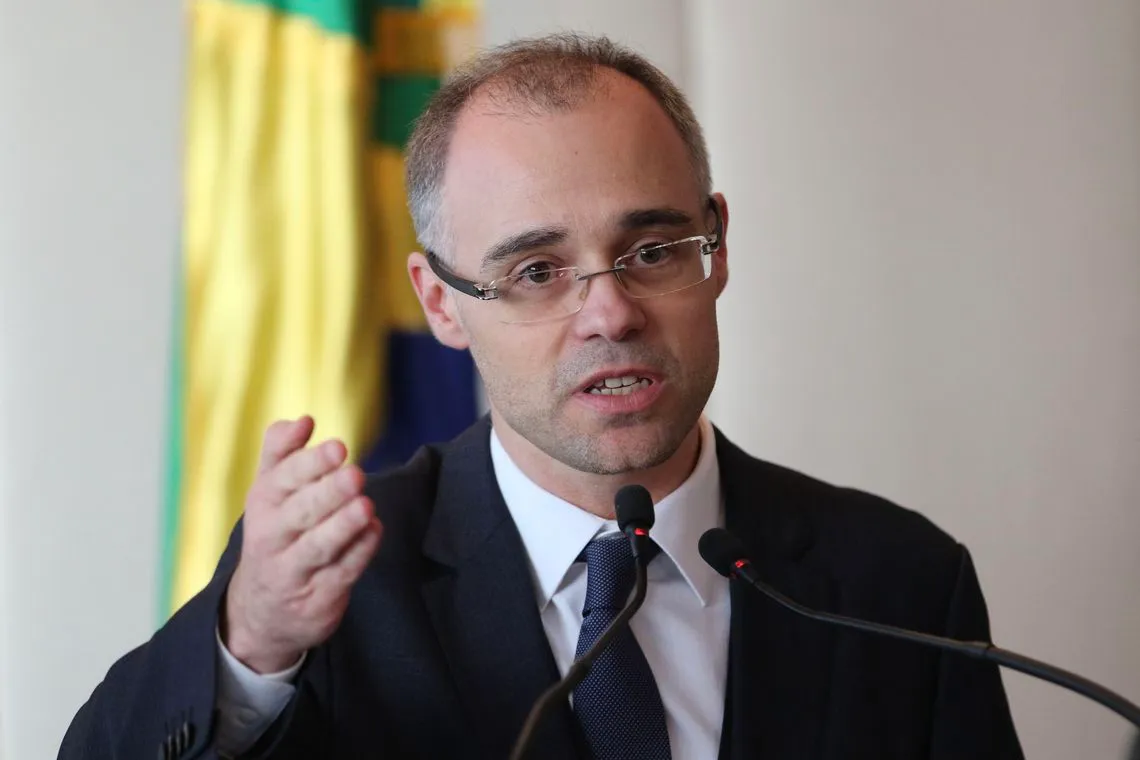
In a decisive move that signals a potential turning point in Brazil’s fight against entrenched corruption in the financial sector, Supreme Federal Court (STF) Minister André Mendonça has authorized the preventive arrest of banker Daniel Vorcaro, the former controlling figure behind Banco Master. This action, part of the third phase of Operation Compliance Zero, targets what federal investigators describe as a sophisticated criminal organization responsible for massive frauds, corruption of public officials, money laundering, and brazen obstruction of justice.
Vorcaro, once a prominent player in Brazil’s banking scene, now faces serious accusations of orchestrating schemes that allegedly inflicted billions in damages—reports point to asset blocks and seizures reaching up to R$22 billion to halt further illicit movements and preserve recoverable funds. Beyond the financial crimes, the investigation uncovers a disturbing private enforcement apparatus dubbed “A Turma,” portrayed by authorities as a de facto private militia. This group reportedly engaged in surveillance, intimidation, threats against critics—including employees, domestic workers, and journalists—and even unauthorized access to sensitive systems of the Federal Police, the Public Prosecutor’s Office, and international agencies like the FBI and Interpol.
Minister Mendonça’s ruling stands out for its firmness. He overruled objections from the Attorney General’s Office, which argued against the immediate urgency of detention, emphasizing instead concrete risks: ongoing criminal activity, potential destruction of evidence, witness intimidation, and threats to the integrity of the judicial process. By acting swiftly, Mendonça has prioritized the protection of public order and the advancement of justice over procedural delays—a refreshing departure from the slow pace that too often shields powerful figures in Brazil.
This case exposes deeper systemic issues that conservatives have long warned about: the dangerous nexus between unchecked financial power, political influence, and criminal behavior that erodes trust in institutions. When a single banker allegedly builds an apparatus capable of hacking law enforcement databases, pressuring regulators at the Central Bank, and silencing dissent through coercion, it reveals how far elite impunity can extend. The involvement of corruption allegations targeting public servants only amplifies the scandal, underscoring the need for rigorous oversight and accountability in both private finance and government supervision.
Vorcaro’s preventive detention—along with that of his brother-in-law and key associates—marks the first major step under Mendonça’s rapporteurship of the Banco Master inquiries, following a reassignment from another minister. The decision now heads to review by the STF’s Second Panel, where it will face scrutiny from fellow justices. Conservatives should applaud Mendonça’s resolve in confronting what appears to be one of the largest financial scandals in recent Brazilian history, while remaining vigilant that justice is applied evenly, without favoritism or political calculation.
Brazil deserves institutions that protect citizens’ savings, punish corruption without hesitation, and restore faith in the rule of law. Minister Mendonça’s actions offer hope that accountability is finally catching up to those who believed themselves untouchable. The coming weeks will test whether the judiciary will fully dismantle this alleged network or allow it to regroup behind technicalities and influence. For now, the message is clear: no one is above the law—not even those who once controlled vast fortunes and shadowy networks.


