




Lula’s Reckless Rhetoric: A Diplomatic Disaster in the Making
By Hotspotnews
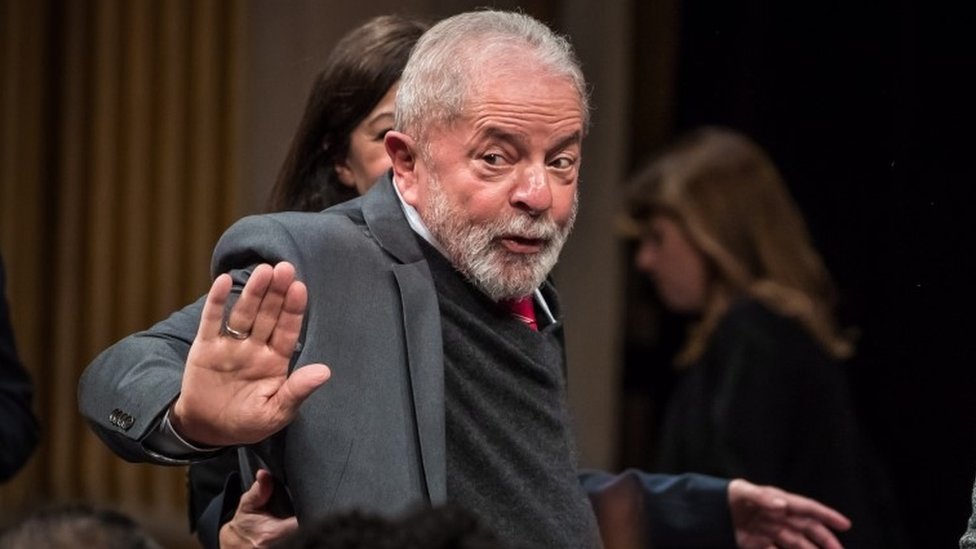
In an era where global tensions are already at a boiling point, Brazilian President Luiz Inácio Lula da Silva has once again proven himself to be a master of inflammatory and ill-advised diplomacy. His recent outburst against U.S. President Donald Trump’s firm stance on Iran is not just misguided—it’s a blatant overstep that undermines international stability and disrespects the sovereignty of nations standing up against rogue regimes.
Lula’s comments, delivered with the arrogance of a leader who seems to forget his own country’s vulnerabilities, criticize America’s role in South America as potentially aggressive while conveniently ignoring the real threats posed by Iran’s destabilizing actions in the Middle East.
From a conservative perspective, diplomacy should be rooted in strength, alliances, and a clear-eyed view of global threats. Trump’s warnings to Iran—backed by economic measures like tariffs on nations trading with the Islamic Republic—are a necessary response to years of Iranian aggression, including support for terrorism and nuclear ambitions. These are not empty threats but calculated moves to protect American interests and those of its allies. Yet Lula, ever the leftist ideologue, chooses to portray the United States as the aggressor, questioning whether America wants to be a “friend or enemy” to South America. This is nothing short of hypocrisy from a man whose own foreign policy has cozied up to authoritarian regimes like Venezuela and Cuba, all while alienating key partners in the West.
Lula has crossed all limits of bad diplomacy. His remarks not only embolden adversaries like Iran but also risk isolating Brazil on the world stage. By injecting himself into U.S.-Iran tensions, he displays a stunning lack of restraint, prioritizing ideological grandstanding over pragmatic leadership. This isn’t statesmanship; it’s recklessness that could invite economic repercussions for Brazil, a nation already grappling with internal challenges like inflation and corruption scandals from Lula’s own past. Conservative principles demand that leaders prioritize their citizens’ security and prosperity, not virtue-signal to anti-Western crowds.
When will this end? Lula’s term has been marked by a pattern of divisive international meddling, from his equivocations on Russia’s invasion of Ukraine to his soft stance on Hamas. If history is any guide, it won’t stop until the Brazilian people demand better—or until the 2026 elections provide an opportunity to restore sane, pro-Western leadership. Until then, the world watches as Lula’s blunders continue to erode trust and invite chaos. True conservatives know that strong alliances with the U.S. are vital for Brazil’s future; it’s time Lula learned that lesson before it’s too late.


