


Lula’s Travel Spree: Billions Wasted on Taxpayer-Funded Junkets with No Accountability
By Hotspotnews
Brazilian taxpayers are footing the bill for yet another year of record-breaking government travel under President Luiz Inácio Lula da Silva. Official figures show federal spending on trips hit nearly 2.5 billion reais in 2025 — the third straight all-time high. By mid-2026, the total had already surpassed 675 million reais, with hundreds of millions more expected before the year ends. These numbers cover air tickets, lavish per diems, and related costs for thousands of officials, ministers, and bureaucrats.
While the left defends this as essential “public service,” conservatives see a clear pattern of abuse: an entitled political class treating public money like a personal travel fund while ordinary Brazilians struggle with high taxes, crumbling infrastructure, and squeezed budgets. The explosion in spending raises serious questions about necessity, results, and basic fiscal responsibility.
Were the Trips Legitimate Business?
Many of the expenditures are labeled as official business. Ministries such as Justice, Education, Defense, and Management account for the largest shares. Domestic flights shuttle officials between Brasília, São Paulo, Rio, and state capitals for meetings, inspections, and operations. International travel includes diplomatic missions, conferences, and agency work.
Some trips undoubtedly serve real government functions — coordinating law enforcement, overseeing programs, or handling border security. But the sheer scale under Lula demands scrutiny. Why have costs shattered records year after year compared to previous administrations? The government has expanded ministries and created overlapping roles, feeding a bureaucratic machine that justifies endless travel. Domestic routes dominate the spending, suggesting routine commuting and redundant meetings rather than urgent national priorities.
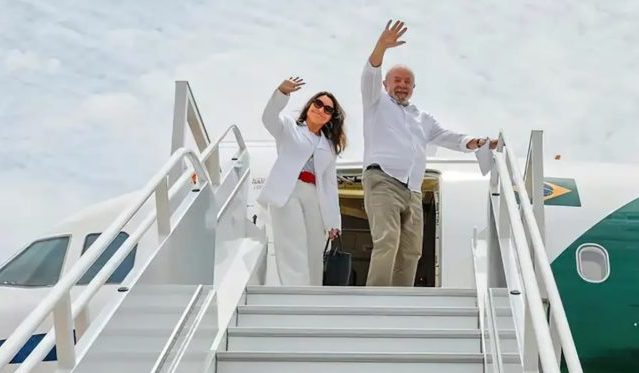
The most opaque area involves President Lula and First Lady Janja. Their international journeys often use Brazilian Air Force jets, with full costs hidden behind “security” classifications. Luxury delegations, five-star hotels, and frequent appearances at global forums — many heavy on ideology and light on concrete outcomes — fuel suspicion that these are partly political junkets and image-building exercises. Photo-ops and summit handshakes do not equate to serious statecraft when Brazil faces pressing domestic crises like debt, inflation, and failing public services.
ROI: Zero Transparency, Zero Measurable Returns
If these were private-sector expenses, shareholders would demand proof of return on investment. What economic gains, new investments, trade deals, or efficiency improvements have justified nearly 2.5 billion reais in 2025 alone? The government offers no detailed, audited reports breaking down outcomes by trip or ministry.
Critics rightly ask: How many trips produced tangible benefits for taxpayers? International conferences in distant capitals often amount to expensive talk shops with little follow-through. Domestic travel frequently overlaps between agencies, suggesting bloat instead of streamlined governance. Individual officials have racked up hundreds of thousands in costs for what appear to be routine or symbolic duties. Without clear metrics — jobs created, revenue generated, or problems solved — this spending looks more like a subsidy for the ruling class than prudent administration.
Adjusting for inflation and government growth, the numbers still stand out as excessive. Earlier administrations managed similar responsibilities without setting repeated spending records. The pattern points to a culture of entitlement in the current government, where “business travel” serves as cover for waste amid broader fiscal pressures. Proposals for austerity elsewhere ring hollow when official globetrotting keeps climbing.
Abuse of Taxpayer Money?
Absolutely. When families pay heavy taxes and see limited improvements in health, education, and security, funneling billions into unchecked travel constitutes a clear misuse of public resources. The lack of transparency around presidential trips only deepens distrust. Brazilians deserve leaders who prioritize results over perks — not an administration that normalizes luxury at public expense while lecturing citizens about sacrifice.
This travel bonanza reflects deeper problems: overgrown government, weak oversight, and a political elite disconnected from everyday realities. Conservatives have long warned that expanding the state without accountability leads to exactly this outcome — money flowing to insiders rather than citizens. True fiscal conservatism demands sharp cuts to non-essential spending, full disclosure of all travel costs (including presidential ones), and performance audits that tie every real to measurable public benefit.
Until Brasília reins in this excess, taxpayers will continue subsidizing what looks less like necessary governance and more like a perpetual taxpayer-funded vacation for the powerful. Brazil deserves better stewardship of its hard-earned resources.


