




Massive Earthquake Strikes Russia’s Far East, Tsunami Warnings Issued Across Pacific
By Hotspotorlando News
A powerful magnitude 8.8 earthquake struck off the coast of Russia’s Kamchatka Peninsula early Wednesday, July 30, 2025, at approximately 8:25 a.m. local time (4:25 p.m. ET, Tuesday). The quake, centered 74 miles southeast of Petropavlovsk-Kamchatsky, a city of about 165,000 people, is tied for the sixth-strongest earthquake ever recorded, according to the U.S. Geological Survey (USGS). The shallow tremor, occurring at a depth of just 12 miles, unleashed tsunami waves that impacted Russia, Japan, and Hawaii, prompting widespread evacuation orders and alerts across the Pacific, including the U.S. Pacific Coast.

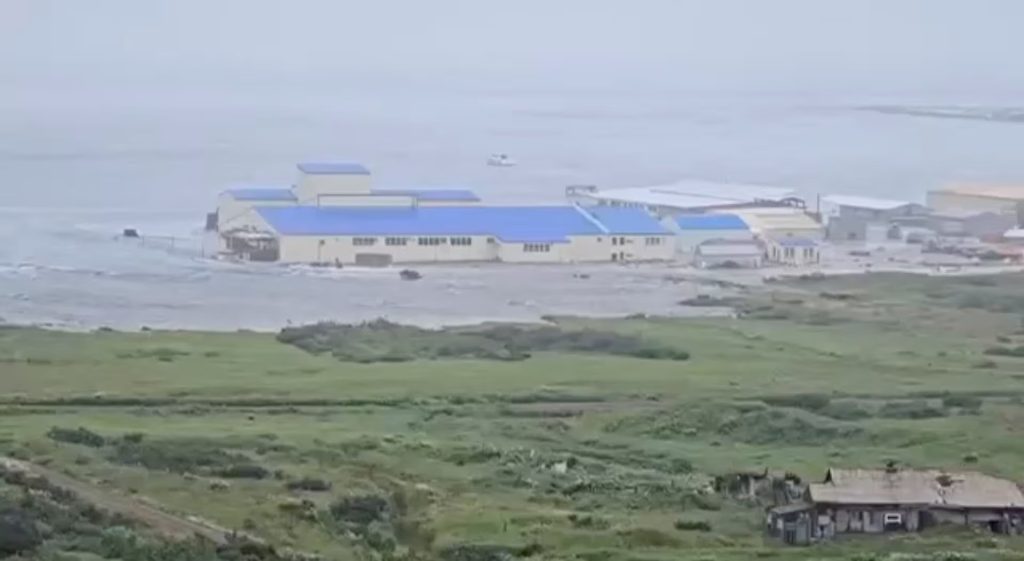


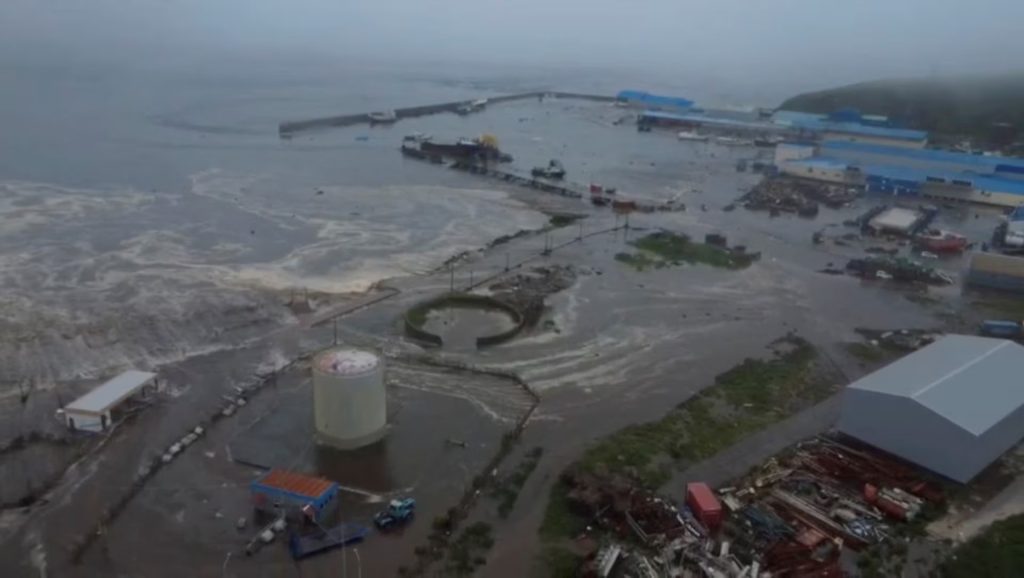

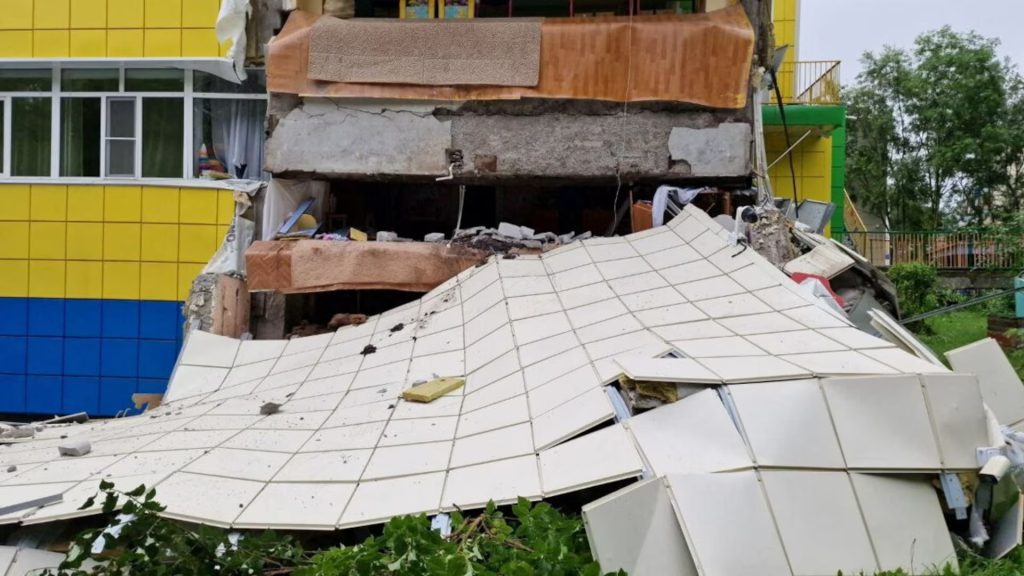

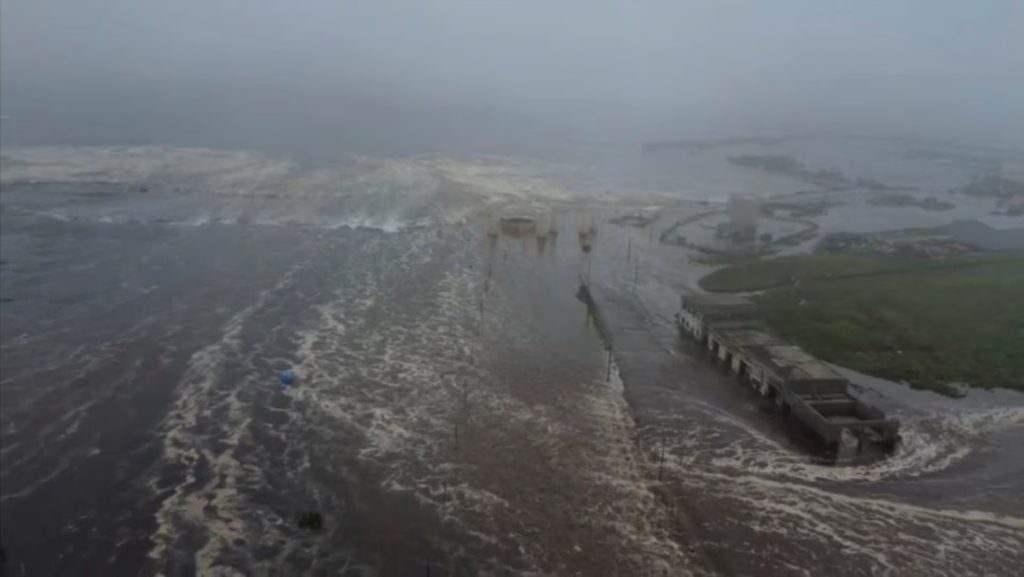
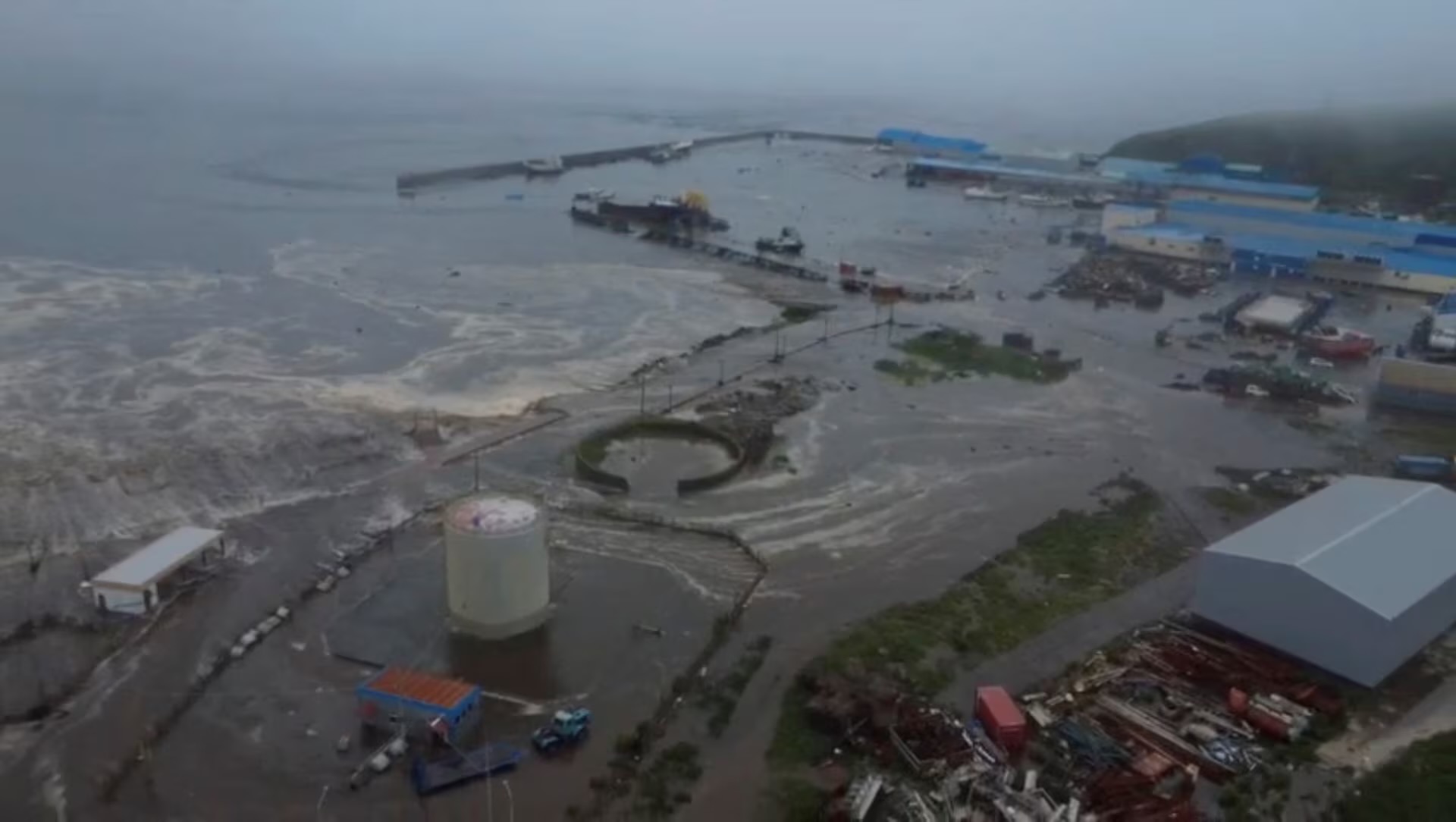
The earthquake, which occurred along a megathrust fault where the Pacific Plate subducts beneath the North American Plate, caused significant disruption in Russia’s sparsely populated Far East. In Severo-Kurilsk, a coastal town on Russia’s Kuril Islands, tsunami waves reaching up to 13 feet flooded the port, sweeping away buildings, storage containers, and fishing vessels. Regional authorities declared a state of emergency, but Mayor Alexander Ovsyannikov confirmed that all residents were safely evacuated. In Petropavlovsk-Kamchatsky, minor damage was reported, including a collapsed wall at a kindergarten and injuries from people fleeing buildings or, in one case, jumping from a window. Russian officials noted no fatalities, crediting prior tsunami drills following smaller quakes earlier in July for the swift response.
The Klyuchevskoy volcano, Eurasia’s tallest active volcano located on the Kamchatka Peninsula, began erupting shortly after the quake, spewing hot lava down its western slope and producing explosions visible from a distance. Scientists suggest the seismic activity may have triggered the eruption, though no immediate threats to nearby settlements were reported.
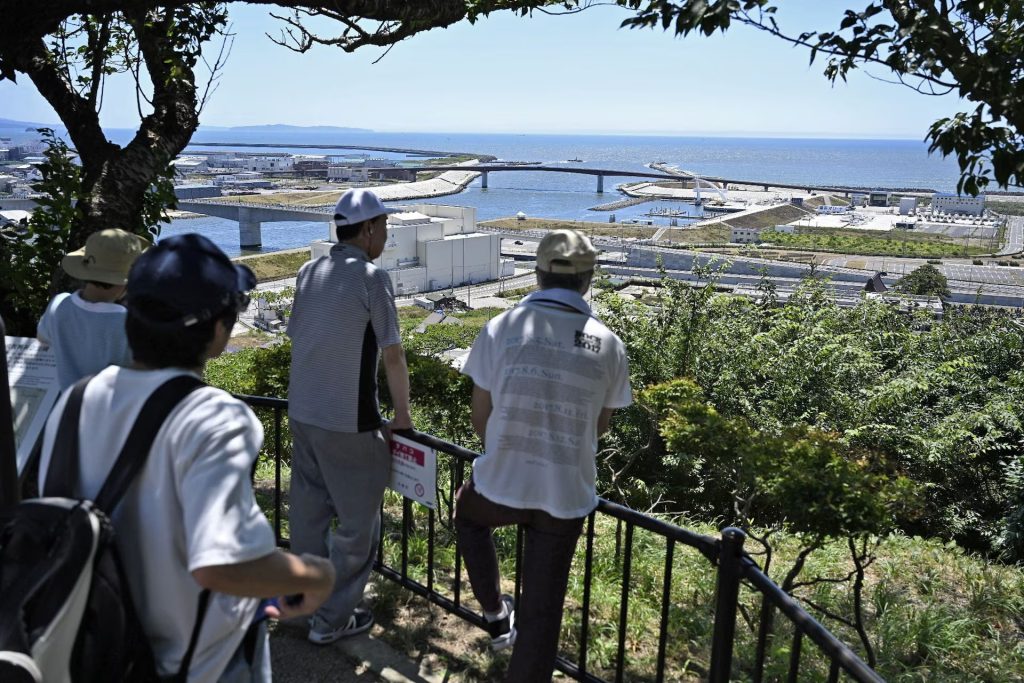
Tsunami warnings rippled across the Pacific, affecting nations as far as French Polynesia, Chile, and New Zealand. In Japan, nearly two million people along the eastern seaboard, from Hokkaido to Wakayama, were ordered to evacuate as waves up to 4 feet struck coastal areas. The Fukushima Daiichi nuclear plant, site of the 2011 disaster, saw all 4,000 workers evacuated as a precaution, but no abnormalities were detected. Japan later downgraded its tsunami warnings to advisories, reporting minimal damage and one fatality—a woman in Mie Prefecture who died when her car fell off a cliff during evacuation.
In Hawaii, tsunami waves of up to 4.9 feet were recorded on Maui, with smaller surges of 4 feet hitting Oahu. Governor Josh Green urged residents to flee low-lying areas, warning, “It is not a regular wave. It will actually kill you if you get hit by a tsunami.” Despite heavy traffic jams in Honolulu, no significant damage or injuries were reported. By early Wednesday, the Pacific Tsunami Warning Center downgraded Hawaii’s warning to an advisory, allowing evacuees to return home. Officials noted minor flooding on the Big Island near Hilo but described the impact as manageable.
Impact on the U.S. Pacific Coast
Along the U.S. Pacific Coast, tsunami warnings and advisories were issued for parts of Alaska, Washington, Oregon, and California. The first tsunami waves reached California around 12:48 a.m. local time on Wednesday, with Monterey and San Francisco recording surges of up to 3.6 feet. In Crescent City, near the Oregon border, rapid water level swings of about 3 feet were observed, prompting officials to warn residents to stay away from beaches due to dangerous currents. A tsunami warning remained in effect for a 40-mile stretch of Northern California’s coast, from Cape Mendocino to the Oregon border, while advisories covered the rest of the West Coast.
In Washington, waves arrived just past midnight, affecting coastal areas like Westport and La Push. Oregon saw similar minor surges, with no significant damage reported. Alaska’s Aleutian Islands experienced a tidal rise of about 1 foot, and by Wednesday morning, most tsunami alerts for Alaska were lifted. The National Weather Service emphasized the risk of strong currents and rapid tide fluctuations, urging people to avoid shorelines. No injuries or major structural damage were reported along the U.S. Pacific Coast, though authorities continued to monitor for additional waves.
Global Response and Ongoing Risks
Across the Pacific, nations like Ecuador, Peru, and Chile issued evacuation orders for coastal areas, with waves up to 7.5 feet expected in parts of Peru. French Polynesia’s Marquesas Islands braced for waves of up to 8 feet, though forecasts were later revised downward. New Zealand and Australia issued advisories for strong currents, while China lifted alerts for Shanghai after minimal wave activity.
Experts warn that tsunami waves can persist for hours or even a day after the initial quake, posing ongoing risks to coastal communities. The Kamchatka region, part of the Pacific Ring of Fire, remains seismically active, with aftershocks as strong as magnitude 6.9 recorded. Russian scientists noted this was the strongest quake to hit Kamchatka since 1952, raising concerns about potential future tremors.
As the Pacific region remains on alert, the rapid response to evacuation orders and robust warning systems appear to have mitigated the disaster’s toll. However, the event underscores the volatile nature of the Ring of Fire and the need for continued preparedness in earthquake-prone areas.
Source: Reuters, AP, X, Grok3