



Escalating Judicial Pressure: Moraes’ Investigation into Flávio Bolsonaro Sparks Accusations of Selective Persecution and Impunity
By Hotspotnews
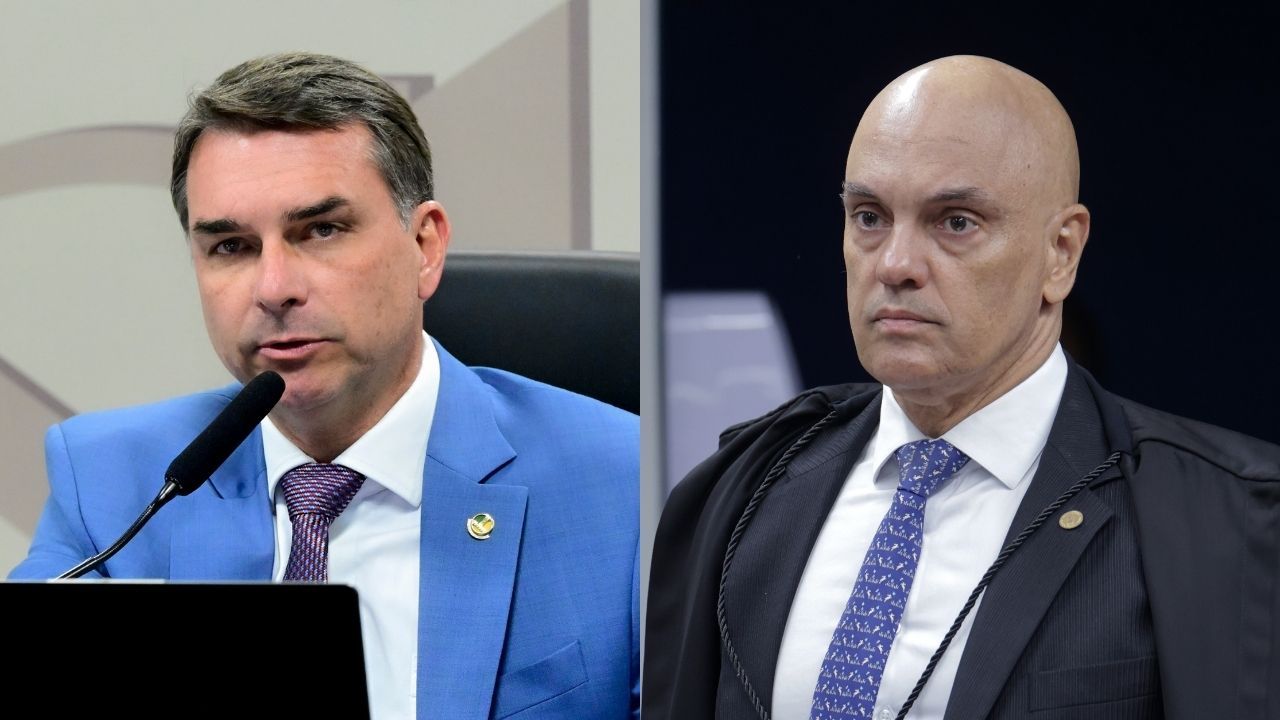
In the latest chapter of Brazil’s deeply polarized political and judicial landscape, Supreme Court Justice Alexandre de Moraes has advanced an investigation against Senator Flávio Bolsonaro (PL-RJ), President Lula da Silva’s prominent opposition figure and a pre-candidate for 2026. The probe centers on alleged calúnia (slander/calumny) stemming from Flávio’s early January 2026 social media post. Following reports of Venezuelan leader Nicolás Maduro’s detention, Flávio linked Lula to Maduro and accused him of involvement in international drug trafficking, arms dealing, money laundering, support for dictatorships, and fraudulent elections—framing it as the potential unraveling of the Foro de São Paulo network.
The Federal Police concluded its inquiry and indicted Flávio. Moraes recently sent the report to the Procuradoria-Geral da República (PGR) for its formal opinion within 15 days, a step that could lead to charges, further probes, or dismissal. This development has drawn sharp criticism from the right, who view it as part of a broader effort to sideline Bolsonaro family members and clear Lula’s path to re-election. Flávio’s defense calls the case legally weak, arguing it reflects protected political speech about documented international events rather than direct false imputation of crimes to Lula.
The Power of a Single Justice
Moraes’ central role in this and related cases has intensified debates about accountability. As relator (lead justice) in multiple high-stakes inquiries involving the 2022 elections, January 8 events, and “disinformation,” he issues wide-ranging decisions on content removal, asset freezes, bans, and investigations. Critics highlight perceived contradictions in his rulings—treating similar situations differently depending on the political actor involved—and argue he operates with effective impunity. Unlike elected officials, justices face limited practical mechanisms for external review or removal, leading to claims that he functions “above the law” while handling sensitive “dirty jobs” that benefit the government by weakening opposition voices.
Supporters counter that Moraes is safeguarding institutions against real threats like extremism and foreign interference narratives. Yet the pattern fuels a narrative of lawfare: using judicial tools to harass or disqualify rivals rather than pursue uniform justice. International echoes, including U.S. sanctions against Moraes under the Trump administration, underscore how these domestic disputes spill into global tensions.
Crime, Corruption, and the Bigger Picture
The timing resonates amid broader frustrations. Organized crime groups like PCC and Comando Vermelho maintain sophisticated operations, luxury assets, territorial control, and heavy armament that often outmatch police in favelas. While homicide rates have declined over recent years (a trend spanning administrations), the qualitative reality—gangs downing or challenging helicopters, using drones for attacks, and sustaining influence—suggests the state is far from victory. Many perceive the government as preoccupied with covering institutional holes, managing its own scandals, and navigating alliances, while data on violence is selectively highlighted to project progress.
In this environment, the push against Flávio is seen by opponents not as isolated accountability but as connected to a strategy of elimination. With Lula facing headwinds on security, corruption perceptions, and governance, neutralizing a viable right-wing challenger like Flávio—who carries the family brand and appeals to dissatisfied voters—could reshape the electoral field.
Reactions and What Comes Next
The right denounces the move as desperate political engineering. The left and government allies insist no one is immune from scrutiny for crossing legal lines, especially when attributing serious crimes to the president. Flávio’s case now hinges on the PGR’s stance. Whatever the outcome, it deepens distrust: in the judiciary’s impartiality, in data that seems detached from street-level failures, and in a system where power appears concentrated and unaccountable.
Brazil’s 2026 elections loom as a referendum not just on policies but on whether institutions serve the people or entrench elite battles. The Flávio-Moraes clash encapsulates the impasse—crime endures, scandals persist, and accountability feels one-sided. For a public tired of cycles where powerful actors evade consequences while ordinary Brazilians bear the costs, the demand is simple: consistent rules, not selective ones. Whether this investigation delivers justice or further erodes legitimacy remains to be


