




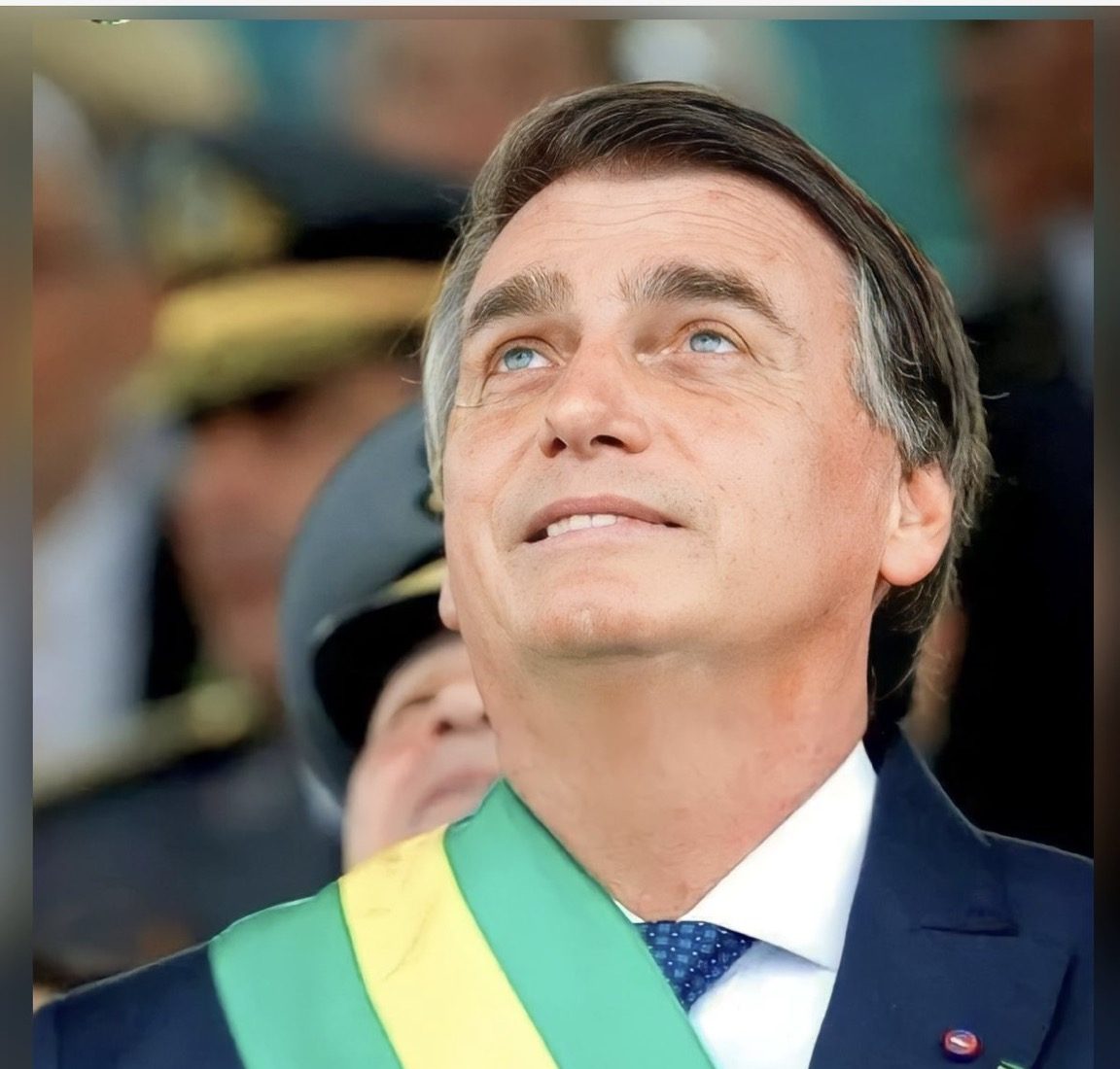
Justice Prevails: MPF Archives Baseless “Genocide” Probe Against Bolsonaro
By Hotspotnews
In a major victory for truth and fairness, the Federal Public Prosecutor’s Office (MPF) has officially archived yet another politically motivated investigation accusing former President Jair Bolsonaro of “genocide” during the COVID-19 pandemic.
The decision, reached in early 2026 after reviewing an anonymous complaint filed in 2025, underscores what conservatives have long argued: these relentless attacks on Bolsonaro were never grounded in solid evidence but were instead part of a broader campaign to smear a leader who prioritized individual freedoms and economic survival over draconian lockdowns.
The accusations in this latest probe were sweeping and sensational—ranging from genocide in handling the pandemic to corruption, militia involvement, drug trafficking, misuse of the Brazilian Intelligence Agency (Abin), “rachadinhas” (kickback schemes), poisoning of authorities, political persecution, and even attacks on democratic order—targeting Bolsonaro and members of his family. The MPF concluded that the allegations were generic, vague, and entirely unsupported by documents, credible testimony, or any minimal proof required to justify criminal proceedings. As a result, the office determined there was no basis for further persecution, closing the matter definitively.
This outcome is far from isolated; it fits a clear pattern of archivings that have repeatedly dismantled overreaching claims against Bolsonaro. Among the most notable:
– **Fraud in COVID-19 vaccination records** — In March 2025, following a request from the Attorney General’s Office (PGR), the Supreme Federal Court (STF) archived an investigation into alleged falsification of vaccine certificates involving Bolsonaro. The PGR found insufficient evidence beyond certain statements to sustain charges, leading Minister Alexandre de Moraes to close the case.
– **Alleged coup-related conduct during a March event in Copacabana** — Late in 2025, the PGR archived a probe into supposed golpista (coup-plotting) behavior at that public gathering in Rio de Janeiro, citing a complete lack of supporting proof to proceed.
– **Multiple COVID-19 management-related complaints post-CPI da Pandemia** — After the 2021 Senate COVID Commission recommended indicting Bolsonaro on charges like epidemic resulting in death and violations of sanitary measures, the PGR in 2022 requested—and the STF often granted—archiving of several related preliminary inquiries. These included accusations of charlatanismo (quackery), improper use of public funds for ineffective treatments, and general pandemic mismanagement, all deemed lacking in concrete elements for prosecution.
– **Earlier pandemic conduct representations** — In 2021, the PGR archived complaints from former prosecutors alleging Bolsonaro’s overall handling of COVID-19 warranted criminal scrutiny, determining that prior analyses already covered and dismissed similar points.
– **Corruption suspicions in specific cases** — The MPF archived an isolated probe into alleged irregularities in Itaipu Binacional negotiations during his administration (archived in 2025 for insufficient proof), though not all corruption-related matters are closed.
– **Other fringe allegations** — Even absurd claims, such as suspected environmental crimes involving the molestation of a humpback whale in 2025, were archived by the MPF after lacking substantiation.
These archivings consistently highlight a recurring issue: many accusations stem from anonymous tips, political opposition filings, or broad interpretations of policy decisions rather than substantiated evidence. While Bolsonaro remains under scrutiny in other high-profile cases—particularly some coup-related or Abin misuse probes—the pattern in these dismissed matters, especially those tied to COVID-19 or sensational bundled claims, reinforces arguments that lawfare tactics have often overreached without factual grounding.
During his presidency, Bolsonaro faced intense pressure from global health bureaucrats and domestic left-wing forces pushing for extreme restrictions. He resisted blanket lockdowns that devastated small businesses, crushed livelihoods, and inflicted lasting harm on mental health and education—policies that many now recognize caused far more damage than the virus itself in certain contexts. Instead, he championed early treatment options, protected religious freedoms, and emphasized personal responsibility—positions that earned him vicious labels from opponents desperate to equate dissent with criminality.
Adding insult to injury, critics repeatedly invoked the inflammatory term “genocide,” a word with profound legal and moral weight, to describe routine policy disagreements. Yet Brazil’s COVID mortality rate, when adjusted per million inhabitants, ranked better than many nations that imposed the strictest measures, including the United States and the United Kingdom. This data, often highlighted by supporters, reveals the hypocrisy: while Bolsonaro was vilified for refusing to impose one-size-fits-all tyranny, other countries with harsher rules suffered comparable or worse outcomes.
The STF’s 2020 ruling decentralizing pandemic responses to states and municipalities further vindicates Bolsonaro’s approach. It removed centralized federal command, allowing regional leaders to tailor strategies to local realities—a federalist principle conservatives have always defended. Blaming one man for nationwide results in such a fragmented system was always illogical and unfair.
Today’s archiving—and the string of similar dismissals—is more than a legal footnote; it’s a rebuke to weaponized justice. For years, anonymous denunciations and media-fueled narratives kept these probes alive, wasting public resources and tarnishing reputations without basis. Conservatives see these outcomes as confirmation that lawfare against Bolsonaro was never about accountability—it was about revenge for challenging the establishment’s pandemic orthodoxy.
Brazil deserves leaders who defend liberty, not those who bow to fearmongering. With these repeated decisions, the MPF and STF have helped restore a measure of sanity, reminding everyone that accusations, no matter how sensational, must be backed by facts—not feelings or politics. Jair Bolsonaro’s record on COVID stands stronger than ever: he protected freedoms when others sought control, and the facts continue to prove his critics wrong.


