




By Hotspotnews
Stephen Miller’s Vision of America: A Nation Worth Fighting For
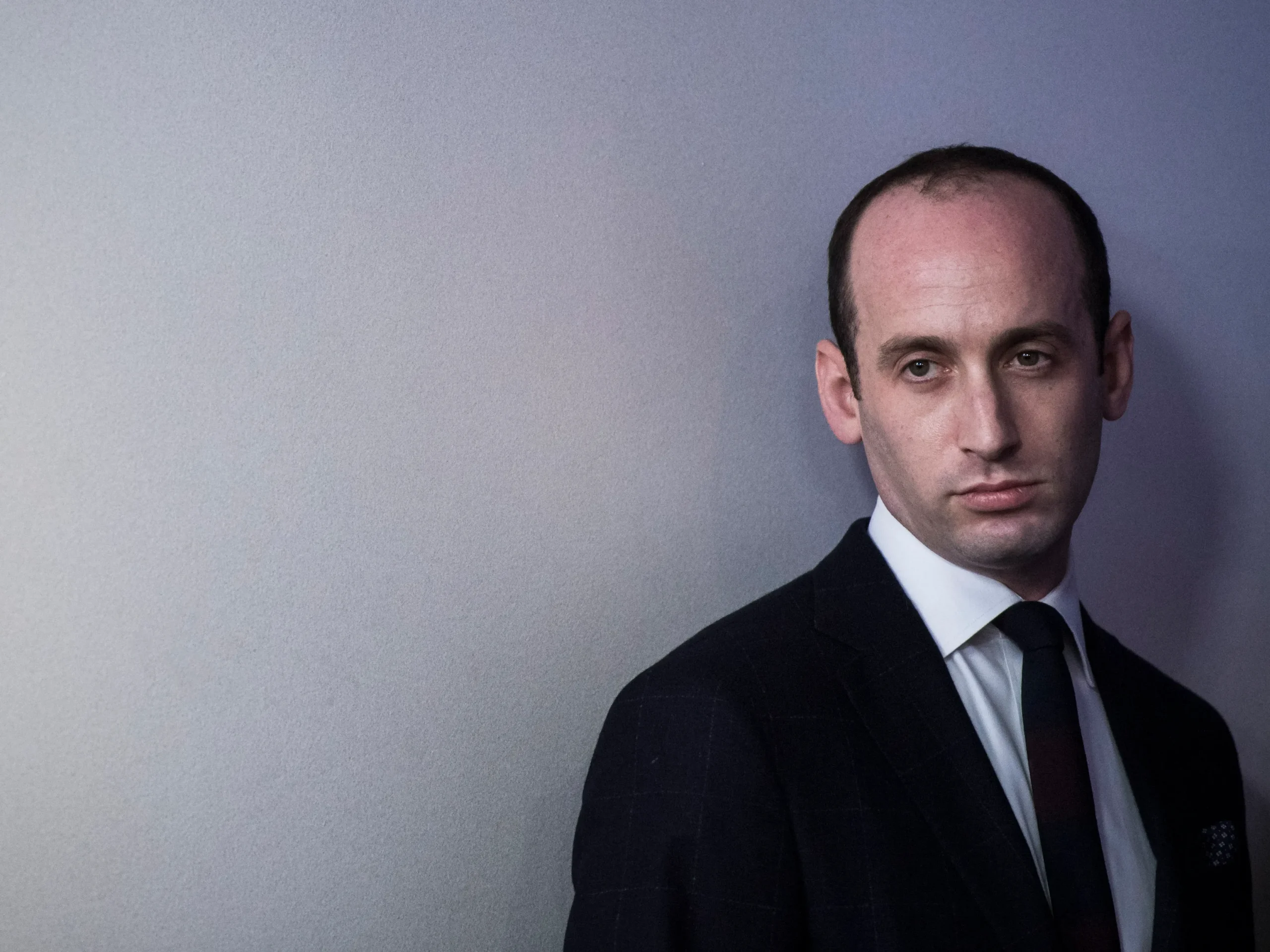
Stephen Miller has spent more than a decade articulating a clear, unapologetic vision of America—one rooted in sovereignty, order, and the belief that the United States is worth defending in full. As he assumes the role of White House Chief of Staff, that vision has come into sharper focus: a country that controls its borders, rejects political violence, restores the primacy of the citizen, and refuses to apologize for its existence.
At the center of Miller’s thinking is the simple proposition that a nation cannot survive if it cannot decide who enters it. Open borders are not a moral achievement; they are a policy of self-erasure. Under his influence, immigration enforcement has been treated not as a secondary issue but as the foundation of every other public good—wages, schools, hospitals, and social trust. Without a secure border, the American working class is forced to compete with the world, and the social contract frays. Miller’s America is one in which citizenship means something again: a privilege that carries both rights and obligations, not a status available to anyone who crosses a line on a map. He has long described the practical goal in blunt terms: seal the border and deport those here illegally.
Equally central is the insistence that political violence cannot be normalized. In remarks at the July 16, 2026, Ministerial on the Resurgence of Political Terrorism, Miller described left-wing extremism as a “fatal cancer to civilisation” that, left unchecked, “always becomes a Gulag.” He argued that the administration’s National Security Presidential Memorandum 7 directs law enforcement and intelligence agencies to disrupt, identify, defund, debank, arrest, and prosecute political terrorists operating in the country, framing such violence as a direct threat to the survival of the republican form of government.
The response he favors is not censorship of ideas but the straightforward application of the law: prosecute those who engage in violence, defund programs that reward it, and reclaim universities as places of inquiry rather than indoctrination. Order, in this view, is not the enemy of liberty; it is the precondition for it.
Miller’s vision also rejects the idea that American success is accidental or immoral. In his November 6, 2026, remarks at Mar-a-Lago—hours after being named Chief of Staff—he credited Trump with saving the military from collapse, the economy from destruction, the border from annihilation, and the country from threats at home and abroad that would have ended the American dream. He described it as the privilege of a lifetime to have joined Trump in 2015 and pledged “absolute loyalty, unwavering commitment, and total devotion” to the president’s success and the country’s.
A strong America, in his telling, is not a threat to the world; it is the necessary counterweight to adversaries who do not share its restraints. That strength begins at home: secure borders, a military that is ready rather than politicized, and an economy that prioritizes American workers over global supply chains.
Underlying all of this is a rejection of guilt as a governing principle. Miller’s America does not exist to atone for its past or to dissolve into a borderless managerial state. It exists to secure the conditions under which ordinary citizens can raise families, practice their faith, and pass on a country better than the one they inherited. That requires leaders willing to say, without apology, that the American experiment is worth preserving—and that those who seek to overturn it by force or by demographic replacement will be opposed.
As Chief of Staff, Miller now has the opportunity to translate that vision into the daily machinery of government. Whether the country embraces it will depend less on rhetoric than on results: fewer illegal crossings, fewer campuses that tolerate violence, and a public that once again believes its government is on its side. For those who share his premises, the alternative is not a gentler America. It is a weaker one.
Sources
- Newsweek reporting on the November 6 Mar-a-Lago remarks
- Financial Times coverage of the July 16, 2026, terrorism summit remarks
- Washington Examiner on earlier immigration statements
#AmericaFirst #StephenMiller #SecureBorders #LawAndOrder #MAGA #ChiefOfStaff #Sovereignty


