

STF’s Power Grab: Moraes Delays Constitutional Law to Shield January 8 Narrative
Byline: A Voice for Institutional Sanity-By Hotspotnews
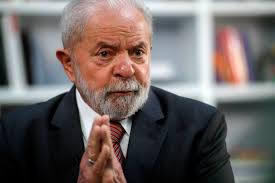
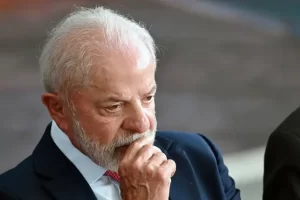
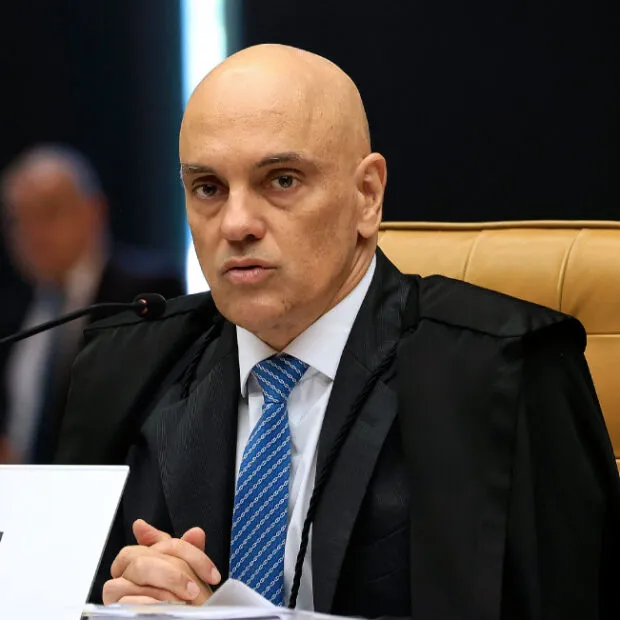
In a move that exemplifies the ongoing tension between Brazil’s elected branches and an increasingly assertive Supreme Federal Court (STF), Minister Alexandre de Moraes has inserted himself once again into the heart of democratic decision-making. Just days after Senate President Davi Alcolumbre lawfully promulgated the Lei da Dosimetria (Law 15.402/2026), Moraes ordered President Lula and Alcolumbre himself to formally “manifest” their positions on the new legislation—along with the Attorney General’s Office (AGU) and Prosecutor General’s Office (PGR)—within tight deadlines. This is not neutral procedure. It is judicial theater designed to slow, if not ultimately neuter, a law passed by Congress over presidential veto.
The facts are straightforward and constitutionally clear. Congress approved changes to sentencing guidelines (dosimetria) for crimes against the Democratic State of Law. President Lula vetoed the measure earlier this year. Both houses of Congress overrode that veto with the required majorities. When Lula failed to promulgate the bill within the constitutional 48-hour window after the override, Alcolumbre fulfilled his duty under Article 66 of the Constitution and signed it into law. This is not loophole politics; it is the plain text of Brazil’s supreme law operating as intended. The legislative branch asserted its will, checked the executive, and produced a statute now in force.
Yet almost immediately, left-wing actors—including the PSOL-Rede federation and the Brazilian Press Association (ABI)—rushed to the STF with Direct Actions of Unconstitutionality (ADIs). Their core objection? The law might allow judges to recalibrate sentences for those convicted in connection with the January 8, 2023 events at the Three Powers plaza. For many Brazilians who view those events as chaotic protest rather than a coordinated “coup,” this possibility represents overdue proportionality. For the establishment left and the dominant faction at the STF, any softening of penalties threatens the foundational narrative that has justified years of investigations, preventive detentions, and heavy sentences.
Moraes, who has effectively become the central figure in all January 8-related matters through a combination of initial random assignment and the “prevention” rule, now controls the timeline. By demanding formal responses from the very political actors who just exercised their constitutional prerogatives, he extends uncertainty. The law remains on the books, but its practical effects—particularly requests for sentence revisions by defendants, including former President Jair Bolsonaro—are frozen in limbo pending his decision on a possible injunction (liminar). This is classic Brazilian judicial activism: the Court does not merely review; it delays and shapes political outcomes.
Critics of the law argue that crimes against the democratic order demand unwavering severity, pointing to constitutional language about inafiançable and imprescriptible offenses. That is a legitimate debate. What is harder to defend is the speed and predictability with which challenges to center-right legislative victories land before the same minister who has presided over the expansive January 8 docket. The concentration of power in one gabinete on such politically charged issues raises serious questions about institutional balance. When Congress acts within its enumerated powers—approving bills, overriding vetoes, and promulgating laws—it should not face immediate judicial roadblocks that effectively substitute the judge’s preference for the sovereign will of the elected legislature.
This episode fits a larger pattern. For years, segments of the Brazilian right have warned that the STF has expanded its role from constitutional guardian to de facto super-legislature and super-executive. Tools like “preventive” arrests, broad injunctions, and the routine judicialization of policy disputes have eroded public trust. The Lei da Dosimetria case is particularly revealing because it touches directly on proportionality in criminal sentencing—a bedrock principle of liberal democracy. Harsh penalties may be justified for genuine threats to the Republic, but when applied selectively or inflated for political effect, they risk becoming instruments of persecution rather than justice.
Supporters of the law, including many who believe the January 8 prosecutions swept too broadly, see the dosimetria reform as a corrective mechanism. It does not automatically pardon anyone; it restores judicial discretion in calibrating punishment to actual conduct, evidence, and individual culpability. That flexibility should be welcomed across the spectrum by anyone concerned about due process. Instead, it has triggered immediate institutional panic from those invested in maintaining maximum pressure on the right.
As responses flow in over the coming days, Brazilians should watch closely. Will the STF respect the separation of powers and allow the law to stand, permitting case-by-case revisions? Or will Moraes and the Court once again prioritize narrative control over constitutional form? The promulgation by Alcolumbre was a victory for legislative dignity. The real test now is whether the Judiciary will accept that victory or treat it as a problem to be managed.
In the end, democracy requires not only free elections but also mutual respect among branches. When one branch—especially the unelected one—consistently positions itself as the final arbiter of political disputes, it ceases to be a check and becomes a choke point. The Lei da Dosimetria saga is not merely about sentencing technicalities. It is about whether Brazil’s institutions will honor the constitutional framework or continue bending it to protect one political interpretation of recent history. The coming weeks will provide another data point in that larger struggle.
ELECT FLAVIO BOLSONARO