


Congressional Power Play Risks Turning Public Funds into Electoral Tools: The LDO 2026 Controversy Involving Cláudio Cajado and Davi Alcolumbre
Supreme Court Justice Deadlines Lula and Senate Chief in LDO Scandal
By Hotspotnews
In a move that has drawn sharp criticism from defenders of electoral integrity, Brazil’s Congress has embedded a controversial provision into the Lei de Diretrizes Orçamentárias (LDO) for 2026 that critics warn could facilitate the use of taxpayer resources for political advantage in the upcoming elections. Central to this development are Deputy Cláudio Cajado (PP-BA) and Senate President Davi Alcolumbre (União-AP), whose actions have placed the legislative branch at odds with both the executive’s veto and longstanding electoral safeguards.
The flashpoint is Article 95 of the LDO 2026. This clause stipulates that the donation of goods, values, or benefits by the public administration, when accompanied by an “encargo” (some form of counterpart obligation on the recipient), does not constitute a violation of the Electoral Law’s prohibitions. Specifically, it creates an exception to rules barring public agents from transferring resources from the Union to states and municipalities in the three months preceding elections. Proponents frame it as a practical measure to allow legitimate public investments to continue without bureaucratic paralysis. Detractors, however, see it as a dangerous loophole that could enable disguised electoral clientelism.
The Amendment’s Origins with Cláudio Cajado
The provision originated as an amendment introduced by Deputy Cláudio Cajado during the review of the LDO project in the Comissão Mista de Planos, Orçamentos Públicos e Fiscalização (CMO). Cajado, a longtime congressman from Bahia affiliated with the Progressistas party, has often positioned himself as a voice for greater legislative control over budgetary execution and flexibility in federal transfers.
Conservative observers argue that such amendments reflect a broader congressional strategy to expand influence over the purse strings, often prioritizing local and regional interests over national fiscal discipline or impartial electoral rules. By inserting language that relaxes restrictions precisely in an election year—2026 features presidential, gubernatorial, and congressional races—the amendment raises questions about whether the intent was to smooth the path for resource flows that could bolster political allies at the municipal and state levels. Cajado’s role underscores how individual lawmakers can shape major budgetary guidelines through committee processes, sometimes with limited public scrutiny until after passage.
Davi Alcolumbre’s Role in the Override and Promulgation
Davi Alcolumbre, as President of the Senate and the National Congress, played a pivotal procedural role in bringing the provision to life. President Luiz Inácio Lula da Silva had vetoed the clause, along with dozens of others in the LDO, citing concerns over constitutionality and potential conflicts with electoral norms. In a joint session of Congress on May 21, 2026, lawmakers overrode the relevant vetoes by absolute majority.
Alcolumbre then promulgated the reinstated devices, publishing them in the Diário Oficial da União on May 27, 2026. During related proceedings, he emphasized the fiscal challenges facing small municipalities and the need to facilitate access to federal resources and agreements. He highlighted the importance of the session for allowing prefeituras across Brazil to implement public policies amid budgetary constraints.
From a conservative standpoint, this sequence illustrates congressional assertiveness against the executive branch. While Alcolumbre presented the override as support for beleaguered local governments, skeptics view it as part of a pattern where legislative leaders broker deals that increase spending flexibility and pork-barrel opportunities. With elections looming, the timing amplifies concerns that such measures could distort competition by giving incumbents or aligned local officials enhanced access to federal largesse under the cover of an “encargo.”
Broader Implications and Conservative Concerns
The Novo party has challenged the provision before the Supreme Federal Court (STF), arguing it lacks thematic relevance to the Union’s budget guidelines, violates principles of electoral anteriority (by taking effect less than a year before the October 2026 vote), and authorizes overly generic transfers without sufficient safeguards. The party contends this creates asymmetric advantages for those controlling public machinery, undermining candidate equality.
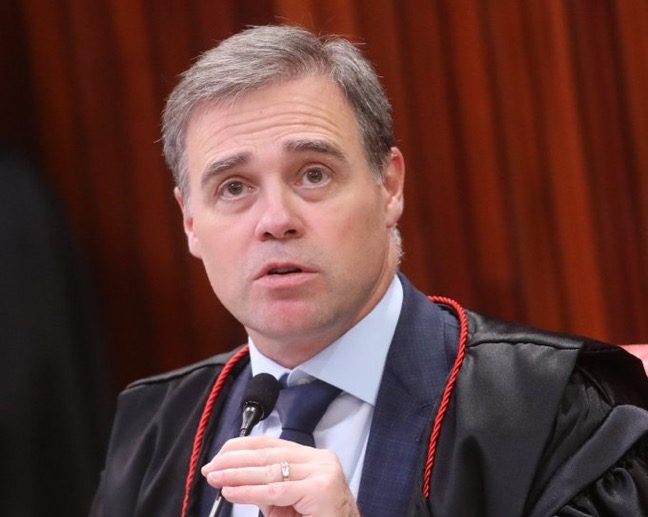
Minister André Mendonça’s recent decision to request clarifications from the Presidency of the Republic and the Presidency of Congress within five days represents a judicial check on what many conservatives see as legislative overreach. The case highlights tensions between branches of government and raises fundamental questions about the balance between enabling public investment and preserving the integrity of the electoral process.
Critics on the right argue that provisions like Article 95 exemplify a political class more focused on maintaining power networks and distributing resources than on enforcing clear rules or promoting genuine fiscal responsibility. In an era of high public debt and taxpayer fatigue, relaxing electoral spending guardrails invites abuse—whether through symbolic obligations masking straightforward transfers or through accelerated flows timed to influence voter perceptions. Lula’s veto, though overridden, at least signaled some executive awareness of the risks; Congress’s action prioritized other priorities.
The Path Forward
As Brazil heads into 2026, the LDO controversy serves as a reminder of the need for greater transparency in budgetary amendments and stricter adherence to electoral timelines. Conservatives have long advocated for reforms that limit discretionary spending, strengthen independent oversight, and reduce opportunities for clientelism. The involvement of figures like Cajado and Alcolumbre in advancing this particular measure will likely fuel ongoing debates about congressional accountability and the true beneficiaries of such flexibility—whether deserving municipalities or entrenched political interests.
The STF’s eventual ruling could clarify the constitutional boundaries. Until then, the episode stands as a cautionary tale about how seemingly technical budgetary language, advanced through committee amendments and veto overrides, can have profound consequences for democratic fairness. Taxpayers and voters deserve rules that prioritize impartiality over political expediency.