


Tensions Rise Between Brazil’s Itamaraty and U.S. Secretary of State Marco Rubio Over Bolsonaro Case and Trade Disputes
By Hotspotnews
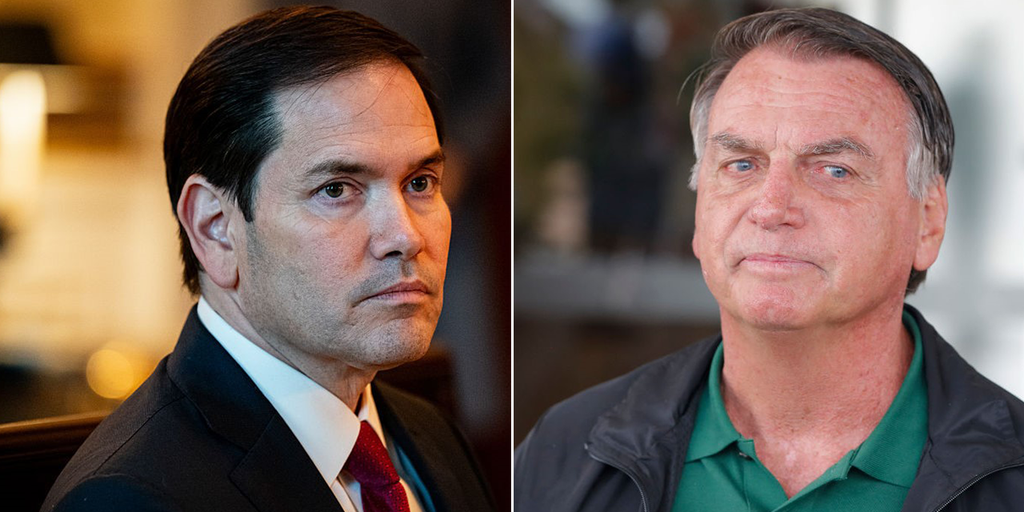
In a notable strain on U.S.-Brazil relations, Brazil’s Ministry of Foreign Affairs, known as Itamaraty, has publicly clashed with U.S. Secretary of State Marco Rubio following his sharp criticism of the Brazilian judiciary’s handling of former President Jair Bolsonaro.
The friction intensified in September 2025 after Brazil’s Supreme Federal Court convicted Bolsonaro of involvement in a plot to overturn the results of the 2022 presidential election, sentencing him to 27 years in prison. Rubio responded swiftly on social media, denouncing the proceedings as a “political witch hunt” orchestrated by Supreme Court Justice Alexandre de Moraes and other members of the court. He described Moraes as a “sanctioned human rights abuser” and vowed that the United States would “respond accordingly” to what he characterized as unjust persecution.
Itamaraty fired back with a firm rebuttal, labeling Rubio’s remarks as a direct threat to Brazilian sovereignty. In an official statement, the ministry asserted that such comments “attack Brazilian authority” and disregard the extensive evidence presented in the case. Officials emphasized the independence of Brazil’s judiciary and declared that external pressures would not intimidate the country’s democratic institutions or its response to alleged coup attempts.
This exchange was not isolated. It built upon earlier U.S. actions, including the imposition of tariffs on Brazilian imports and visa restrictions targeting Brazilian judicial figures involved in the investigations. The Trump administration has framed these measures as support for Bolsonaro, whom Rubio and allies view as a victim of political retaliation. Brazilian authorities, in contrast, see them as unwarranted interference in domestic affairs.
The dispute has unfolded against a backdrop of broader bilateral challenges. Trade tensions have loomed large, with the U.S. leveraging tariffs amid concerns over Brazilian policies and economic practices. Diplomatic engagements between Rubio and Brazilian Foreign Minister Mauro Vieira have continued, including phone calls and meetings aimed at addressing commerce, security cooperation, and potential high-level summits. Some sessions have yielded positive joint statements on collaboration, yet underlying disagreements persist.
For Brazil’s government under President Luiz Inácio Lula da Silva, the situation highlights concerns over perceived U.S. favoritism toward right-wing figures and attempts to influence judicial outcomes. Rubio’s outreach to Bolsonaro family members, such as Senator Flávio Bolsonaro, has further fueled perceptions of partisan meddling.
Analysts note that while U.S.-Brazil ties have historically been robust—rooted in shared economic interests and hemispheric security—the current episode reflects deeper ideological divides. The Bolsonaro conviction and subsequent U.S. reaction have amplified debates about democracy, rule of law, and foreign influence in Latin America.
As both nations navigate these differences, diplomatic channels remain active. Itamaraty has stressed a commitment to dialogue on mutual priorities like trade and regional stability, even as it firmly defends national autonomy. Whether these tensions will lead to lasting shifts in the relationship or be resolved through negotiation remains to be seen, but the public back-and-forth underscores the complexities of balancing sovereignty with international partnerships in an era of polarized politics.


