





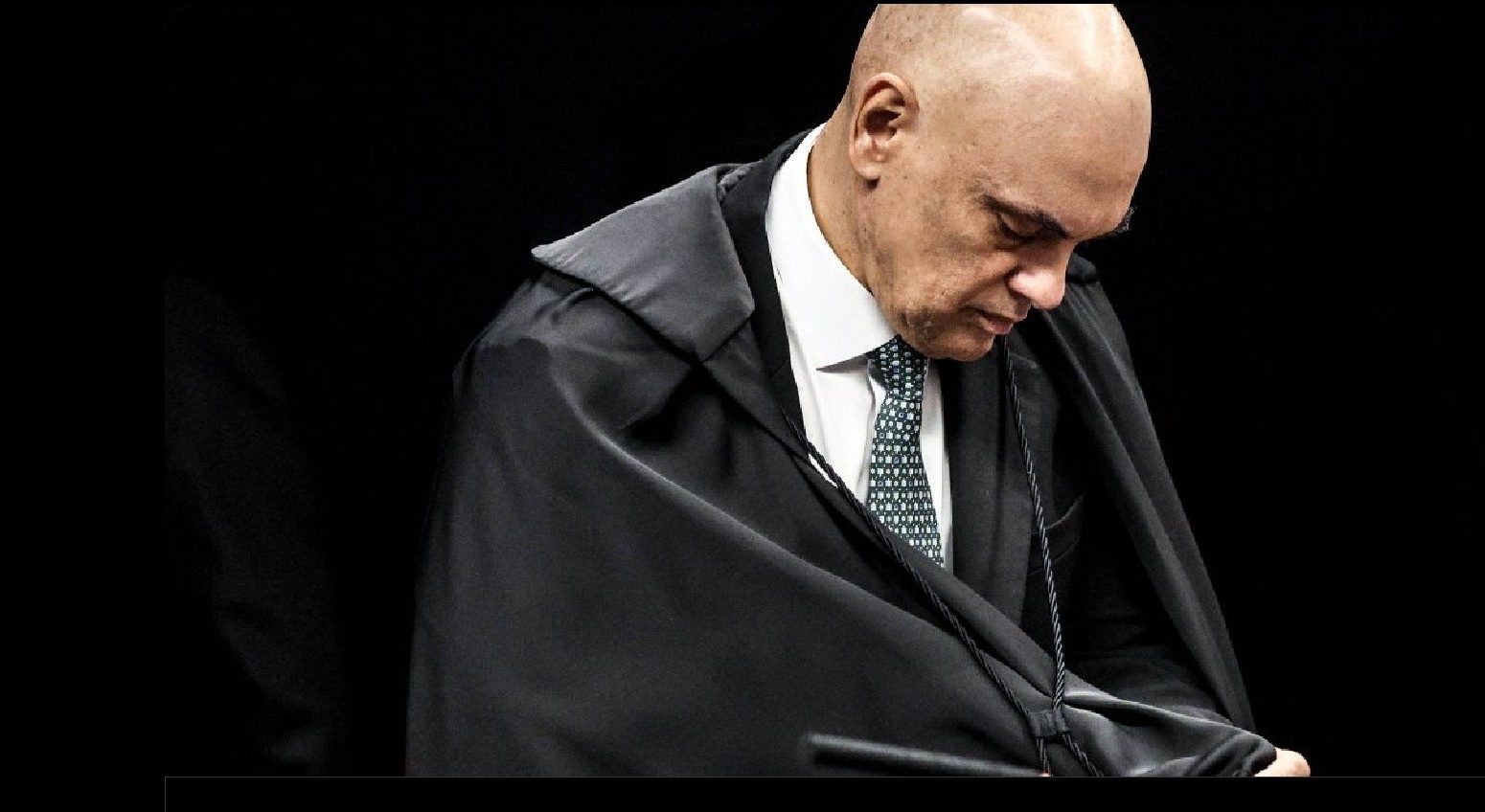
The Controversial Mansion Purchase of Alexandre de Moraes: A Tale of Wealth, Sanctions, and Speculation
By Hotspotnews
As the clock struck 8:51 PM EDT on Wednesday, September 10, 2025, the world of Brazilian politics was abuzz with a story that had ignited debates across social media and newsrooms. The spotlight fell on Alexandre de Moraes, a prominent justice of Brazil’s Supreme Federal Court (STF), whose family’s recent acquisition of a lavish R$ 12 million mansion in Brasília raised eyebrows and sparked a firestorm of speculation. This purchase, detailed in an exclusive report by Metrópoles, comes on the heels of severe U.S. sanctions imposed on Moraes for alleged human rights abuses, thrusting his personal finances and judicial integrity into the global spotlight. What follows is a deep dive into the events, the implications, and the unanswered questions surrounding this high-profile transaction.The Purchase Unveiled
The story broke on the evening of September 10, 2025, when Metrópoles published its investigation, revealing that the Moraes family had acquired a sprawling 725-square-meter mansion in Brasília’s upscale Lago Sul neighborhood. The deal, finalized at the end of August 2025, was executed with remarkable speed, with the deed signed by Viviane Barci de Moraes, the justice’s wife, in a Brasília notary office sometime between August 26 and September 5. What caught the public’s attention was the payment method: the full R$ 12 million was paid in cash, split evenly between a R$ 6 million deposit via bank transfer and another R$ 6 million handed over at the signing, with an additional R$ 240,000 shelled out for the Imposto sobre Transmissão de Bens Imóveis (ITBI), Brazil’s property transfer tax.
The property, originally purchased by the Construtora Modelo LTDA. in 2020 for a modest R$ 2.1 million when it measured 320.7 square meters, underwent a dramatic transformation. The original structure was demolished, and a new, luxurious home was erected, doubling the size to its current 725 square meters. This redevelopment, completed and registered in February 2024, set the stage for the Moraes family’s acquisition. The transaction was facilitated through Lex – Instituto de Estudos Jurídicos LTDA., a family-owned company where Viviane, an accomplished lawyer, and the couple’s three children hold stakes. This corporate structure has long been used to manage the family’s other real estate holdings, adding a layer of complexity to the financial narrative.
The Shadow of Sanctions
The timing of this purchase is impossible to ignore, occurring just weeks after the United States imposed stringent sanctions on Alexandre de Moraes. On July 18, 2025, the U.S. Department of State revoked Moraes’s visa and those of his immediate family, citing his complicity in a campaign of censorship and arbitrary detentions that violated free speech and human rights. This move was followed on July 30, 2025, by the U.S. Treasury Department’s formal designation of Moraes under the Global Magnitsky Human Rights Accountability Act, a law designed to target foreign officials for serious abuses. The sanctions included asset freezes, barring U.S. persons from dealing with Moraes’s holdings, and signaled a significant escalation in international scrutiny of his actions as an STF justice.
Moraes’s response to the sanctions was defiant. In mid-August, he publicly asserted that Brazilian courts could penalize local banks for complying with U.S. orders to seize or block his assets, leveraging Brazil’s sovereignty to shield his wealth from foreign interference. This legal stance, while controversial, created a potential loophole that has fueled speculation about the mansion purchase. Could the rapid conversion of liquid assets into real estate be a strategic move to safeguard his fortune from the reach of American authorities?
Speculation and Public Outrage
The X posts following Metrópoles’s report reveal a public deeply divided and suspicious. Users like Marcos Farias questioned how Moraes’s official salary of R$ 46,300 per month—approximately $8,200 at current exchange rates—could support such an extravagant purchase, especially given his wife’s income from her law practice. Others, like Sérgio A J Barretto, sarcastically suggested the funds might come from book sales or speaking engagements, a nod to Moraes’s reputation as a prolific legal author. Meanwhile, more pointed accusations emerged, with Francisco José Palácio hinting that the mansion might serve as a way to “desbancarizar” (remove money from banks) in light of the Magnitsky sanctions.
The timing of the Metrópoles article, released amid a critical STF judgment involving Moraes, further stoked conspiracy theories. Aisha demanded to know why the story surfaced now, implying it might be a calculated distraction or an attempt to uncover irregularities. The justice’s silence, conveyed through his refusal to comment via the STF press office, only deepened the mystery. Critics on X argued that the purchase warranted investigation, with some drawing parallels to past scandals involving public officials and unexplained wealth.
At the heart of the controversy lies the question of intent. Was the mansion purchase a prudent investment, a personal upgrade, or a deliberate effort to secure assets? Real estate has long been a favored vehicle for protecting wealth, particularly in times of political or financial uncertainty. The cash payment, unusual for a property of this value, suggests a urgency that aligns with the sanctions timeline. If Moraes anticipated that his bank accounts might be targeted—despite his legal challenges to U.S. enforcement—shifting funds into a tangible asset could insulate them from international pressure.
Yet, the counterargument holds weight. The Moraes family’s existing properties, including an STF-provided apartment in Brasília and a home in São Paulo’s elite Jardim Europa, indicate a lifestyle accustomed to affluence. The Lex Institute’s role in the transaction might reflect a long-standing family strategy for managing assets, rather than a sudden reaction to sanctions. Viviane’s legal career and the couple’s combined income could theoretically support the purchase, though the scale of R$ 12 million strains credulity without additional revenue streams—book royalties, investments, or inheritance—being disclosed.
Legal and Ethical Implications
The sanctions’ practical impact on Moraes’s finances remains unclear. The U.S. can freeze assets under its jurisdiction, but Brazilian law governs the mansion’s ownership. If the Lex Institute’s funds are legally separate from Moraes’s personal accounts, the property might evade direct seizure unless Brazilian authorities cooperate—an unlikely prospect given his judicial influence. This loophole has led some to question whether the purchase exploits a gray area in international law, a tactic not uncommon among sanctioned individuals globally.
Ethically, the situation casts a shadow over Moraes’s role as a guardian of justice. As an STF justice, he is expected to embody transparency and integrity, yet the opacity surrounding the mansion’s funding undermines public trust. The lack of comment from Moraes or the STF only amplifies perceptions of impropriety, whether justified or not. Calls for an independent audit of his finances have grown louder, though political realities in Brazil—where the judiciary often shields its own—suggest such scrutiny may face resistance.
A Broader Context
This saga unfolds against a backdrop of escalating tensions between Brazil and the United States. Moraes’s hardline stance against political dissent, including his role in investigating former President Jair Bolsonaro, has made him a polarizing figure. The U.S. sanctions reflect a broader geopolitical strategy to counter perceived authoritarianism, but they also risk straining diplomatic ties. For Brazilians, the mansion purchase symbolizes a deeper unease about elite privilege and accountability, a theme that resonates across a nation grappling with economic inequality.
Unanswered Questions and the Path Forward
As of this writing, the source of the R$ 12 million remains unverified. Did it stem from savings, Viviane’s law firm, Moraes’s intellectual property, or undisclosed investments? Was the purchase a preemptive strike against sanctions, or merely a coincidence of timing? Without financial disclosures or an official inquiry, the truth remains elusive. The Moraes family’s decision to avoid publicity about the mansion’s location—cited as a security measure—further fuels speculation about hidden motives.
The coming weeks may bring clarity, as public pressure and international watchdogs could compel a deeper investigation. For now, the mansion stands as a symbol of a larger debate: the intersection of power, wealth, and justice in a world where borders offer both protection and scrutiny. Whether Alexandre de Moraes emerges unscathed or faces reckoning, this episode has irrevocably altered the narrative around one of Brazil’s most influential jurists.


