




The Controversy Behind “A Farsa do Gópi”: A Snapshot of Brazil’s Political Divide
By Hotspotnews
As of 11:00 AM EDT on Friday, September 26, 2025, a single retweet on X has reignited debates about Brazil’s political landscape, drawing attention to the lingering tensions that continue to shape the country’s democracy. The post, shared by Roberto Ramos at 14:57 UTC on the same day, retweets a message from Brazilian politician Bia Kicis: “A farsa do gópi”—”The farce of the coup.” This concise phrase encapsulates a broader narrative of skepticism, irony, and polarization that has gripped Brazil in recent years, particularly following the 2022 presidential election and its aftermath.




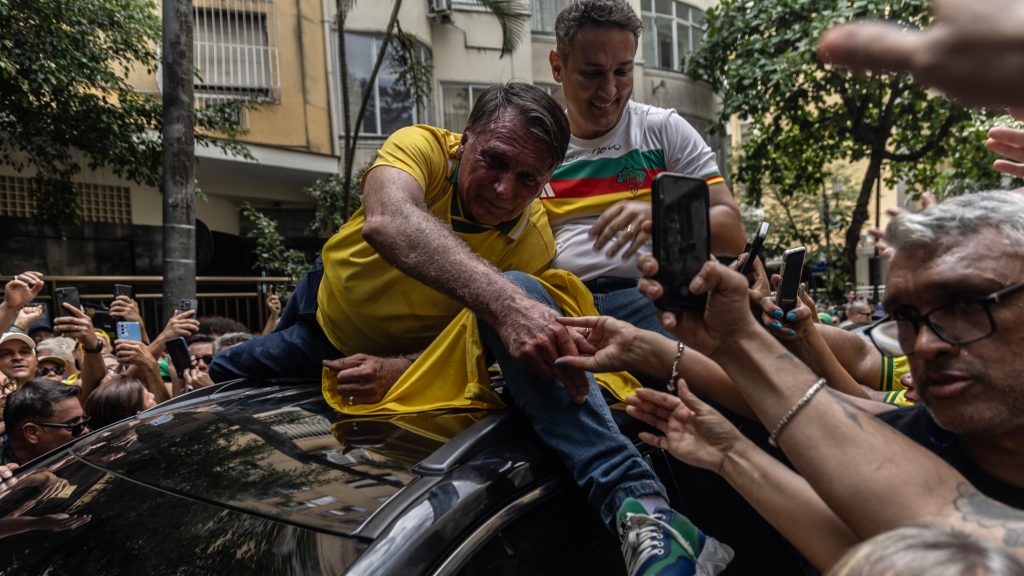
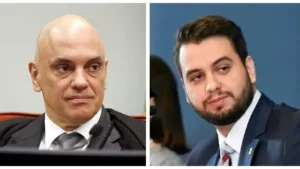
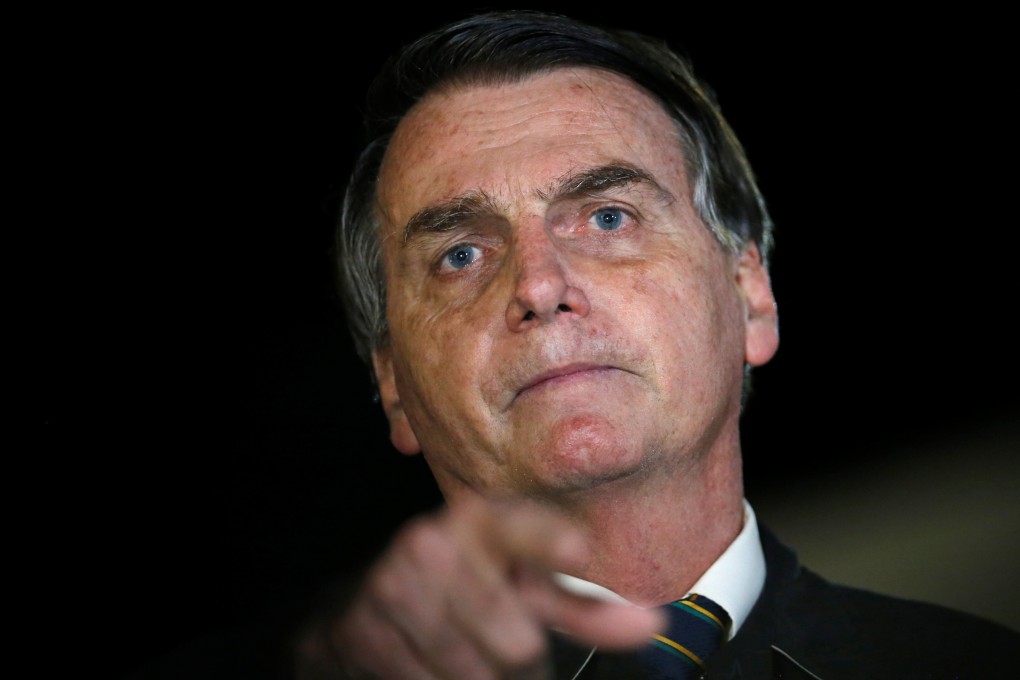
The term “gópi” itself is a playful twist on “golpe,” the Portuguese word for coup, coined by former President Jair Bolsonaro as a sarcastic rebuttal to accusations that he orchestrated a plot to undermine the election results. Just two weeks ago, on September 12, 2025, Bolsonaro was sentenced to 27 years in prison by Brazil’s Supreme Court for allegedly conspiring to retain power after losing to Luiz Inácio Lula da Silva. The ruling, which highlighted a failed coup attempt and plans to assassinate political rivals, has only deepened the divide between Bolsonaro’s supporters and the current administration. Kicis, a prominent right-wing figure known for her vocal defense of electoral transparency, appears to use the retweet to dismiss these charges as exaggerated or fabricated, aligning with a segment of the population that questions the judiciary’s motives.
This skepticism isn’t new. A recent study from the University of São Paulo, conducted in 2023, revealed that 62% of Brazilians harbor doubts about the integrity of their electoral processes, a sentiment that has fueled demands for paper ballot verification—a cause Kicis has championed. The timing of the post, just hours after a significant Supreme Court decision earlier this week, suggests it’s part of a broader wave of online rhetoric. Analysts have noted a surge in political discourse on platforms like X, with a recent report from a major news outlet describing how such moments amplify existing divisions.
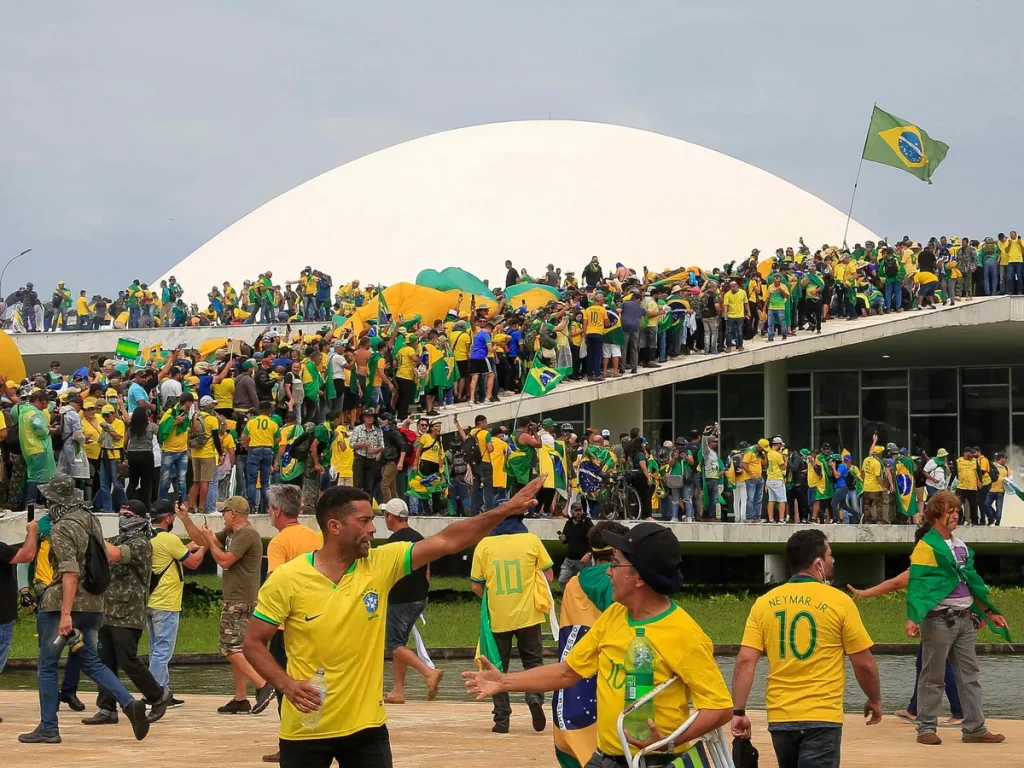
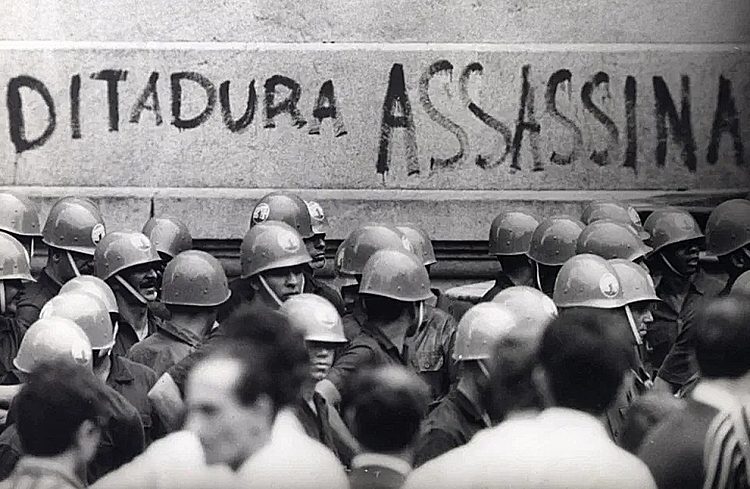
Brazil’s political scene has historically been volatile, but recent years have seen a shift. While personal attacks between leaders like Lula and Bolsonaro have decreased compared to the heated 2022 campaign, the underlying polarization persists. The storming of government buildings by Bolsonaro supporters in January 2023, cited in the Supreme Court’s recent ruling, serves as a stark reminder of how close the country came to authoritarianism. Yet, for many of his backers, including those echoing Kicis’ sentiment, these events are framed as a defense of democracy against a corrupt elite.
The retweet also reflects a broader cultural moment. The use of “gópi” has become a meme-like rallying cry among Bolsonaro’s base, blending humor with defiance. It’s a linguistic tool that dismisses serious allegations while signaling solidarity with a movement that feels marginalized by the courts and media. However, this narrative clashes with empirical evidence, such as a 2023 academic study that found no indication of fraud in the 2022 election through statistical analysis of vote counts—a finding that has done little to sway the doubters.
As Brazil moves forward, the “farsa do gópi” debate underscores a nation grappling with its identity. With the 2026 presidential election on the horizon, and Bolsonaro barred from running, the rhetoric on X and beyond will likely intensify. For now, this single post serves as a microcosm of a country where trust in institutions remains fragile, and the line between satire and subversion continues to blur. Whether this polarization will destabilize Brazil or evolve into a more constructive dialogue remains an open question—one that will shape the nation’s political future in the months and years to come.


