


The “Impeachmaço”: A Bold Stand for Accountability in a Government That Thinks It’s Above the Law
By Hotspotnews
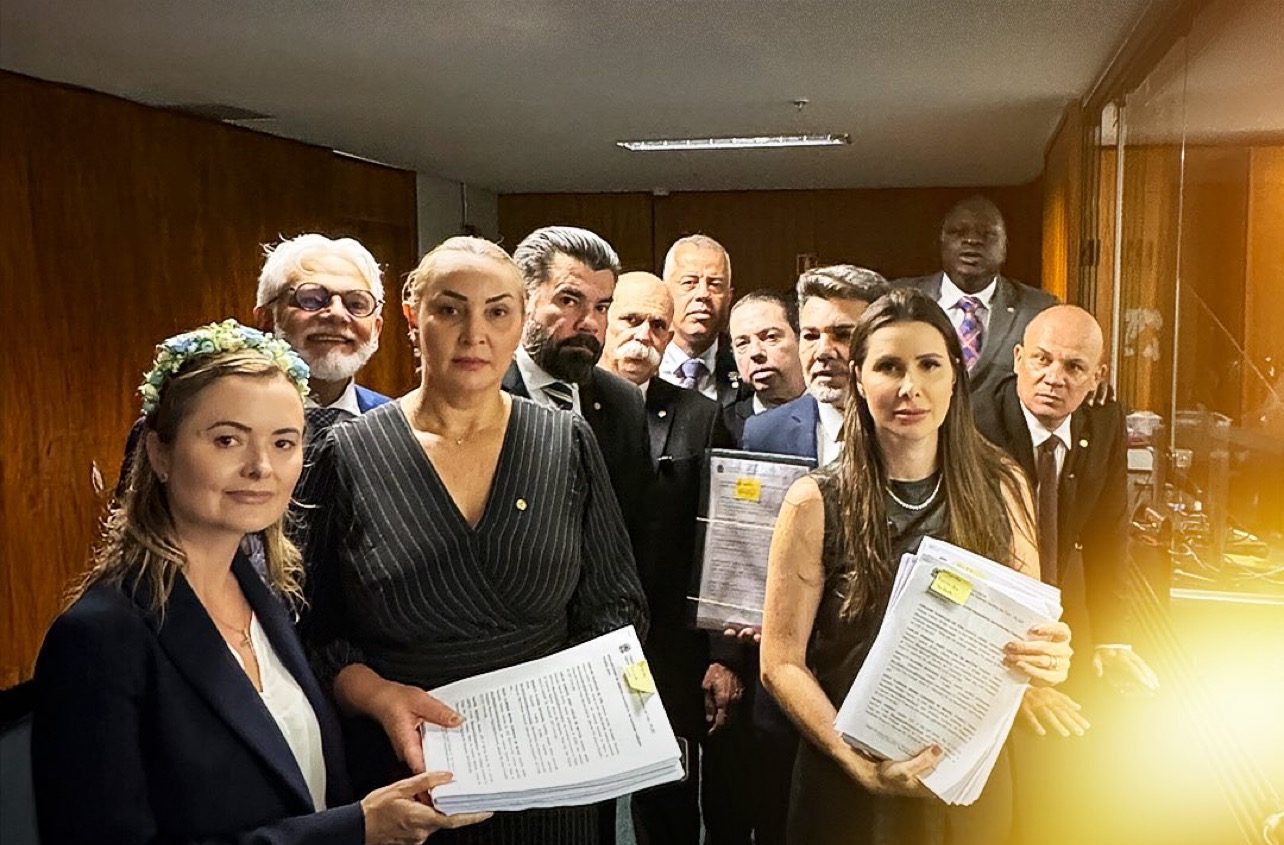
In a decisive move that underscores the growing frustration with unchecked executive power, opposition lawmakers in Brazil, led by the fearless Deputy Carol De Toni (PL-SC), have filed what is being called the largest collective impeachment request in the nation’s history—the “Impeachmaço.” This powerful initiative targets no fewer than 16 ministers in President Lula’s administration for clear violations of the Brazilian Constitution.
The core accusation is straightforward and damning: these ministers have repeatedly ignored or delayed responses to more than 54 official information requests from Congress. The Constitution is unambiguous—Article 50 requires ministers to answer parliamentary inquiries within 30 days. Failure to do so, providing inadequate replies, or furnishing false information constitutes a crime of responsibility. When nearly half the cabinet engages in this pattern of obstruction, it ceases to be an isolated oversight and becomes a systemic assault on legislative oversight.
This is not about partisan gamesmanship. It is about restoring the fundamental balance of powers that any healthy republic depends upon. Congress serves as the people’s watchdog over the executive branch, ensuring transparency in how taxpayer money is spent, how policies are implemented, and whether corruption or incompetence is taking root. When ministers stonewall these legitimate requests, they don’t just disrespect individual deputies—they disrespect every Brazilian citizen who deserves to know the truth about their government.
The list of accused ministers includes heavyweights such as Fernando Haddad (Finance), Alexandre Padilha (Health), and even José Múcio (Defense), highlighting the breadth of the problem across key portfolios. This widespread noncompliance suggests a deliberate strategy: weaken congressional scrutiny to shield the administration from uncomfortable questions about spending, administrative failures, or potential scandals.
Conservatives have long warned that the current government prioritizes consolidating power over constitutional fidelity. By treating congressional oversight as optional, Lula’s cabinet sends a dangerous message—that the executive can operate with impunity while the people’s representatives are left in the dark. Such arrogance erodes democratic institutions and invites the very corruption and inefficiency that Brazilians have fought so hard to overcome.
The “Impeachmaço” represents more than a symbolic protest. It is a clarion call for accountability, reminding all public officials that no one is above the law—not even those occupying the highest offices. Deputy De Toni and her colleagues deserve praise for refusing to normalize this executive overreach. Their march to the Supreme Federal Court to file these requests demonstrates courage in the face of a government that has grown accustomed to silence from its critics.
True patriots understand that defending the Constitution means holding every branch to account, especially when the executive shows contempt for checks and balances. The Brazilian people elected representatives to serve them, not to be stonewalled by an arrogant bureaucracy. If the courts and Congress fail to act on this clear constitutional violation, the damage to democratic trust will be profound.
The “Impeachmaço” is a necessary step toward reclaiming accountability. It is time for Brazil to choose: either the rule of law prevails, or the slide toward unchecked power continues. Conservatives stand firmly on the side of the former—because a government that hides from scrutiny is one that has something to hide.