




The Mud in the Planalto: Lula’s Minister Dragged into Major Corruption Scandal
By Hotspotnews
In the marble halls of Brazil’s Planalto Palace, where President Luiz Inácio Lula da Silva once promised a clean break from the country’s chronic corruption, another thick layer of mud is being tracked across the floor. This time, it leads straight to one of his most powerful ministers.
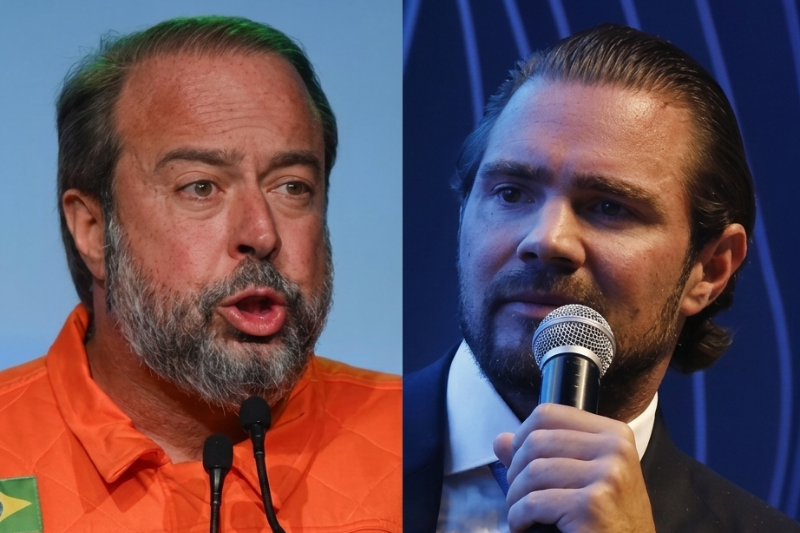
According to explosive testimony from banker Daniel Vorcaro, owner of Banco Master, Minister of Mines and Energy Alexandre Silveira received R$20 million in unreported “caixa 2” funds—off-the-books cash—for his 2022 Senate campaign in Minas Gerais. Vorcaro, now cooperating with authorities in a proposed plea deal, has identified Silveira as the first sitting member of Lula’s inner circle named in these investigations. No official records of these contributions appear in electoral filings, which is exactly what makes “caixa 2” so insidious: it is money that voters never see and regulators are never meant to trace.
This revelation lands like a bomb in a government that rode into power waving the banner of anti-corruption while quietly rehabilitating the very political machine many Brazilians thought had been exposed during the Lava Jato investigations. Silveira is not some low-level operative. As Mines and Energy Minister, he oversees multibillion-dollar contracts, energy policy, and strategic national resources—precisely the kind of portfolio that should be beyond reproach. Instead, prosecutors are now examining whether massive undeclared cash flowed to him during the same election cycle that returned Lula to the presidency.
Reports also confirm a private meeting at the Planalto Palace in late 2024 involving Lula, Vorcaro, Silveira, and others. While defenders claim the gathering was about unrelated matters, the timing raises unavoidable questions. When a banker accused of orchestrating illicit funding sits down with the president and his energy minister, Brazilians have every right to wonder what was really being discussed—and what favors might have been promised.
Silveira’s allies have rushed to dismiss the allegations as “nonsense,” claiming he barely knew Vorcaro at the time. Yet plea proposals like this rarely emerge from thin air. Vorcaro’s testimony is part of a broader probe into Banco Master’s activities, and authorities are reportedly scrutinizing whether the funds were linked to influence over government decisions in mining and energy sectors.
This scandal is more than one minister’s problem. It is emblematic of a political culture in which public office is too often treated as a business opportunity. While ordinary Brazilians struggle with high taxes, inflation, and energy costs, insiders allegedly move tens of millions in secret cash. The same left-wing voices that spent years demonizing Lava Jato as a “coup” now face the uncomfortable reality of their own government being stained by similar accusations.
The mud is not just on Silveira’s shoes—it is being tracked through the highest offices of the republic. Brazilians deserve better than recycled scandals wrapped in new rhetoric. They deserve transparency, accountability, and leaders who view power as a public trust rather than a personal ATM.
As this investigation unfolds, one thing is already clear: the promise of a “clean” Lula administration is dissolving faster than the latest spin from Planalto. The Brazilian people are watching, and they have seen this movie before.


