





The Perilous Path of “Operação Imeri”: Brazil’s Dangerous Gamble
By Hotspot News
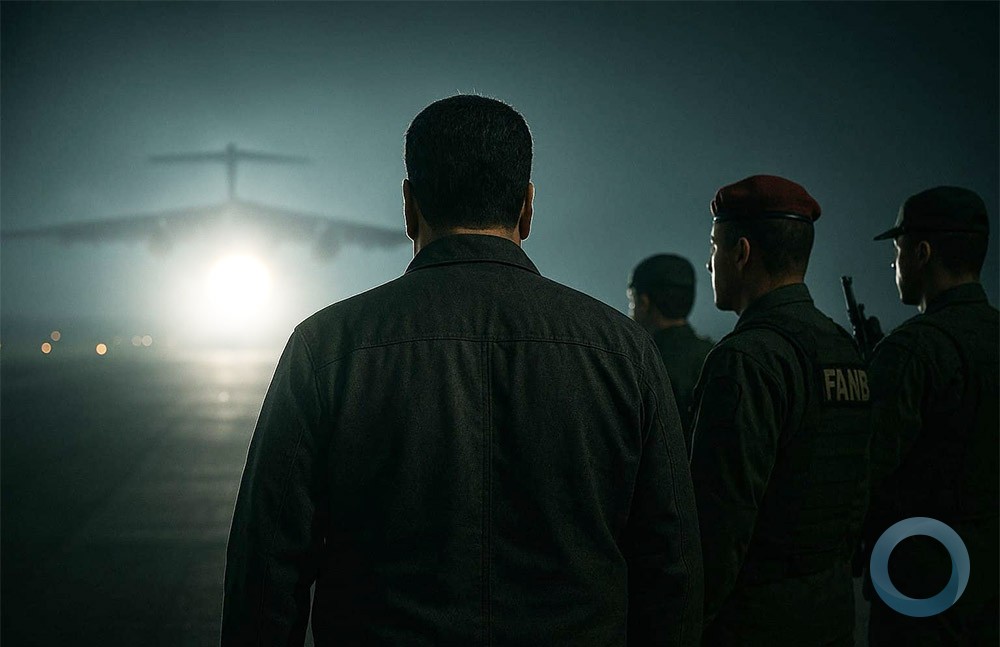
In a world where geopolitical alliances and moral clarity often intersect with dire consequences, the recent revelation of “Operação Imeri” stands as a stark reminder of the risks nations face when they stray from principled foreign policy. This clandestine operation, allegedly orchestrated by the Brazilian government under President Lula, aims to rescue Nicolás Maduro, the embattled leader of Venezuela, from the clutches of American justice. The implications of such an endeavor are profound, not only for Brazil but for the broader stability of the Western Hemisphere.
The conservative viewpoint on this matter is unequivocal: “Operação Imeri” represents a reckless abandonment of national interest and moral responsibility. The operation, as detailed by sources within the Brazilian armed forces, is a response to the United States’ recognition of Maduro as a narcoterrorist—a designation that underscores his role in drug trafficking and the destabilization of Venezuela. The U.S. has mobilized significant military assets, including destroyers, aircraft carriers, and submarines, along the Venezuelan border, signaling an imminent end to Maduro’s reign. In this context, Lula’s plan to extract Maduro and his inner circle to Brazil is not merely an act of solidarity but a dangerous gamble that could irreparably damage Brazil’s standing on the global stage.
The consequences of such an action are multifaceted and severe. Firstly, it would position Brazil as a haven for international criminals, aligning it with regimes like Iran that are ostracized for their support of terrorism. This alignment could trigger a U.S. embargo, a move that would devastate Brazil’s economy. The United States remains Brazil’s largest trading partner, and any restriction on trade would cripple industries ranging from agriculture to manufacturing. The notion that China could step in as an economic savior is a fallacy; China’s own economic ties with the U.S. would preclude it from fully compensating for the loss of American markets.
Secondly, “Operação Imeri” undermines the very fabric of Brazil’s democratic institutions. The leaked information suggests internal dissent within the armed forces, who view the operation as a misuse of their resources to protect a dictator rather than uphold national security. This dissent is a symptom of a deeper crisis of governance, where political expediency trumps ethical considerations. For conservatives, this is a betrayal of the principles that should guide a nation’s foreign policy: sovereignty, security, and the rule of law.
Moreover, the operation risks exacerbating regional instability. Venezuela’s crisis has already displaced millions, and Maduro’s continued evasion of justice would prolong the suffering of the Venezuelan people. By shielding him, Brazil would be complicit in perpetuating a regime that has plundered its nation’s wealth and suppressed its citizens. This is not merely a foreign policy failure but a moral one, as it disregards the plight of those who have suffered under Maduro’s rule.
The conservative response to “Operação Imeri” must be one of vigorous opposition. It is imperative that Brazilian citizens and international allies demand transparency and accountability from their leaders. The operation’s exposure by whistleblowers within the military is a call to action, a reminder that the defense of national interest requires not just military might but moral courage. Leaders must be held accountable for decisions that threaten the nation’s future, and the international community must stand firm against any nation that seeks to harbor criminals under the guise of political alliance.
In conclusion, “Operação Imeri” is a perilous path that Brazil cannot afford to tread. The consequences—economic isolation, institutional erosion, and regional instability—are too great. Conservatives must advocate for a foreign policy rooted in principle, one that prioritizes the security and prosperity of the nation over the protection of a disgraced dictator. The time to act is now, before the shadows of “Operação Imeri” cast a long and damaging shadow over Brazil’s future.


