


The STF’s Systematic Targeting of Bolsonaro and Brazilian Conservatives
By Hotspotnews
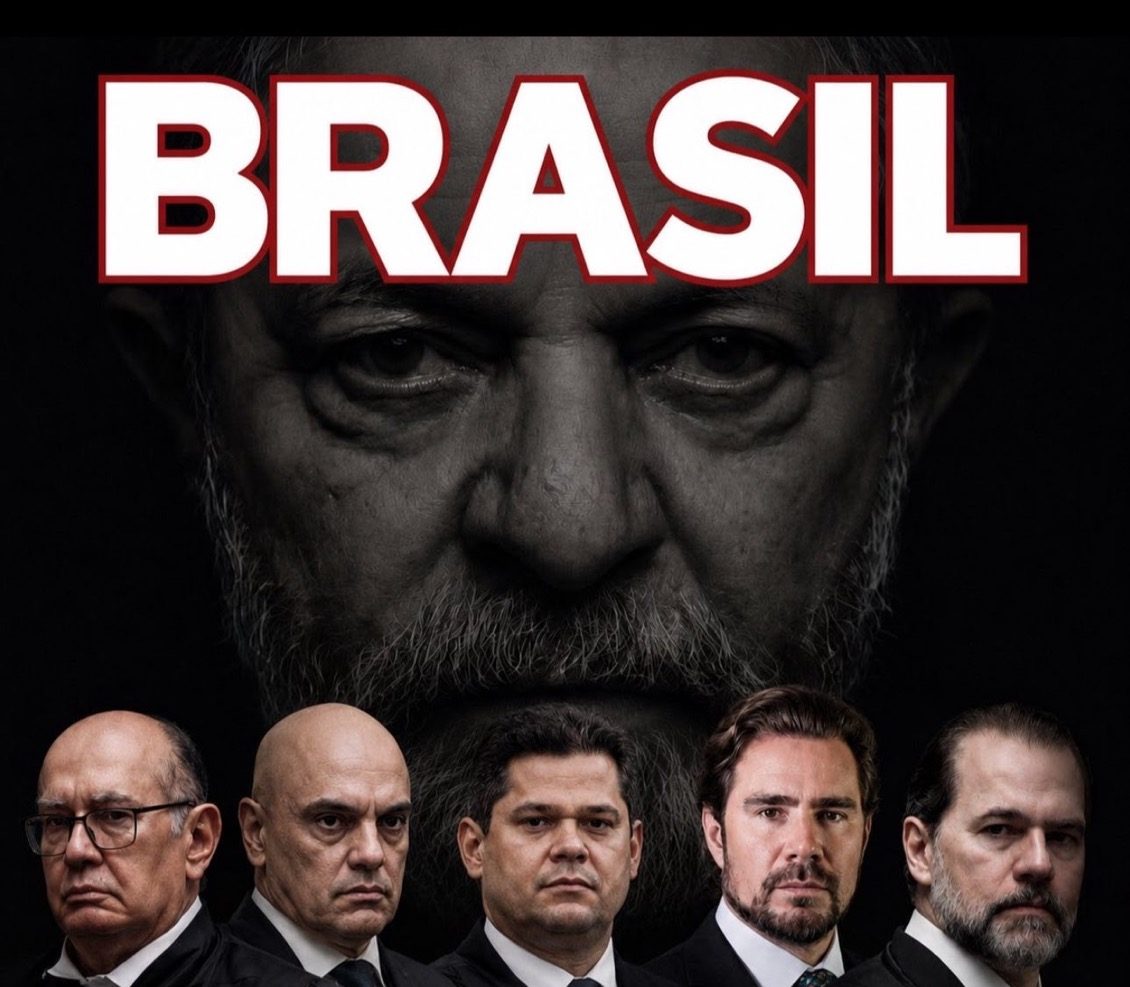
For years, a clear and undeniable pattern has emerged in Brazil: the Supreme Federal Court (STF), particularly under the influence of key justices like Alexandre de Moraes, has functioned less as an impartial guardian of the Constitution and more as a political weapon aimed squarely at Jair Bolsonaro, his family, and the broader conservative movement he leads. What we are witnessing is not neutral justice, but coordinated lawfare designed to sideline the strongest voice of the right and consolidate power for the left-wing establishment.
Look at the statistics and the timeline — they speak for themselves. Bolsonaro and his allies have faced dozens of inquiries, disqualifications, rights restrictions, and legal proceedings at a pace unmatched by politicians from other sides for comparable issues. Monocratic decisions have become the norm: social media bans, family visit suspensions, ankle monitors, and house arrest conditions that feel engineered to isolate and humiliate. From the government of Bolsonaro through the post-2022 period, this judicial siege has been relentless.
The January 8 events and subsequent investigations offer a prime example. Hundreds of convictions and probes have zeroed in almost exclusively on conservative demonstrators and supporters, while violence or excesses from opposing groups often receive far more lenient treatment. The Bolsonaro family itself bears the brunt: Flávio blocked from visiting his father, Eduardo confronting ineligibility threats, and Jair himself under humanitarian house arrest with strict limits — all routed through the same rapporteur. The timing is never coincidental, frequently aligning with election cycles or pre-candidacies to maximum political effect.
Add to this the 2022 election context. Then-TSE president Luís Roberto Barroso openly sought U.S. support to “defend democracy,” while the electoral court applied content removals and restrictions in a strikingly asymmetric fashion against Bolsonaro’s campaign. Conservatives rightly ask: where was this zeal when other political scandals unfolded?
Compounding the problem is the financial backdrop. Under the Lula government, taxpayer money flows generously to major media outlets like Globo — hundreds of millions in public advertising (over R$462 million in TV alone by late 2025, nearly half the total TV spend). This dwarfs spending in prior periods and creates an obvious alignment: friendly coverage that reinforces the STF’s narrative. When public funds subsidize the mainstream machine, “independent” journalism becomes questionable.
True conservatives do not seek impunity — they demand equal treatment under the law (isonomia). When the judiciary becomes a tool of one political side, it erodes its own legitimacy. The result is a persecuted right, an isolated former president, and a climate where challenging progressive consensus carries heavy costs: legal, financial, and social.
Brazil deserves a Supreme Court that rules by the Constitution, not by partisan agenda. Until that balance is restored, the widespread conservative conviction that the system is rigged against them is not paranoia — it is a rational conclusion drawn from observable facts, patterns, and statistics. The Brazilian people, especially those on the right, see it clearly. The question is whether the institutions will correct course before trust is irreparably broken.


