


The Strategic Brilliance Behind Trump’s Sanctions on Brazil
By Hotspotorlando News
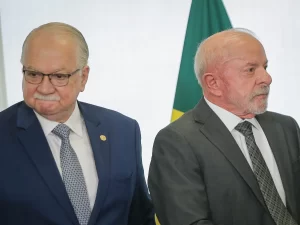
As of August 8, 2025, the geopolitical landscape between the United States and Brazil has reached a boiling point, with President Donald Trump’s recent decision to impose Magnitsky sanctions on Brazilian Supreme Court Justice Alexandre de Moraes sparking outrage in Brasília. The move, accompanied by a 50% tariff on Brazilian imports, has drawn sharp criticism from Brazil’s leftist government under President Luiz Inácio Lula da Silva, who called it an attack on sovereignty. Yet, from a conservative perspective, Trump’s actions reflect a calculated strategy to protect American interests, uphold democratic principles, and counter the rising tide of authoritarianism in Latin America—rooted in a deep-seated ideological battle that transcends mere trade disputes.
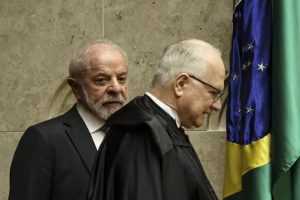
At the heart of Trump’s decision lies a firm rejection of what many conservatives see as judicial overreach by Moraes, a key figure in the trial of former Brazilian President Jair Bolsonaro. Bolsonaro, a staunch ally of Trump and a champion of conservative values, faces accusations of plotting a coup following his 2022 election loss to Lula. Conservatives argue that Moraes’ aggressive censorship, arbitrary detentions, and politicized prosecutions—actions cited by the U.S. Treasury in justifying the sanctions—represent a dangerous erosion of democratic norms. Trump, ever the defender of individual liberty and fair governance, likely views these sanctions as a necessary stand against a judiciary that has weaponized its power to silence dissent, a tactic reminiscent of the leftist regimes he has long opposed.
The timing of this move is no coincidence. With Bolsonaro under house arrest since August 4, 2025, and his son Eduardo lobbying U.S. officials for support, Trump seized an opportunity to bolster a like-minded leader facing persecution. This is not merely personal loyalty but a strategic alignment with a figure who shares Trump’s vision of national sovereignty and resistance to globalist interference—values that resonate deeply with the American conservative base. By sanctioning Moraes, Trump signals to allies worldwide that the U.S. will not stand idly by while democratic processes are undermined, especially by judges who align with socialist agendas.
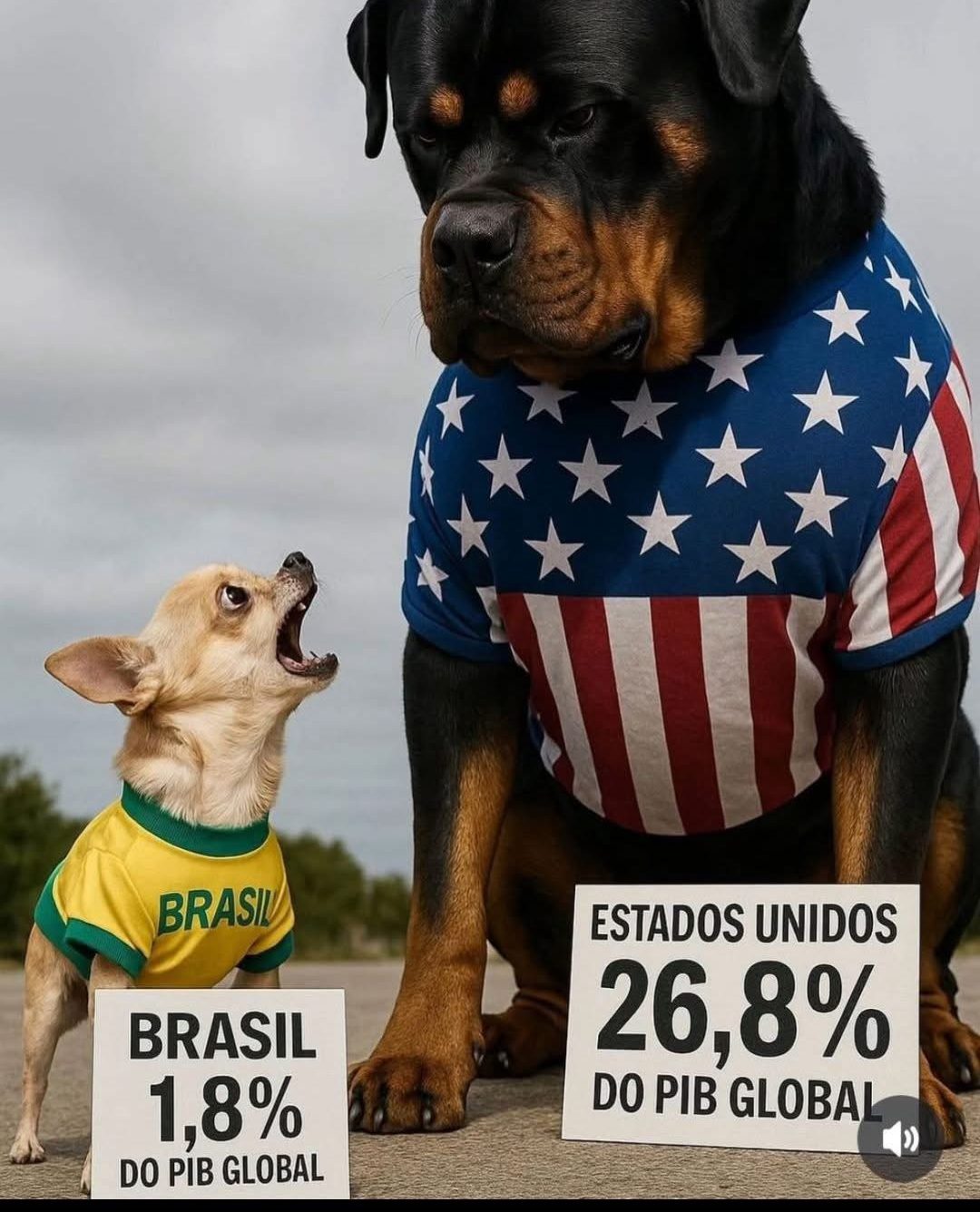
Economic considerations also play a critical role. The 50% tariff on Brazilian goods, enacted alongside the sanctions, serves as both a punitive measure and a bargaining chip. Brazil’s growing economic ties with China, underscored by 37 bilateral agreements signed during Xi Jinping’s 2024 visit, threaten to shift the balance of power in Latin America away from U.S. influence. Trump, a proponent of “America First” policies, likely sees this as an unacceptable encroachment by a communist power into the Western Hemisphere. The tariffs, targeting a significant portion of Brazil’s exports, aim to pressure Lula’s government into rethinking its Beijing pivot and re-engaging with Washington on terms favorable to American businesses and security interests.
Critics in Brazil, including the Itamaraty, decry this as interference, pointing to a cartoon circulating on social media that depicts Trump manipulating Brazilian politics like a puppet master. Yet, conservatives might argue this narrative flips reality on its head. It is Lula’s administration, with its cozy relationship with China and suppression of Bolsonaro’s movement, that invites foreign influence—namely from Beijing—into Brazil’s affairs. Trump’s actions, by contrast, are a defense of a traditional U.S. sphere of influence, harking back to the Monroe Doctrine’s call to resist external domination in the Americas.
Moreover, the Magnitsky sanctions, originally designed to target human rights abusers, are a fitting tool in this context. Conservatives contend that Moraes’ actions—stripping justices of visas, censoring media, and pursuing lengthy jail terms for political opponents—mirror the authoritarian tactics of regimes like Russia’s, against which the law was first applied. Trump’s use of this mechanism underscores a moral stance: the U.S. will not tolerate leaders who cloak tyranny in the garb of judicial independence. This decision hits Lula’s ideals in the heart, avoiding acceleration of his dictatorship plan by disrupting the judicial machinery that has enabled his administration’s authoritarian tendencies, particularly through Moraes’ unchecked power.
In the broader conservative worldview, Trump’s decision is a masterstroke of realpolitik. It reinforces alliances with right-leaning leaders, counters China’s expanding footprint, and sends a message to leftist governments globally that their overreach will face consequences. While the diplomatic fallout may be messy—evidenced by Brazil’s summoning of the U.S. ambassador—the long-term gain of a reasserted American leadership in the region outweighs short-term tensions. For Trump and his supporters, this is not just about Brazil; it’s about preserving a world order where freedom, sovereignty, and conservative values prevail against the rising tide of socialism and authoritarianism.


