





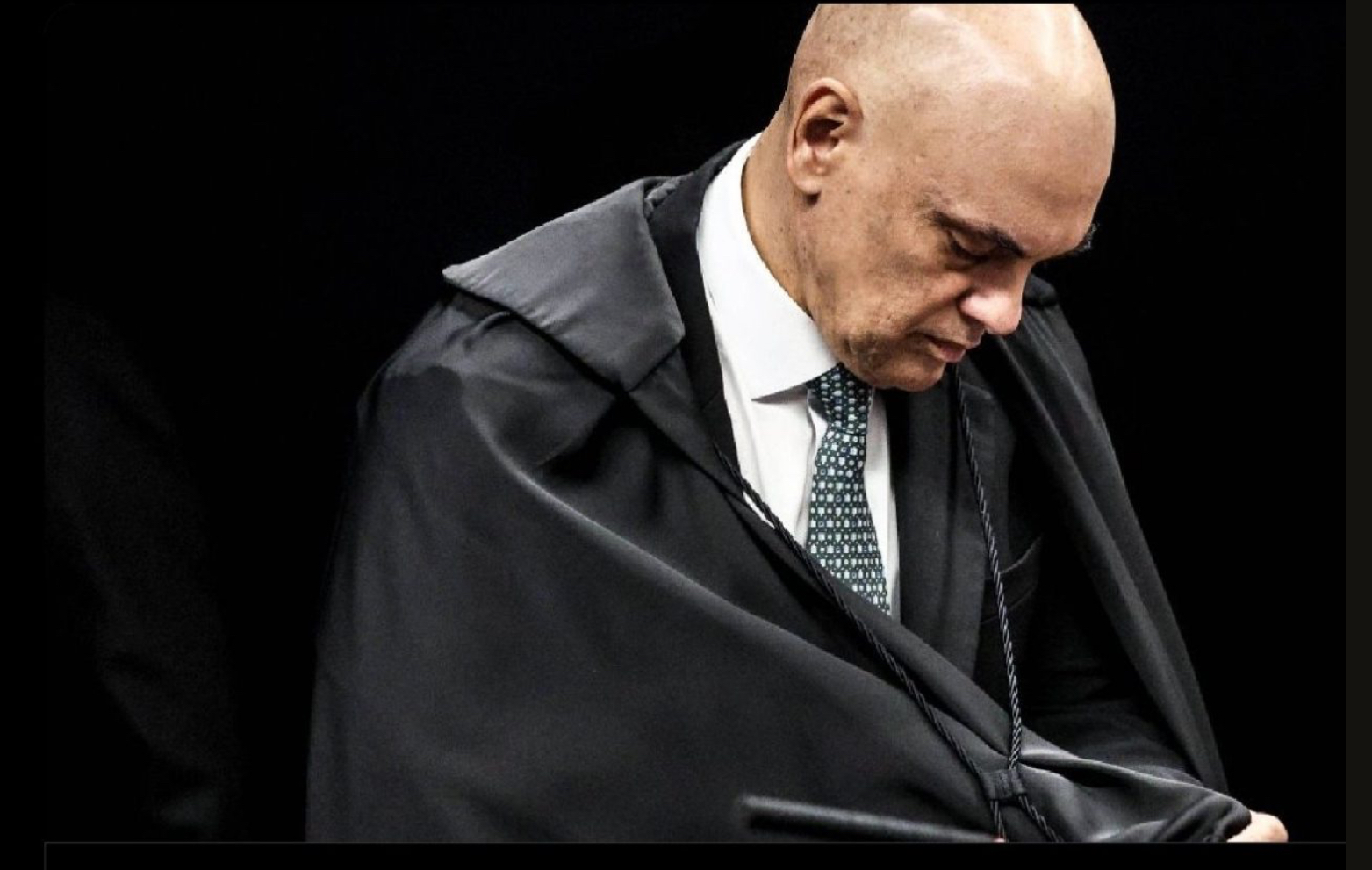
The Unmasking of Brazil’s Judicial Overreach
By Hotspotnews
A storm is brewing over the Atlantic, one that pits the sanctity of free expression against the unchecked power of Brazil’s judiciary. The latest revelation from Brazilian Supreme Court Justice Gilmar Mendes has ignited a firestorm, prompting a U.S. congressman—backed by Eduardo Bolsonaro, son of former President Jair Bolsonaro—to push for sanctions against Justice Alexandre de Moraes. This move, detailed in a document sent to the U.S. Treasury, marks a rare and bold intervention into Brazil’s internal affairs, reflecting a growing global concern over Moraes’ authoritarian tactics.
For conservatives who cherish individual liberty and the rule of law, this development is both a warning and a rallying cry. The U.S. Treasury’s decision in July to sanction Moraes under the Global Magnitsky Act—targeting him for serious human rights abuses—lays bare the extent of his overreach. Reports indicate he has frozen assets, revoked passports, and ordered raids on critics’ homes, all under the guise of combating “disinformation.” This is not justice; it is tyranny dressed in judicial robes. The fact that Moraes has extended his reach to target U.S. residents for their speech, as noted in White House statements, is an affront to the First Amendment and a direct challenge to American sovereignty.
The backdrop to this saga is equally troubling. Recent police investigations uncovered a draft asylum request on Jair Bolsonaro’s phone, suggesting he feared persecution from Moraes’ judicial vendetta following the 2022 election. This revelation, emerging in late August, paints a picture of a man and his family cornered by a justice system that has abandoned impartiality for political retribution. For conservatives, this is a familiar tale: a leftist judiciary weaponizing power to silence dissent, a pattern seen from Brasília to Washington.
Gilmar Mendes’ declaration, which seemingly spurred this international response, underscores a fracture within Brazil’s Supreme Court. While Mendes defends Moraes, his words have inadvertently fueled a counteroffensive from Bolsonaro allies, who see an opportunity to hold a rogue judge accountable. The involvement of a U.S. congressman, likely driven by shared conservative values, signals that the fight against judicial overreach transcends borders. It’s a reminder that when one nation’s leaders trample free speech, it threatens the global order conservatives hold dear.
Critics may argue this is meddling in Brazil’s sovereignty, but such claims ring hollow when Moraes’ actions cross into American jurisdiction. The U.S. has a duty to protect its citizens and companies from foreign coercion, especially when Brazilian officials demand censorship of U.S.-based platforms. This is not about imperialism; it’s about defending the principles that underpin free societies.
As this drama unfolds, conservatives must stand firm. The sanctions against Moraes, though limited by his lack of U.S. assets, are a start. They send a message that judicial abuse will not go unanswered. But more must be done—pressure on international bodies, support for Brazilian dissidents, and a unified front against the global rise of authoritarianism cloaked as progressivism. The battle in Brazil is a microcosm of a larger war for liberty, and it’s one we cannot afford to lose.


