



The Untouchable Robes: How Brazil’s Supreme Court and Its Enablers Betray the Republic
By Hotspotnews
In a healthy republic, justice is blind. In today’s Brazil, justice wears black robes, dines at exclusive whisky tastings, pockets multimillion-dollar contracts through family firms, exchanges midnight messages with fraudsters, and then archives any investigation that dares to look too closely. The Banco Master scandal is not merely a banking fraud—it is the most glaring evidence yet that Brazil’s highest judicial authorities have morphed into an untouchable elite class, shielded by complicit institutions and a prosecutor general who prefers silence to duty.
Consider the facts laid bare by leaks, forensic phone analysis, and congressional inquiries. Daniel Vorcaro, the central figure behind what Finance Minister Fernando Haddad himself called Brazil’s largest banking fraud in history, built an empire on fabricated credits, laundered billions, and left depositors and the deposit insurance system in ruins. Yet this was no ordinary criminal enterprise. Vorcaro cultivated friendships at the pinnacle of power.
His phone records reveal direct contact with Supreme Court Justice Alexandre de Moraes—including messages sent on the very morning of Vorcaro’s arrest. His wife’s law firm secured a staggering R$129 million contract with Banco Master—R$3.6 million per month for “administrative advice” that mysteriously evaporates under scrutiny. Vorcaro bankrolled lavish events, including a multimillion-real Macallan whisky tasting in London attended by Moraes, Dias Toffoli, Prosecutor General Paulo Gonet, and other guardians of the law. Family businesses tied to Toffoli received funds from entities linked to Vorcaro. The pattern is unmistakable: influence peddling disguised as socializing, corruption masked as hospitality.
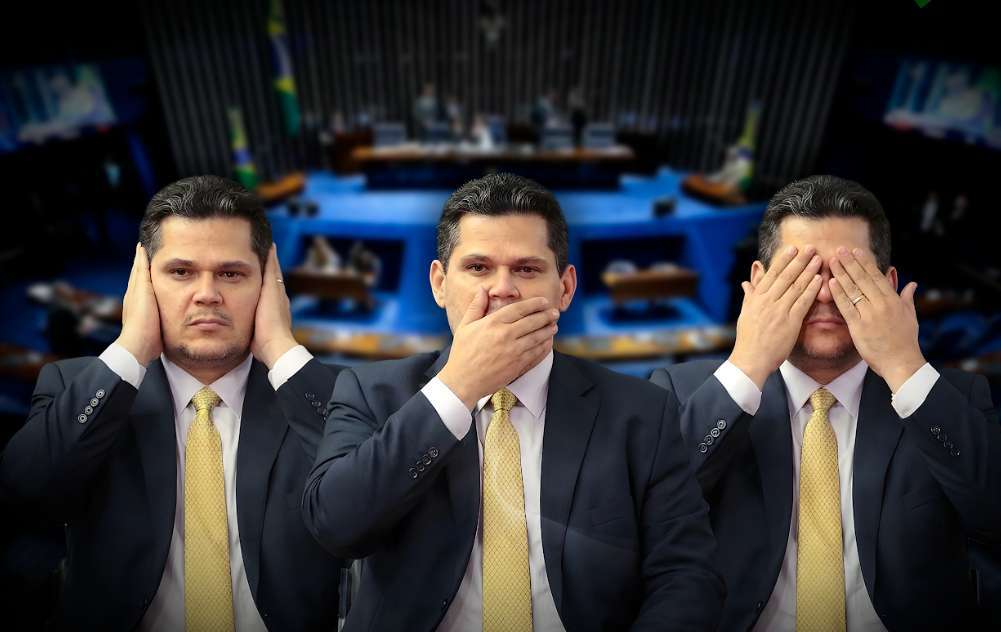
And what has been the response from the one institution constitutionally tasked with holding even the powerful accountable? Prosecutor General Paulo Gonet has repeatedly archived requests to investigate these glaring conflicts. He dismissed probes into Moraes and his family citing “insufficient evidence”—despite contracts worth fortunes, disappearing messages, and forensic proof of contact. When opposition lawmakers demanded Toffoli’s removal from the case due to his own family’s financial ties, Gonet refused. When the Senate could have acted under Article 52 to interrupt Gonet’s mandate for dereliction of duty, it remained paralyzed—another branch captured or intimidated.
This is not prosecutorial discretion. This is protection racket justice. When the Attorney General shields Supreme Court justices from scrutiny while ordinary Brazilians face swift censorship, arbitrary arrests, and ruined lives for far lesser offenses, the rule of law dies. The judiciary, meant to check power, becomes the supreme power—unaccountable, opaque, and increasingly authoritarian.
Conservatives have warned for years: absolute power corrupts absolutely, and when judges claim to defend “democracy” by silencing critics, banning platforms, and controlling narratives, they are not defending anything except their own impunity. The Banco Master affair exposes the rotten core. A banker who allegedly ran a criminal syndicate hobnobs with justices and the chief prosecutor. Millions flow to family offices. Investigations vanish into drawers. And the Brazilian people—taxpayers, savers, workers—are left holding the bill for the elite’s excesses.
The Senate must awaken from its slumber. Invoke constitutional mechanisms. Demand transparency. Remove those who betray their oaths. If Paulo Gonet will not prosecute the powerful, then the Senate must remove him. If the Supreme Court will not cleanse itself, then the people must demand reform—term limits, external oversight, real accountability.
Brazil deserves better than a judiciary that feasts with fraudsters while preaching moral superiority. The robes have become a shield for the corrupt, not a symbol of justice. The republic hangs in the balance. It is time for patriots to demand that justice finally become blind again—blind to privilege, blind to friendship, blind to power, and open only to truth.
The Brazilian people are watching. The hour for action is now.


