




They Took the Cattle Today. Tomorrow They’ll Take the Lands: Operation Pasto Nullus as the Dress Rehearsal for the Ferrogrão Railway’s Impact on the Amazon.
There is a reason for everything, everything that is happening now, is clear. The dangers are real. The injustice with the poor has a method, they are dispensable. This needs to be corrected.
By Hotspotnews
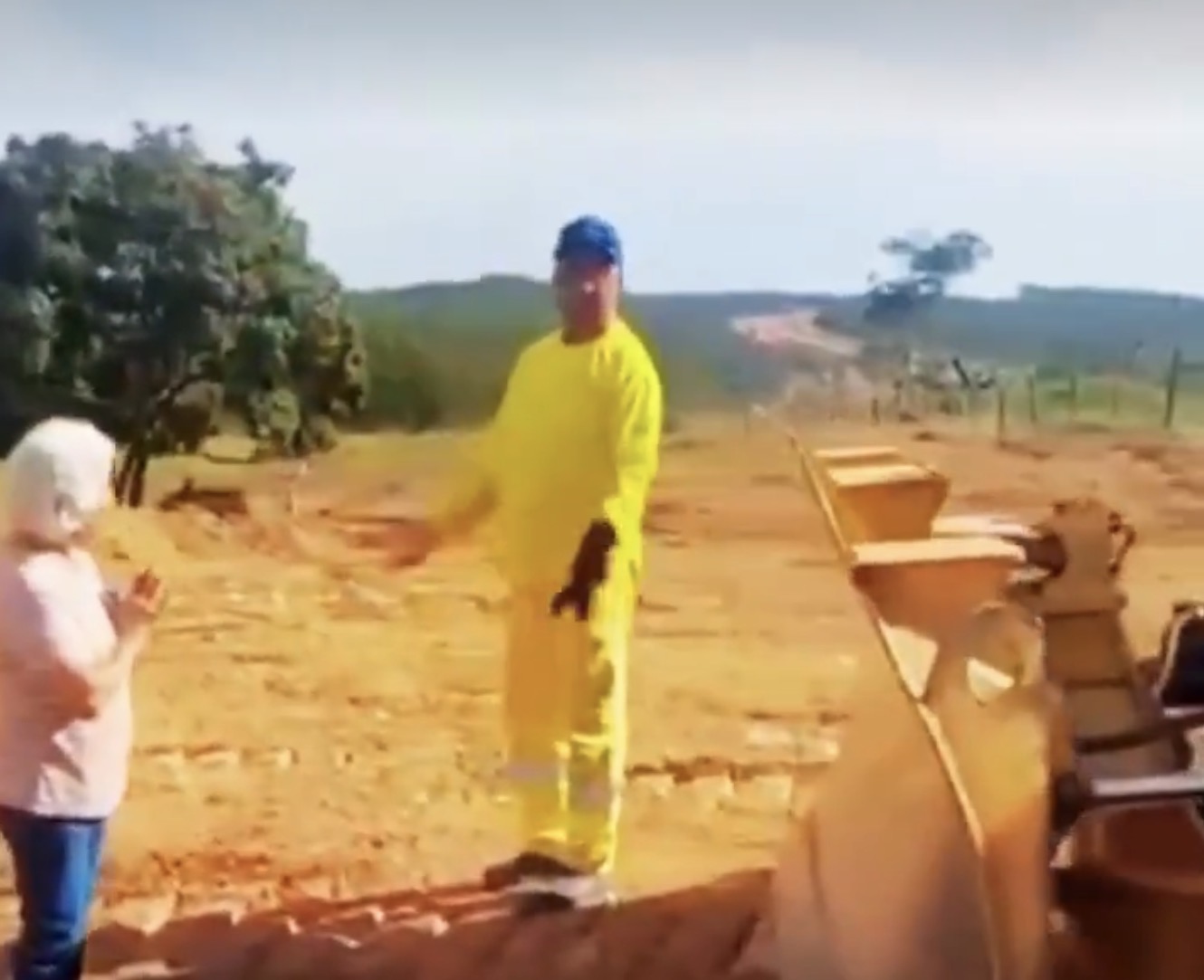
In the heart of the Brazilian Amazon, in the state of Pará, a seemingly routine environmental operation has become a flashpoint. In June 2026, Brazil’s ICMBio and the National Public Security Force launched Operation Pasto Nullus inside the Terra do Meio Ecological Station, between Altamira and São Félix do Xingu. Agents seized hundreds of cattle from local producers who had been raising livestock there for years. Residents blocked roads and released part of the herd in protest. On the surface, it was enforcement of environmental law. In reality, it may be the opening act of a much larger drama — one that the proposed Ferrogrão railway is poised to accelerate.
The Ferrogrão Route and Its Critical Location
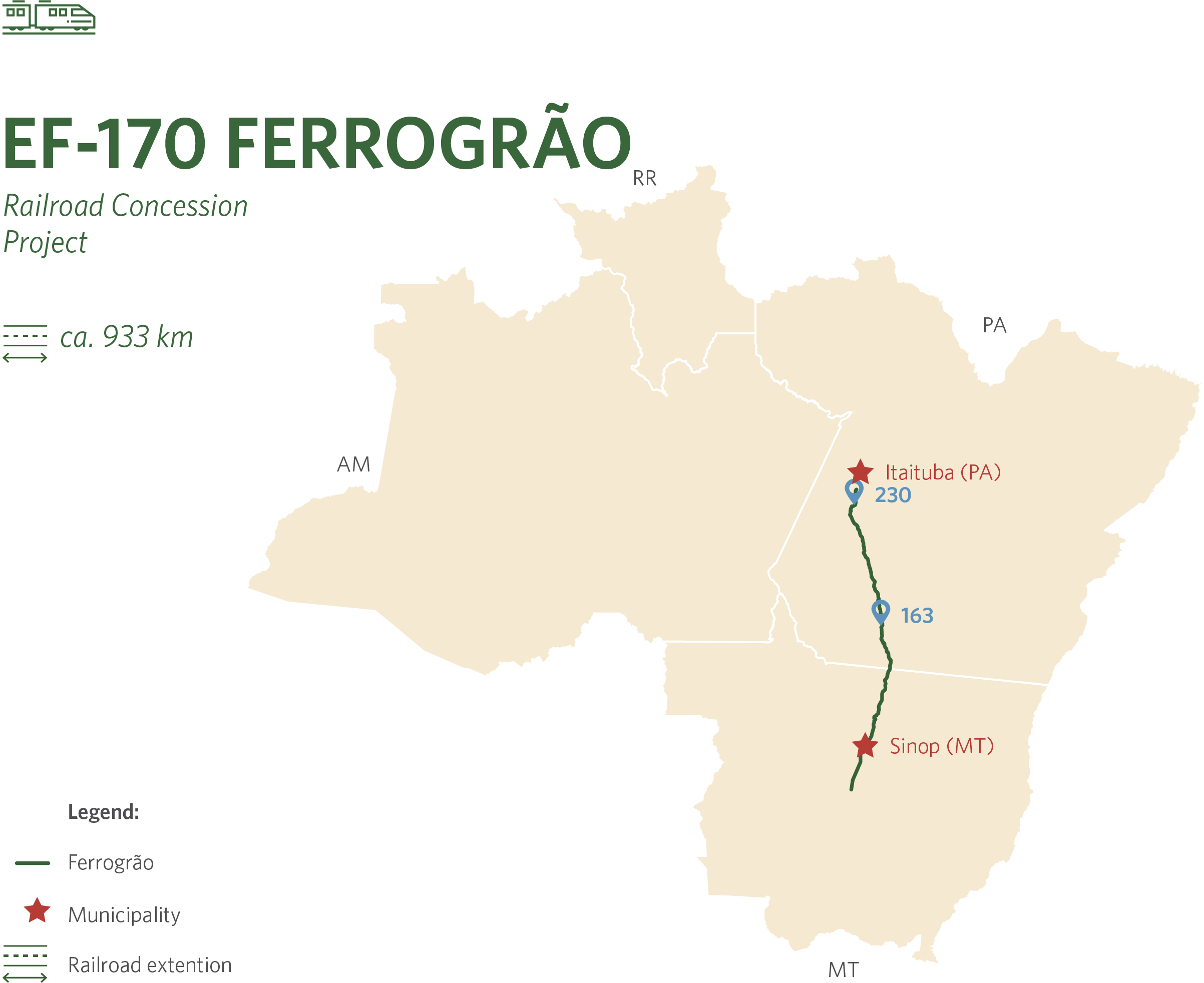

Map 1: The Ferrogrão (EF-170) Route
The proposed ~933 km grain railway runs from Sinop (Mato Grosso) to Itaituba/Miritituba (Pará), directly through high-pressure frontier zones.
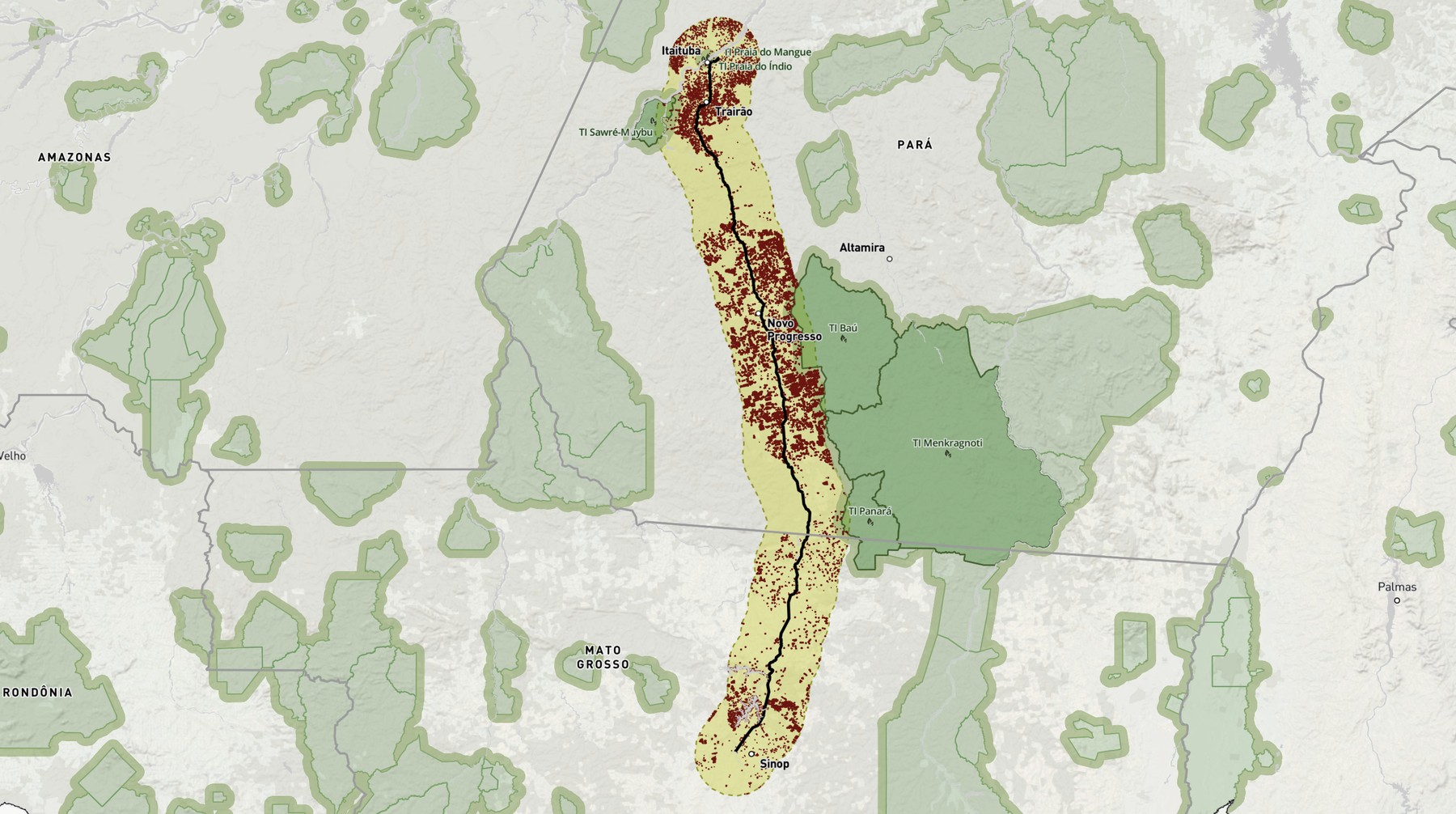

Map 2: Deforestation Pressure Along the Corridor
This detailed view shows the Ferrogrão line (black) cutting through existing deforestation (red/brown) and overlapping protected areas and indigenous territories near Novo Progresso, Itaituba, and Terra do Meio.
What Happened in Operation Pasto Nullus
The operation targeted cattle ranching inside a strict protection unit created in 2005. Under Brazil’s SNUC law, economic activities like grazing are prohibited in such areas. ICMBio reported that the pastures were on embargoed land resulting from illegal deforestation. Numbers vary by source — between roughly 90 and 247 head of cattle were involved — but the human impact was immediate.
Producers, many of them small and medium-scale operators in the Transiriri region, argue they occupied the land before the protected area was declared. They say they purchased animals, fed them, and built their livelihoods around them while awaiting land regularization. For these families, the herd represents their primary — often only — asset. Removing it without viable alternatives feels less like environmental protection and more like the confiscation of their means of survival. The operation sparked roadblocks, tension, and Federal Police investigations into the resistance.
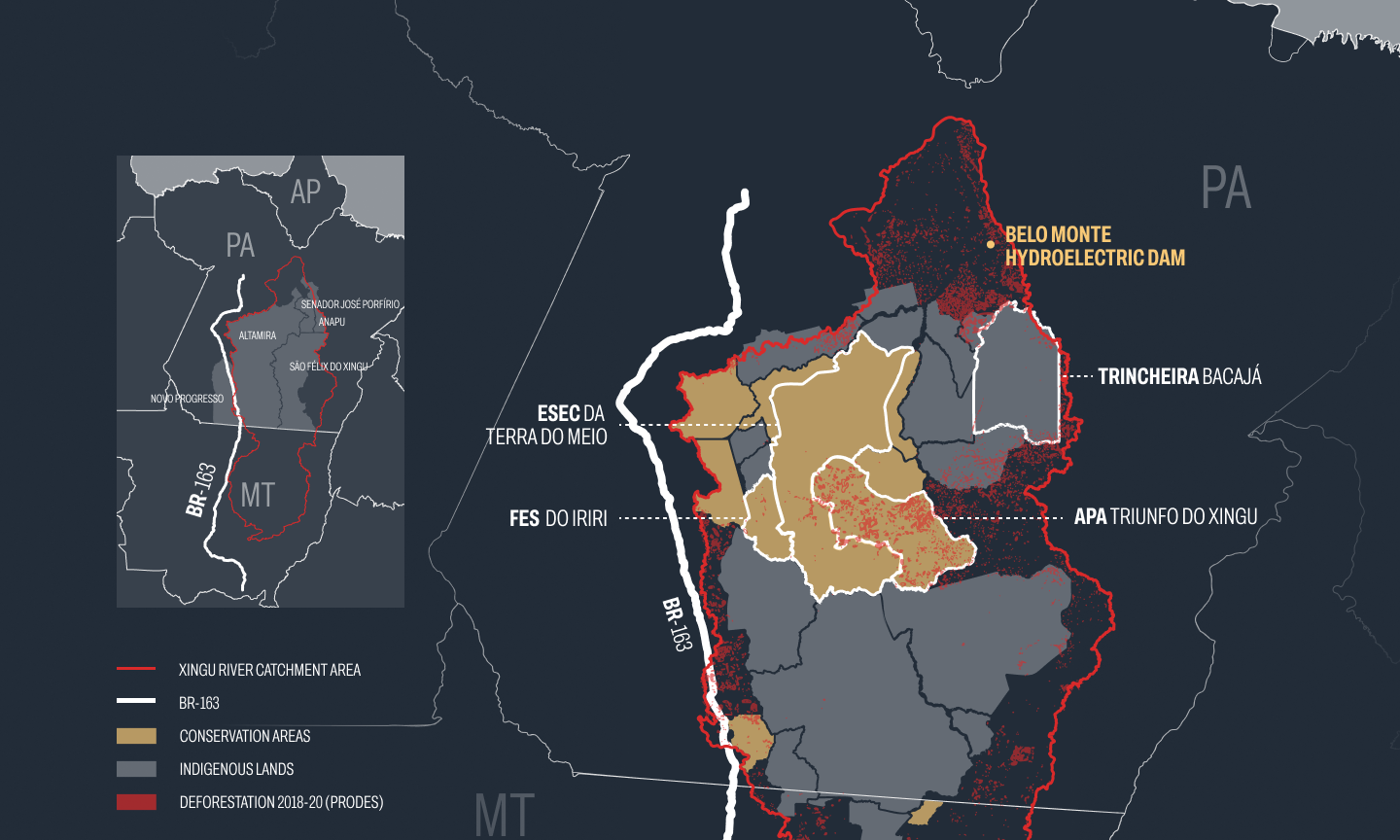

Map 3: Terra do Meio Region and BR-163 Pressure
The exact area of Operation Pasto Nullus sits along the BR-163 corridor, right in the path of the proposed Ferrogrão. Note the heavy deforestation (red) already pressing against conservation units and indigenous lands.
Existing Narco Routes in the Region
The Tapajós-Xingu-BR-163 corridor where Pasto Nullus took place is already an active drug trafficking zone. Reports from UNODC, Brazilian police, and independent analyses show:
- BR-163 ranks among Brazil’s highways with the highest cocaine seizure concentrations, serving as a key overland route after drugs arrive via rivers.
- Tapajós and Amazon rivers (plus tributaries) function as major “cocaine rivers,” transporting product from the Colombia-Peru-Bolivia triple border through Amazonas state into Pará. From points like Óbidos, drugs move onto roads such as BR-163 toward ports.
- Miritituba/Itaituba ports (Ferrogrão’s planned endpoint) and nearby hubs like Barcarena and Vila do Conde are export points for cocaine heading to Europe and beyond, often hidden in legal cargo.
- PCC and Comando Vermelho (CV) dominate or compete here: CV has consolidated influence in Pará river and road corridors; PCC focuses on logistics and southern connections. They use the same infrastructure for drugs, weapons, and money laundering via illegal mining (garimpo) and cattle fronts.
These routes already converge with illegal logging, mining, and land grabbing. A new railway would add efficient, high-volume capacity — making concealment easier and expanding laundering opportunities through boosted agribusiness.
The Pattern That Defines the Amazon Frontier
Amazon history follows a clear, repeating cycle whenever major infrastructure arrives:
Irregular occupation and initial economic activity (logging, small-scale farming, cattle).
Environmental enforcement creates conflict with local populations.
New infrastructure (roads or rails) arrives, dramatically increasing access and land values.
Mass invasions, grilagem (land grabbing), and organized crime exploit the new opportunities.
Original settlers are displaced, marginalized, or absorbed into larger, often illicit, operations.
We have seen this with the BR-163 highway, the Transamazônica, and other corridors. Each time, the promised “development” brings deforestation, violence, and weakened state control.
The Ferrogrão Factor: Pandora’s Box on Rails
The Ferrogrão would cut right through the same vulnerable zones targeted in Pasto Nullus, amplifying existing narco routes. Proponents argue it will reduce transport costs and boost exports. Critics point to the massive induced effects: land speculation, invasions, and expanded corridors for organized crime.
Once operational, the railway would provide cheap, reliable access for trucks, heavy machinery, settlers, and speculators — while offering criminal groups better logistics for drugs and laundering.
Not Against Development — Against Disorder
The region needs economic integration, but it must be orderly. Effective safeguards would include urgent land regularization, strict zoning, advanced monitoring (satellites, AI, Starlink), and robust enforcement that targets large-scale crime and narco networks rather than only small producers.
A Warning That Should Not Be Ignored
Operation Pasto Nullus is small in the grand scheme of the Amazon. Yet it carries a clear message: the mechanisms for dispossessing people and opening the frontier are already in motion — on top of pre-existing narco infrastructure. When the railway arrives, the scale will multiply.
The cattle seized in June 2026 may soon be forgotten. The lands they once grazed on will not be. The Ferrogrão is coming. The question is whether anyone will be ready when Pandora’s box opens.
Scenarios After the 2026 Election
If Flávio Bolsonaro Wins:
Expect fast-tracking of the concession with private investment in security tech, land regularization prioritized for existing producers, and strong anti-narco measures (including U.S./Israel/Elon tech partnerships). The “Secure Corridor” model becomes possible.
If Lula Wins/Re-Elected:
Slower progress with heavy environmental and judicial delays. Operations like Pasto Nullus continue against small holders, while infrastructure rollout creates unmanaged governance voids — heightening risks along already active narco routes.
Hotspotnews ALL RIGHTS RESERVED


