



Trump Administration Takes Aim at Brazilian Meat Giant JBS: A Cautionary Tale of Foreign Influence, Corruption, and American Sovereignty
By Hotspotnews
In a bold move that puts “America First” into action, the Trump administration is shining a harsh light on one of the most egregious examples of foreign control over critical U.S. food infrastructure. At the center of the storm is JBS, the Brazilian-owned meatpacking behemoth that has quietly seized dominance over America’s beef, chicken, and pork markets — often with taxpayer-backed funds from a notoriously corrupt foreign government.
JBS, controlled by the Batista brothers, Joesley and Wesley, transformed from a modest Brazilian operation into the world’s largest meat processor through aggressive acquisitions in the United States. The company snapped up major American assets, including Pilgrim’s Pride and other facilities, consolidating power alongside a handful of other giants. Together with National Beef (largely controlled by another Brazilian firm, Marfrig), Cargill, and Tyson, these four entities now command roughly 85% of U.S. beef processing capacity. This concentration didn’t happen by accident — it was fueled by cheap, subsidized capital from Brazil’s state-owned development bank, the BNDES.
How JBS Did It — With Help from Brazilian Politicians
Brazilian taxpayers, through the BNDES, poured billions of dollars in low-interest loans into JBS to fund its global expansion, including its takeover of American meatpacking plants. These weren’t arm’s-length business deals. The Batista brothers later admitted in plea deals to orchestrating one of Brazil’s largest corruption scandals, paying hundreds of millions in bribes to Brazilian politicians across multiple administrations.
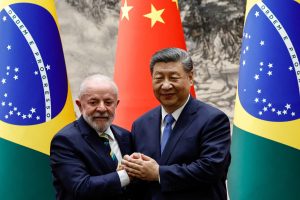
Key figures who greenlit or benefited from this arrangement included leaders from the Workers’ Party era under Luiz Inácio Lula da Silva and his successors. Loans flowed freely while JBS expanded its U.S. footprint, effectively using public Brazilian money — some of it indirectly tied to American interests — to undermine U.S. producers. Once entrenched, JBS and its allies were accused of classic anticompetitive tactics: manipulating processing capacity to drive up prices for American consumers while squeezing family ranchers and farmers on the supply side.
The result? Skyrocketing beef prices that hammered working American families, record profits for foreign owners, and a vulnerable food supply chain increasingly beholden to overseas interests. This mirrors the very real national security threats the U.S. has long warned about with Chinese ownership of farmland and ports — only this time, it’s playing out in our grocery aisles and dinner tables.
The High Cost to America
The consequences have been painful and predictable. American ranchers have been driven to the brink as packer margins ballooned. Consumers faced persistent inflation in meat prices even as herd sizes shrank. Food security, once a cornerstone of American strength, now carries a foreign accent. Critics rightly point out that allowing Brazilian entities with documented histories of bribery, price-fixing, and regulatory capture to dominate a strategic industry was a profound failure of prior administrations’ oversight.
This wasn’t free-market capitalism at work. It was crony globalism — enabled by weak borders on foreign investment in critical sectors and cheered on by those who prioritize international dealmaking over American workers.
What Comes Next: Accountability Under Trump
The Department of Justice, under President Trump’s direction, has launched a sweeping antitrust and national security review of the Big Four meatpackers. Officials including Agriculture Secretary Brooke Rollins have been blunt: foreign-controlled giants like JBS pose “a threat to America itself.” The probe is examining collusion, capacity manipulation, and the risks of overseas ownership of food production.
JBS should expect serious consequences. This isn’t another slap-on-the-wrist settlement. Potential outcomes include massive fines, forced divestitures of U.S. assets, structural breakup of concentrated operations, and heightened scrutiny that could derail any ambitions for a U.S. stock listing. The administration is signaling a return to robust enforcement of antitrust laws — not to punish success, but to restore competition, protect consumers and producers, and reclaim sovereignty over America’s food supply.
For the Batista brothers and their political enablers in Brazil, the party may finally be over. Decades of leveraging corruption and foreign subsidies to game the American system are colliding with a renewed national focus on self-reliance.
Americans deserve a food system controlled by Americans, for Americans. The Trump team’s aggressive stance on JBS sends a clear message: foreign entities that treat U.S. markets as their personal playground — especially those backed by corrupt regimes — will face pushback. It’s time to put American farmers, ranchers, and families first. If this investigation delivers real reform, it could mark the beginning of a broader reckoning against globalist overreach in strategic industries.
The days of looking the other way are over.


