


Trump Media Lawyer Martin de Luca Delivers Blunt Truth on Brazilian Judicial Tyranny, Lula’s Failures, and the Fight for Freedom
By Hotspotnews
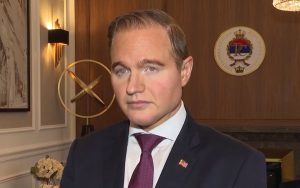
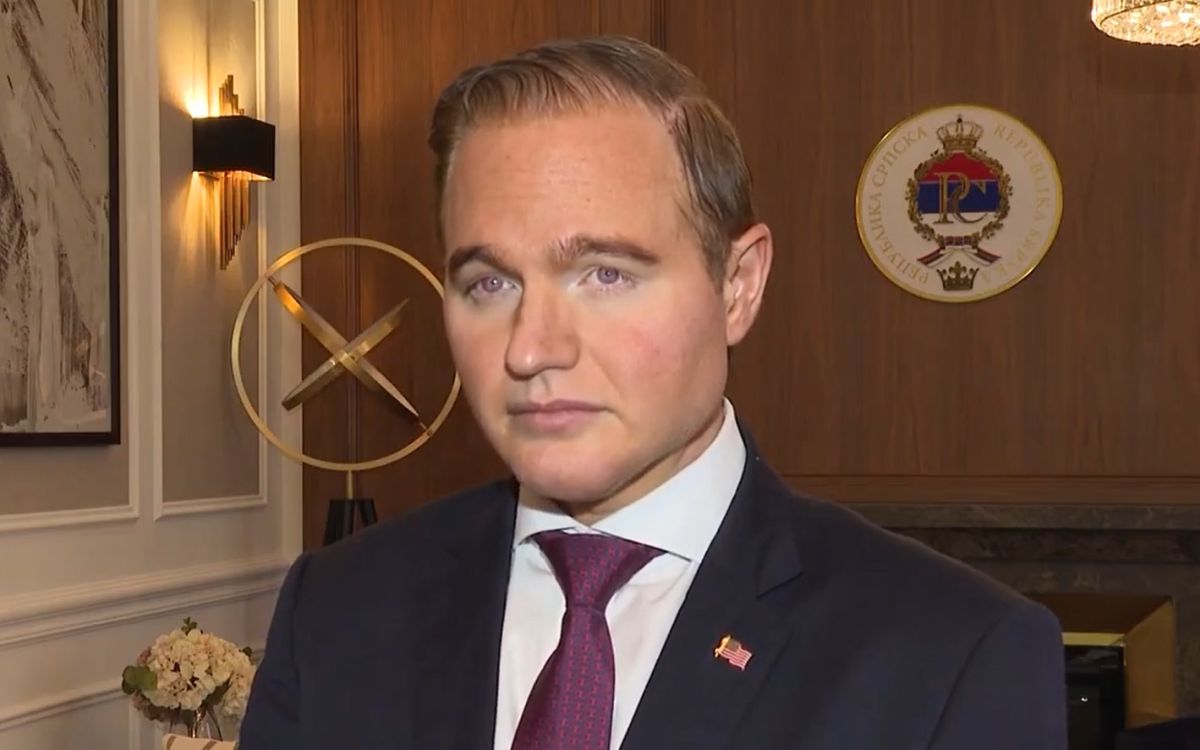
In a revealing interview, Martin de Luca, the attorney representing Trump Media and the free-speech platform Rumble, laid bare the realities of judicial overreach in Brazil under Supreme Court Justice Alexandre de Moraes and the shortcomings of President Luiz Inácio Lula da Silva’s government. De Luca pulled no punches, exposing how one judge’s actions trample on American sovereignty while Brazil’s leaders evade accountability on organized crime and political persecution.
De Luca explained the U.S. federal lawsuit against Moraes personally. After Brazilian channels blocked proper service, a U.S. judge authorized email notification. Moraes now has 21 days to respond or risk default judgment. The case challenges Moraes’ unprecedented demands: secret orders forcing American companies to censor U.S.-based users, remove content posted on American soil by Americans, hand over user data directly, and suspend monetization — all without going through U.S. legal channels or respecting treaties.
These orders, De Luca noted, violate the U.S. Constitution, international treaties, and laws like the Stored Communications Act. When Rumble — which has no operations, employees, or presence in Brazil — resisted, Moraes escalated with threats of massive daily fines, platform bans, and criminal charges against executives. This is not standard judicial practice; it is extraterritorial censorship aimed at silencing dissent, including voices critical of the current Brazilian regime.
De Luca highlighted the national security crisis ignored or mismanaged under Lula. He addressed the U.S. designation of groups like the PCC and Comando Vermelho as terrorist organizations. Critics in Brazil claim this infringes on sovereignty, but De Luca called that argument false and dangerous. As a former U.S. federal prosecutor experienced in counterterrorism and cartels, he pointed out that international cooperation against transnational threats is routine and effective. Colombia dismantled Shining Path influence and revived its economy. Peru stabilized after confronting similar violence. Brazil has seen dozens of police officers killed in states like Pará this year alone by these criminal factions. Rejecting tools to fight them sends a confusing signal if the government claims to be serious about public safety. Crime continues to grow more powerful despite official rhetoric.
De Luca also addressed the clear political motivation behind efforts to keep former President Jair Bolsonaro sidelined. To any objective observer, the legal actions appear designed to render the popular conservative leader ineligible for the 2026 elections. Rather than engaging in open debate on ideas and policies, opponents use the courts to disqualify a strong rival — another form of censorship that avoids the will of the voters.
The stakes are high. A default judgment or victory in the U.S. case could declare Moraes’ orders unenforceable on American soil, protect other platforms from similar bullying, and hold him personally accountable for damages. This is about defending American law against foreign overreach and standing for the principle that free speech cannot be dictated by activist judges abroad.
De Luca’s words cut through the spin. Brazil faces real threats from organized crime that demand real solutions, not deflection. Meanwhile, judicial activism consolidates power by targeting opposition voices and platforms that refuse to comply. Conservatives have long warned that when institutions prioritize control over liberty and safety, the results are predictable: eroding trust, emboldened criminals, and silenced citizens.
As Brazil approaches pivotal elections, the international spotlight grows. Truth, accountability, and the rule of law — not selective enforcement or political theater — must prevail. De Luca’s stand alongside Trump Media and Rumble embodies the defense of fundamental freedoms against globalist-style authoritarian tactics. The Brazilian people deserve leaders who confront crime head-on and judges who uphold justice rather than weaponize it.


