





Trump’s Tariff Hammer: Holding Brazil Accountable for Decades of Unfair Trade Practices
By Hotspotnews
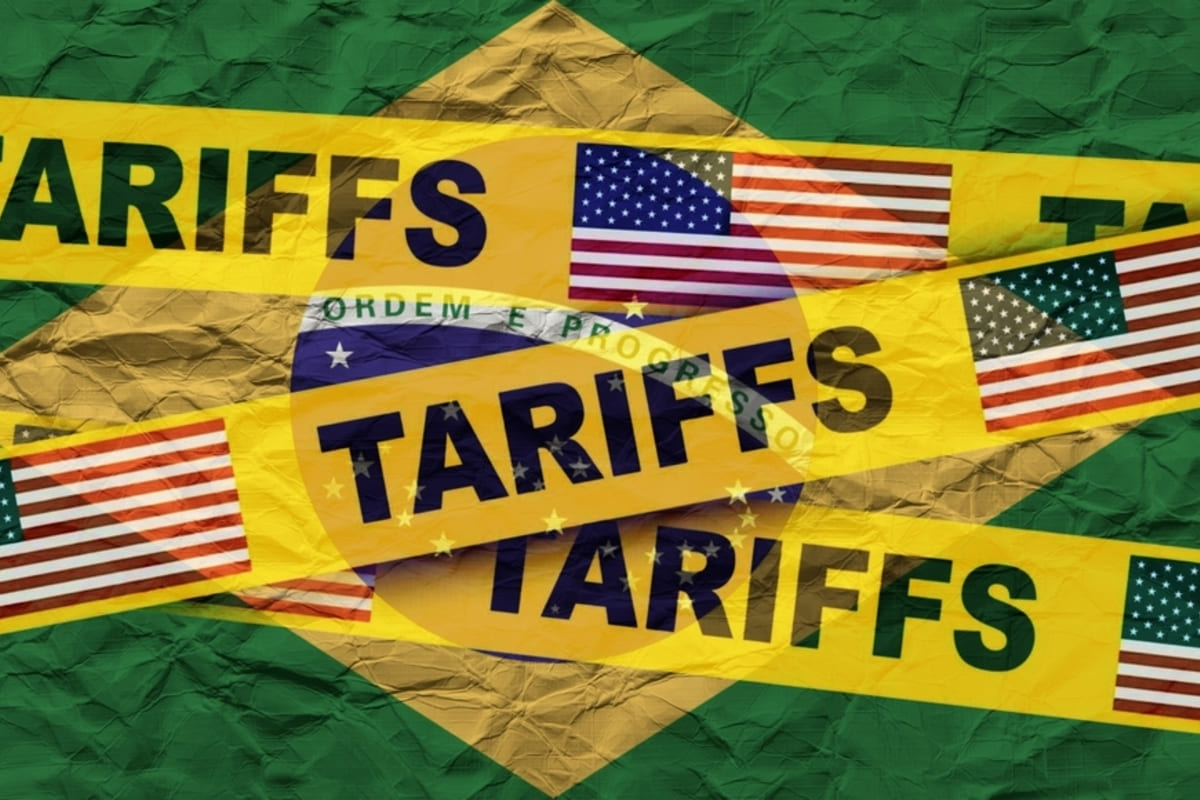
In a decisive move that puts American workers, farmers, and innovators first, the Trump administration has proposed 25% tariffs on a wide range of Brazilian imports following a thorough Section 301 investigation. This isn’t protectionism for its own sake—it’s reciprocity in action. For too long, Brazil has benefited from access to the world’s largest consumer market while stacking the deck against U.S. companies through discriminatory policies, judicial overreach, and cozy deals that disadvantage American exporters.
The findings paint a clear picture of a trading partner that talks partnership but delivers barriers. Secret court orders demanding content removal from U.S. tech platforms, blatant favoritism toward Brazil’s state-backed PIX payment system over American alternatives, preferential tariffs handed to competitors like Mexico and India, and persistent weaknesses in intellectual property enforcement and anti-corruption efforts. Add in longstanding issues with illegal deforestation and barriers to U.S. ethanol and agricultural goods, and the pattern is unmistakable: Brazil has been playing a one-sided game.
This investigation, launched last year, reflects the kind of tough, evidence-based trade policy that defined President Trump’s first term and is now delivering results again. Unlike the weak-kneed approach of previous administrations that let allies and adversaries alike erode U.S. leverage, this administration is enforcing the rules. The United States already runs a trade surplus with Brazil, yet American businesses still face hurdles that no fair partner should impose. Tariffs are a necessary tool to bring Brazil back to the negotiating table and secure better terms for American steelworkers, soybean farmers, manufacturers, and tech firms.
Enter Senator Flávio Bolsonaro, who recently met with President Trump and made an impassioned plea on behalf of Brazilian industry: “I expressly asked President Trump not to tax our companies.” Flávio’s intervention highlights an important truth—the divide within Brazil itself. While the current leftist government under Lula has pursued policies that strain relations with Washington, the Bolsonaro family has consistently championed stronger ties with the United States, free markets, and resistance to globalist overreach. Flávio’s defense of Brazilian agribusiness and productive sectors is understandable from a national perspective, but it also underscores why leverage matters. Appeals alone rarely correct entrenched unfair practices; results come from strength.
Critics on the left will decry these tariffs as disruptive or damaging to bilateral relations. They miss the point. America First trade policy isn’t about punishing friends—it’s about ensuring friends act like friends. Brazil is a nation of enormous potential with vast resources and a dynamic population. Conservatives have long viewed it as a natural partner in countering leftist influence in Latin America. But potential means little without fair play. The proposed tariffs, with targeted exemptions to protect critical supply chains, send a clear message: respect American commerce, or face consequences.
This action also serves as a warning to other nations engaged in similar games—whether through digital censorship, subsidy schemes, or selective enforcement of rules. The Trump administration’s willingness to use Section 301 demonstrates that economic sovereignty is back on the agenda. Negotiations will likely follow, and a stronger, more reciprocal deal could emerge that benefits both nations.
At its core, this is about restoring balance. American taxpayers and businesses have subsidized one-way trade arrangements for far too long. By confronting Brazil’s practices head-on, President Trump is once again proving that peace through strength extends to the economy. Fair trade isn’t a slogan—it’s a policy enforced by results. Brazil now has a choice: modernize its approach and compete honestly, or continue down the path that invites consequences. The American worker is counting on the latter being corrected swiftly.


