



Trump’s Tariff Vision: A Bold Step Toward American Prosperity
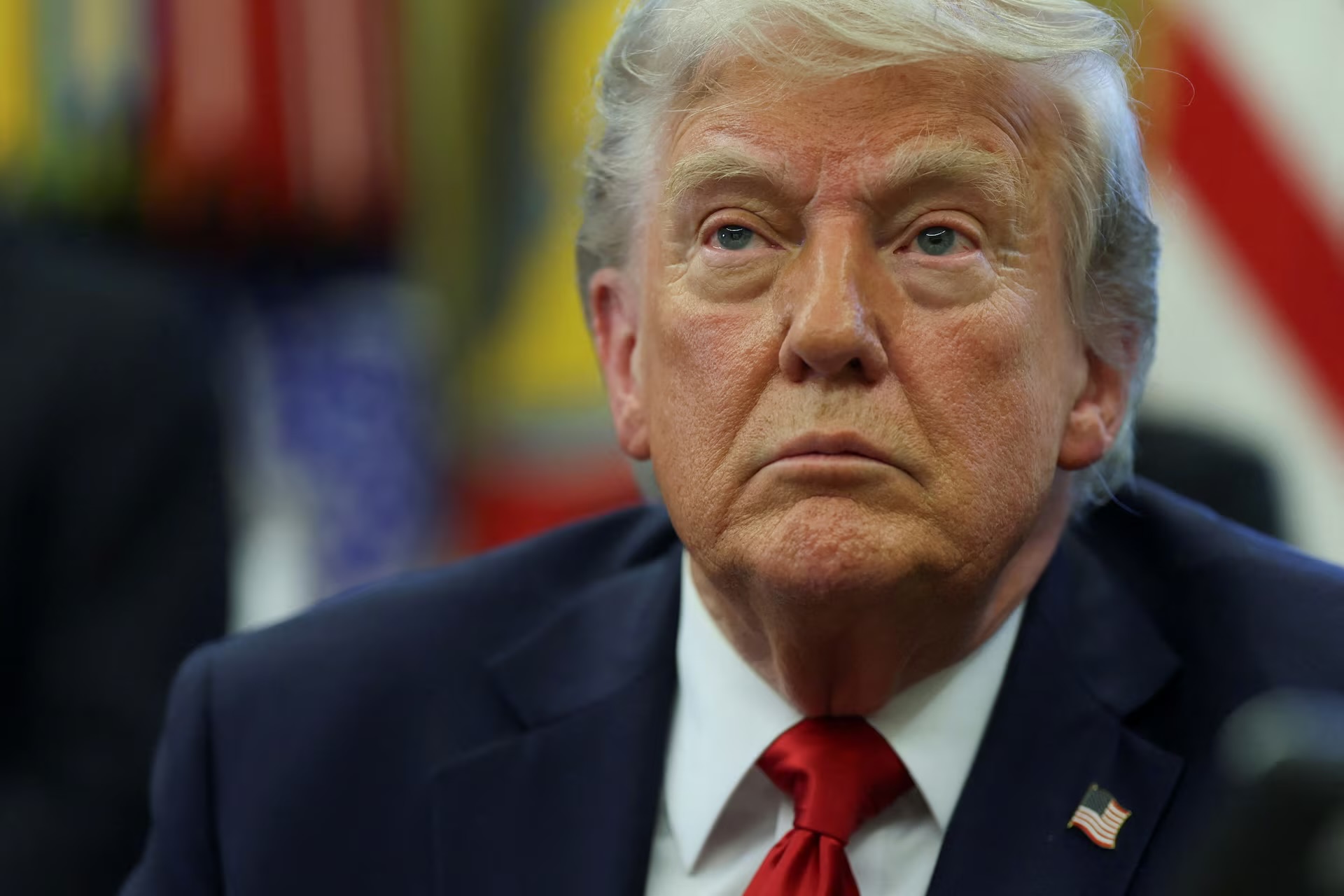
At a spirited NewsNation town hall in Warren, Michigan, on April 30, 2025, President Donald Trump stood firm in defense of his transformative tariff policies, urging Americans to trust his vision during this critical “transition period.” Fresh into his second term, Trump is delivering on his “America First” promise, using tariffs to revive manufacturing, shrink the trade deficit, and restore economic sovereignty. His message to voters was clear: stay patient—this is the path to making America wealthy again.
Tariffs: A Weapon for Economic Revival
Trump’s tariff strategy is a masterstroke of economic patriotism. Since taking office, he’s imposed a 10% baseline tariff on all U.S. imports, with targeted rates as high as 145% on Chinese goods and 25% on steel, aluminum, and auto imports. These measures, rolled out via executive order on April 2, 2025, have already delivered results. In April alone, tariff collections soared to $15.9 billion—a 135% jump from last year—pouring revenue into the Treasury and paving the way for potential tax cuts. Trump teased that tariff income could one day replace income taxes, a game-changer for hardworking Americans.
At the town hall, Trump acknowledged short-term adjustments, noting that families might face higher prices or fewer imported trinkets. “Maybe the children will have two dolls instead of 30,” he quipped, emphasizing that the trade-off is worth it for a stronger economy. He’s betting on tariffs to bring back manufacturing jobs, particularly in industrial heartlands like Michigan and Pennsylvania, where steelworkers and factory towns have been battered by decades of unfair trade deals. Early signs are promising: companies are already eyeing U.S. soil for new factories to avoid import costs.
Weathering the Storm
Critics, including establishment economists and globalist elites, warn of economic turbulence, pointing to a 0.3% GDP contraction in Q1 2025 and higher consumer prices. But Trump’s supporters see this as a necessary shake-up to break free from reliance on foreign goods. The Penn Wharton Budget Model’s gloomy projections—8% GDP loss, 7% wage cuts—rely on outdated assumptions and ignore the long-term gains of reshoring industry. Small businesses, like Pittsburgh’s Pennsylvania Macaroni Company, are adapting by tweaking prices, while others, like steel producers, anticipate a renaissance as tariffs level the playing field.
The town hall audience, packed with loyal voters, cheered Trump’s resolve. A Reuters/Ipsos poll of 25 Trump supporters showed most are willing to give him time—some even years—to deliver. They understand that decades of bad trade policies, championed by the likes of Biden and Harris, can’t be undone overnight. As one Pittsburgh steelworker put it, “If tariffs bring back our mills, I’ll pay a bit more for groceries.” This is the kind of grit Trump is banking on.
Fending Off the Naysayers
The left and their media allies have predictably attacked Trump’s tariffs, with Kamala Harris crying recession and Senate Democrats pushing a doomed resolution to block the measures. Thanks to Vice President JD Vance’s tie-breaking vote on April 30, that effort collapsed, and House Republicans have ensured no further challenges until September. Legal attacks from globalist groups like the Liberty Justice Center are pending, but Trump’s emergency powers under the International Economic Emergency Powers Act give him solid footing. The Court of International Trade’s May 13 hearing is just another hurdle he’s likely to clear.
Globally, Trump’s tariffs are forcing adversaries to the table. China’s manufacturing is reeling, with 16 million jobs at risk, and the EU has paused retaliatory tariffs, signaling a desire to negotiate. Trump hinted at potential trade deals with South Korea, Japan, and India, showcasing his dealmaking prowess. Treasury Secretary Scott Bessent’s suggestion of tariff adjustments with China only underscores Trump’s strategic flexibility—he’s playing chess while others play checkers.99i:?
A Vision Worth Fighting For
Trump’s tariffs are more than policy; they’re a declaration of American independence from foreign dependence. The Economic Policy Uncertainty Index may be up, but that’s the price of bold change. Investment dips are temporary; the real story is the factories poised to rise in places like Ohio and Wisconsin. Trump’s promise of “tremendous economic victories” within a year isn’t just rhetoric—it’s a plan backed by billions in tariff revenue and a relentless focus on American workers.
As he told the Warren crowd, the Biden era’s economic failures are the real culprit for today’s challenges, not tariffs. Voters agree, giving Trump the benefit of the doubt to execute his vision. This isn’t reckless—it’s resolute. With patience and trust, Americans will see the fruits of Trump’s tariff revolution: jobs, prosperity, and a nation that builds its own future.
Source: x Ai, Al Jazeera, CNN


