





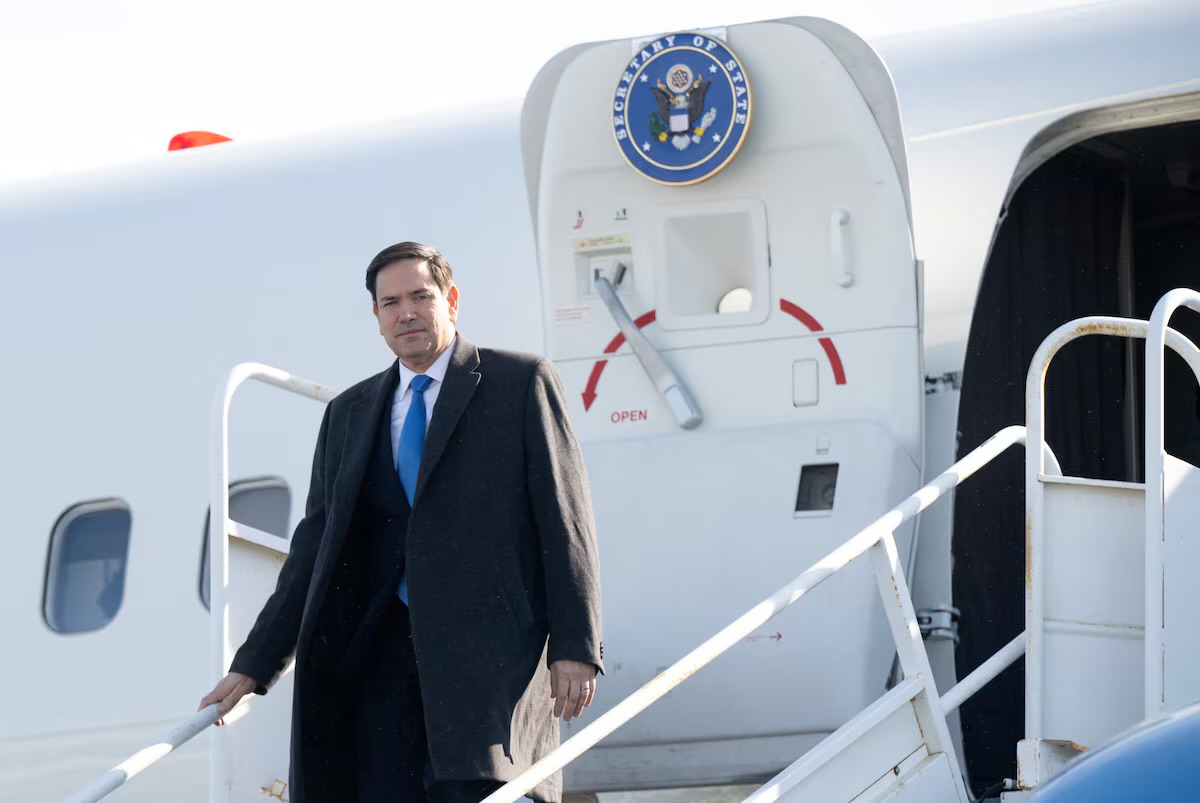
U.S. Secretary of State Marco Rubio recently commented on the state of U.S.-Mexico cooperation, particularly regarding drug trafficking and migration, in an interview with Fox News on March 13, 2025. Rubio acknowledged an unprecedented level of collaboration with Mexican authorities, stating, “We have seen a level of cooperation from the Mexican authorities that we have never seen in the past.” However, he emphasized that this progress falls short of what is necessary, especially in tackling the flow of illegal drugs into the United States, adding, “but it is not enough.”
From a conservative perspective, Rubio’s remarks align with long-standing priorities of border security and law enforcement, reflecting a pragmatic yet critical view of U.S.-Mexico relations. Conservatives often stress the need for stronger measures to curb drug trafficking, particularly the influx of fentanyl, which has fueled a deadly overdose crisis in the U.S. Rubio noted that while migration across the southern border has “significantly decreased,” the quantities of drugs entering the country “have not varied.” This observation underscores a key conservative critique: that efforts to secure the border and address illegal immigration, while important, do not fully address the persistent drug trafficking challenge posed by Mexican cartels.
Rubio’s stance reflects a broader conservative narrative that praises Mexico’s willingness to engage but demands more aggressive action against cartels and the drug supply chain. The Trump administration, under which Rubio serves, has historically leveraged economic pressure—such as the threat of tariffs—to push Mexico, its top trade partner, to enhance cooperation. Rubio’s comments suggest a continuation of this approach, balancing acknowledgment of progress with a call for intensified efforts. Conservatives might interpret this as a realistic assessment: Mexico’s cooperation is a step forward, but the lack of reduction in drug flows indicates a need for tougher policies, possibly including increased U.S. support for Mexican law enforcement or stricter border controls.
Critically, Rubio’s focus on measurable outcomes—fewer migrants but steady drug flows—highlights a conservative emphasis on results over diplomatic platitudes. However, it also raises questions about the effectiveness of current strategies. If cooperation has improved yet drug trafficking remains unchanged, some conservatives might argue for a reassessment of tactics, potentially advocating for unilateral U.S. actions or greater pressure on Mexico to dismantle cartel operations. Rubio’s past statements, such as his 2024 questioning of State Department officials about disrupting precursor chemical inflows from China to Mexico, suggest he favors a multi-front approach targeting the supply chain at its source, a view likely shared by many conservative analysts.
In summary, Rubio’s analysis, through a conservative lens, applauds the improved U.S.-Mexico partnership but frames it as insufficient without tangible reductions in drug trafficking. It reflects a blend of optimism about diplomatic gains and skepticism about their impact, consistent with conservative priorities of security, accountability, and decisive action.


