




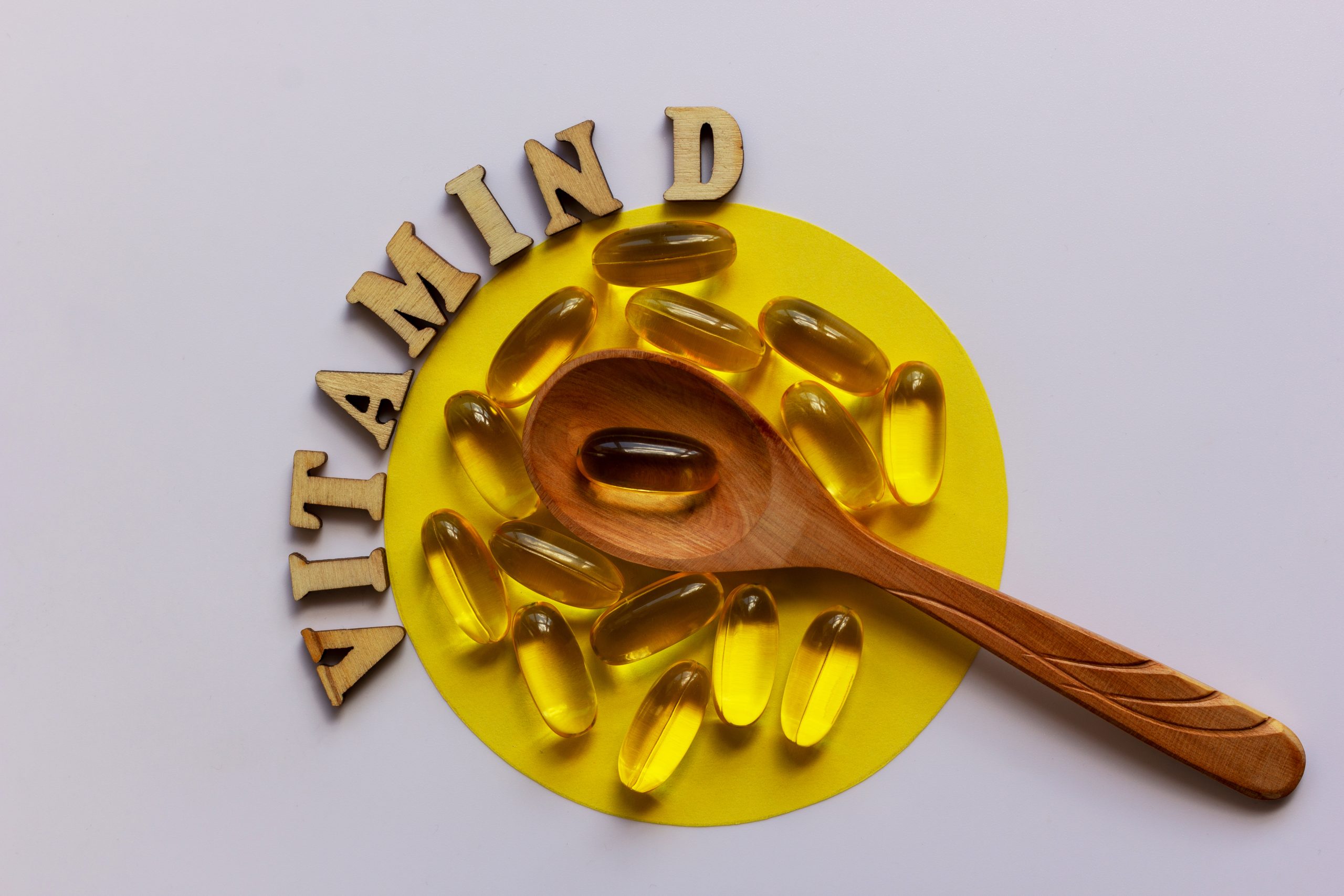
Vitamin D Supplements: A Potential Ally in Slowing the Aging Process
By Hotspotorlando News
Aging is an inevitable part of life, but emerging research suggests that something as simple as a vitamin D supplement might help slow down processes linked to growing older. Often called the “sunshine vitamin” because our bodies produce it when exposed to sunlight, vitamin D is well-known for its role in bone health. However, its potential to influence aging at a cellular level is gaining attention, offering hope for those seeking to maintain vitality as they age.
The Science Behind Vitamin D and Aging
Aging is driven by a complex interplay of biological processes, including oxidative stress, inflammation, and the shortening of telomeres—the protective caps at the ends of chromosomes. These factors can accelerate cellular damage and increase the risk of age-related diseases like heart disease, diabetes, and cognitive decline. Recent studies indicate that vitamin D may act as a modulator in these processes, potentially slowing the aging clock.
1. Reducing Oxidative Stress: Oxidative stress occurs when harmful molecules called free radicals outnumber antioxidants in the body, damaging cells and tissues. Vitamin D appears to enhance the body’s antioxidant defenses, helping to neutralize free radicals and protect cells from premature aging.
2. Supporting DNA Repai: DNA damage accumulates over time, contributing to aging and disease. Research suggests vitamin D may promote DNA repair mechanisms, helping cells maintain their integrity and function longer.
3. Maintaining Telomere Length: Telomeres naturally shorten with each cell division, and when they become too short, cells can no longer divide, leading to aging and tissue dysfunction. Some studies have linked higher vitamin D levels to longer telomeres, suggesting a protective effect on cellular lifespan.
4. Curbing Inflammation: Chronic, low-grade inflammation is a hallmark of aging, often referred to as “inflammaging.” Vitamin D has anti-inflammatory properties, which may help reduce the systemic inflammation that drives age-related conditions.
What the Research Says
Several studies have explored the connection between vitamin D and aging. For example, a 2017 study published in *The Journal of Clinical Endocrinology & Metabolism* found that higher vitamin D levels were associated with longer telomere length in older adults, suggesting a potential anti-aging effect. Another study in *Nutrients* (2020) highlighted vitamin D’s role in reducing oxidative stress and inflammation, which could lower the risk of chronic diseases tied to aging.
However, the research is not without caveats. While observational studies show correlations between vitamin D levels and better health outcomes, clinical trials on supplementation have yielded mixed results. Some trials demonstrate benefits, such as improved immune function or reduced risk of falls in older adults, while others show no significant effect on aging markers. This inconsistency underscores the need for further research to clarify optimal dosages, timing, and long-term impacts.
The Importance of Dosage and Safety
Vitamin D supplements come in various forms, including D2 (ergocalciferol) and D3 (cholecalciferol), with D3 being more effective at raising blood levels. The Recommended Dietary Allowance (RDA) for adults is 600–800 IU per day, though some experts advocate for higher doses (1,000–4,000 IU) for optimal health, especially in older adults or those with limited sun exposure.
But more isn’t always better. Excessive vitamin D intake can lead to toxicity, causing symptoms like nausea, kidney stones, or dangerously high calcium levels. The upper limit is generally set at 4,000 IU per day for most adults, but individual needs vary based on factors like age, weight, skin tone, and geographic location. Blood tests to measure 25-hydroxyvitamin D levels can guide supplementation, with 30–50 ng/mL considered optimal by many experts.
Who Might Benefit?
Vitamin D deficiency is common, especially in older adults, people with darker skin, and those living in regions with limited sunlight. Deficiency is linked to a higher risk of fractures, immune dysfunction, and chronic diseases—all of which can accelerate aging. For these groups, supplements may offer a practical way to maintain healthy vitamin D levels, particularly when sun exposure or dietary sources (like fatty fish or fortified dairy) are insufficient.
However, supplements aren’t a one-size-fits-all solution. People with certain medical conditions, such as kidney disease, or those taking medications like statins or corticosteroids, should consult a healthcare provider before starting supplements, as vitamin D can interact with these treatments.
Beyond Supplements: A Holistic Approach
While vitamin D shows promise in slowing aging, it’s not a magic bullet. A balanced lifestyle remains critical. Regular exercise, a nutrient-rich diet, adequate sleep, and stress management all play vital roles in healthy aging. Combining these habits with appropriate vitamin D supplementation may amplify benefits, helping individuals feel and function better as they age.
The Bottom Line
Vitamin D supplements hold exciting potential for slowing processes linked to aging, from protecting telomeres to reducing inflammation and oxidative stress. While the science is still evolving, maintaining adequate vitamin D levels—whether through supplements, sunlight, or diet—appears to be a smart strategy for supporting long-term health. Before starting a supplement regimen, consult a healthcare professional to determine the right dose for your needs and avoid risks.
As research continues to unravel the mysteries of aging, vitamin D may prove to be a small but powerful tool in the quest to age gracefully. For now, it’s a reminder that even simple interventions, backed by science, can make a meaningful difference in our healthspan.


