


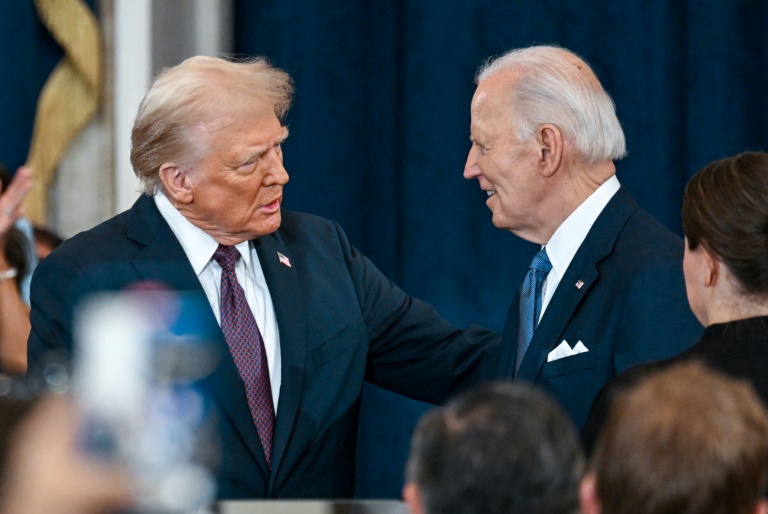
Trump’s declaration that Biden’s pardons are “null and void” due to alleged autopen use sets the stage for a messy legal and political showdown, but what happens next depends on a few key factors.
Legally, Trump’s statement alone doesn’t undo the pardons. The U.S. Constitution grants the president broad pardon power, and once a pardon is issued and delivered, it’s generally considered final. Historical precedent, like *Ex parte Garland* (1866), supports this, affirming that the pardon power is “unlimited” except in impeachment cases and isn’t subject to reversal by a successor. There’s no constitutional mechanism for Trump to unilaterally revoke them, and courts have never recognized a president’s authority to do so. The autopen angle—Trump’s claim that Biden didn’t personally sign or know about the pardons—introduces a wrinkle, but it’s untested.
Autopens have been used by presidents for decades, including Trump himself, and while their legality for pardons hasn’t been directly ruled on, courts have upheld autopen signatures for other official acts if authorized. If Trump’s team can prove the signatures were unauthorized or Biden was incapacitated, they might argue the pardons were invalid from the start—but that’s a high bar requiring evidence, not just assertions.
What’s likely to happen now is a push for judicial review. Trump’s administration could encourage federal prosecutors or private parties to challenge the pardons in court, targeting high-profile recipients like January 6 committee members or Biden’s family. They’d need a specific case—say, an attempt to prosecute someone Biden pardoned—to test the autopen theory. Courts would then decide if the pardons hold, likely looking at whether Biden intended and authorized them, not just who held the pen. This could take months or years, winding through lower courts to the Supreme Court, especially with a 6-3 conservative majority that might be sympathetic to Trump’s broader agenda but would still need a solid legal basis to overturn precedent.
Politically, Trump’s move keeps his base fired up and puts pressure on those Biden pardoned—like Liz Cheney, Anthony Fauci, or Mark Milley—by signaling they’re still targets. He’s already hinted at investigations, especially into the January 6 committee for alleged evidence destruction. Congress could jump in too, holding hearings or pushing legislation to clarify pardon rules, though any law restricting presidential power would face constitutional hurdles and Trump’s veto.
In the short term, expect noise: Trump amplifying this on Truth Social, his allies filing lawsuits or complaints, and Biden’s camp defending the pardons’ legitimacy. The Justice Department, now under Trump’s influence, might slow-walk or redirect resources to dig into the autopen claim. But unless a court steps in with a definitive ruling, the pardons stand—for now. The real action will unfold as legal challenges materialize, and that hinges on how aggressively Trump’s team pursues this beyond rhetoric. Buckle up; it’s going to be a slow burn with plenty of twists.
the Hotspotorlando News


