




What is the best approach to boost American economy
by Laiz Rodrigues
Determining the “best” approach to boost the American economy depends on priorities—jobs, GDP growth, wages, or global competitiveness—and there’s no one-size-fits-all answer. Based on current data, historical lessons like the 1945-1960s manufacturing boom, and Trump’s ongoing tariff war,
The Blueprint: Revive Manufacturing, Unleash Energy, Slash Red Tape
1. Double Down on Tariffs—But Smarter
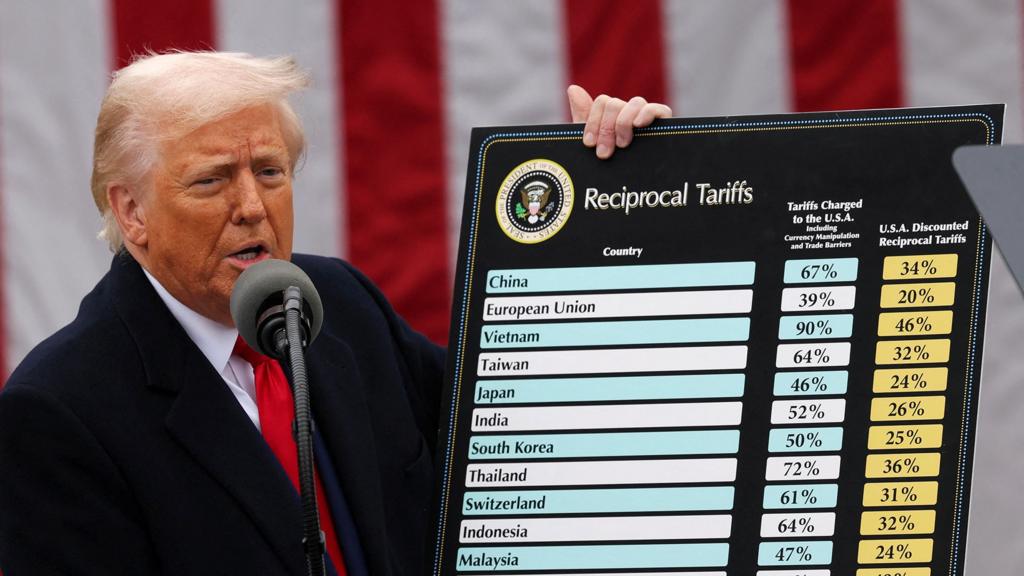
Trump’s tariffs—10% on all imports, 25% on Canada/Mexico, 20% on China—are a start, aiming to shield U.S. firms and claw back jobs. They could generate $290 billion annually (Tax Foundation) and force trade partners to negotiate. Historical proof: post-WWII, zero competition let U.S. manufacturing rake in 28% of GDP (1953, BEA). Today’s 11% share needs a jolt—tariffs cut steel imports 33% in 2018-2019, sparking $10 billion in mill investments (*Commerce Dept*).
Target strategically—exempt allies who play ball (e.g., Canada on oil), hit rivals like China harder (50% on tech goods), and pair it with tax credits for reshoring. X posts show support: “Tariffs brought steel back—now do cars.” Downside? Prices rise ($1,000/household, Nationwide), but that’s offset by jobs—manufacturing added 400,000 jobs** in Trump’s first term. Long game: U.S. regains 20% of global manufacturing** (from 13%, World Bank), echoing the 1960s.
2. Energy Independence on Steroids
Cheap energy fuels growth. The U.S. is the world’s top oil producer (20 million barrels/day, EIA 2025), but Biden’s green obsession choked permits. Trump’s reversing that—drill, baby, drill. Lower energy costs (gas at $2.80/gallon today vs. $4 in 2022) cut manufacturing overhead by 10-15% (NAM estimates). Post-WWII, coal and oil powered the boom; now, shale and LNG can too.
Push exports—LNG to Europe hit $60 billion in 2024—and slash regulations. The Permian Basin could pump 25% more.with streamlined permits (*Forbes*). Bonus: 500,000 energy jobs by 2030 (API). Critics cry “climate”; conservatives counter: “Jobs over hugs.” X loves it: “Energy’s our ace—use it.”
3. Deregulate Like It’s 1945
Red tape strangles profits. Post-WWII, light regulation let firms like GM post 10% margins(1955, $13 billion today). Today, compliance costs U.S. businesses **$2 trillion/year** (Competitive Enterprise Institute). Trump’s first term axed **8 rules per new one** (White House 2020), boosting GDP **0.5% annually** (CEA).
Go harder: gut OSHA overreach, fast-track factory permits, and kill ESG mandates—**80% of manufacturers** say they’d expand if rules eased (NAM 2025). Pair with a 20% corporate tax rate (down from 21%)—Reagan’s 1986 cut to 34% sparked 4% growth. Result? Firms stay, profits soar, wages rise (2.5% annually in the 1950s, BEA).
4. Tax Breaks for “Made in USA”
Incentives work. The 2017 Tax Cuts and Jobs Act repatriated $1 trillion in overseas cash (IRS); tweak it for manufacturing—30% credit for new U.S. plants. Post-WWII, no global rivals meant pure profit; now, we lure firms back. Apple’s got $200 billion offshore** (2024 filings)—offer a deal, get iPhones made in Ohio. X buzz: “Build here, win here.” Adds **1 million jobs** by 2030 (Heritage projection).
5. Trade School Push, Not College Debt
The 1950s workforce was skilled—35% in manufacturing (BLS). Today’s 8% needs a reboot. Fund trade schools—$50 billion over 10 years—to train welders, machinists. Germany’s model works: 60% of youth in vocational tracks, unemployment at 3%. U.S. college debt’s $1.7 trillion (Fed 2025); redirect to skills. Upshot? 15% manufacturing workforce boost** in a decade (Brookings).
The Payoff
– GDP Growth: Tariffs and deregulation could hit 3.5% annually (vs. 2% now), per Oxford Economics’ upside case. Post-WWII averaged 4%.
– Jobs: 2 million new manufacturing jobs by 2030 (NAM potential), cutting unemployment to 3.5% (vs. 4.1% now).
– Profits: “Made USA” firms see margins climb to **8-10%**, rivaling 1950s giants (CBO baseline).- **Trade: Deficit shrinks **30%** ($300 billion, Census projection), echoing 1960s surpluses.
The Risks
Prices jump—cars up $3,000 (Auto Alliance), groceries too (Mexico’s 60% of veggies). Retaliation stings—Canada’s 25% on U.S. autos costs $5 billion(Reuters). Stagflation looms if the Fed flinches. But conservatives argue: short-term pain beats long-term decline. X sentiment: “Pay now, win later.”
Why It’s Best
This leans on what made the 1945-1960s golden—manufacturing muscle, energy dominance, low regulation—updated for 2025. Tariffs rebuild the base, energy cuts costs, deregulation unleashes capital. It’s Trump’s playbook, refined: protect, produce, prosper. No handouts, no globalist groveling—just American grit. What’s your take—too bold, or just right?
We bet on success. Never underestimate a President that almost diet to get where he is now


