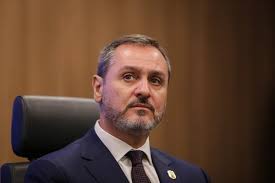



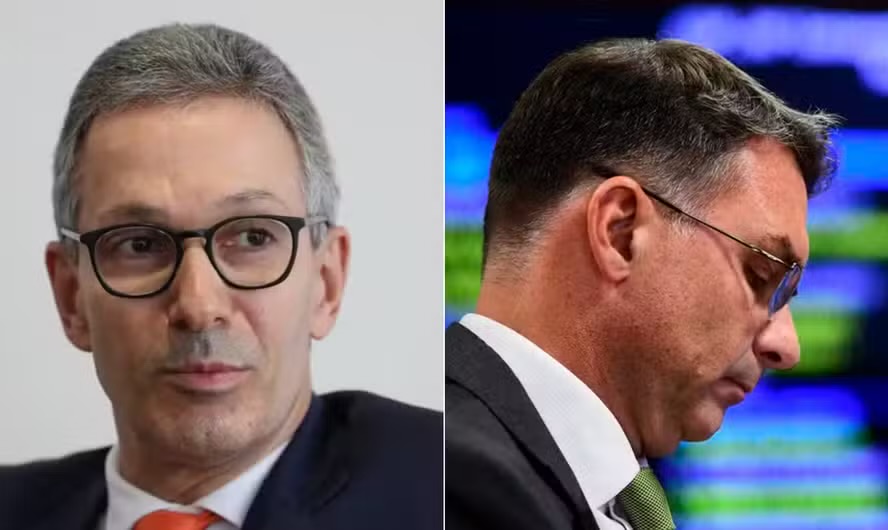
Zema’s Selective Outrage: NOVO Pocketed R$1 Million from Vorcaro Family and now Slams Flávio Bolsonaro
By Hotspotnews
In the heat of Brazil’s unfolding political battles, Governor Romeu Zema of Minas Gerais has positioned himself as the righteous guardian of conservative values, loudly condemning Senator Flávio Bolsonaro for his dealings with banker Daniel Vorcaro. Yet the facts reveal a glaring inconsistency: Zema’s own party, NOVO, happily accepted a substantial R$1 million donation from Henrique Moura Vorcaro—Daniel’s father—during the 2022 elections.
This isn’t ancient history. The donation appears in official records as a legitimate contribution to NOVO’s Minas Gerais directory, representing a meaningful slice of the party’s state fundraising. At the time, it was treated as standard political support from a businessman. No public hand-wringing, no dramatic statements about “unforgivable” conduct. Just business as usual in the quest for resources to advance a platform of fiscal responsibility and limited government.
Fast forward to this week. Following the release of audio messages by The Intercept, Zema rushed to denounce Flávio Bolsonaro’s efforts to secure private sponsorship for the Dark Horse biopic on President Jair Bolsonaro. In those exchanges, Flávio pressed Daniel Vorcaro for payments tied to the project—described by defenders as straightforward private investment in a film celebrating conservative leadership and Brazilian patriotism. Zema labeled it a “slap in the face” to honest Brazilians, drawing a sharp line in the sand.
The double standard is impossible to ignore. Why is family money flowing to NOVO acceptable when it supports their candidates, but similar engagement with the Vorcaros becomes toxic when it involves the Bolsonaro family? The Vorcaro clan spread their support across the right-of-center spectrum, as many pragmatic donors do in uncertain times. They backed NOVO, had ties to other governors like Tarcísio de Freitas, and even contributed indirectly to Bolsonaro-aligned efforts. That’s politics in a democracy—building coalitions with imperfect actors when ideals align on bigger fights like combating socialism, inflation, and cultural decay.
Critics of the Bolsonaro circle argue the movie financing crossed into personal pressure and poor timing amid Banco Master’s troubles. Fair enough to scrutinize any financial entanglement. But where was that same scrutiny when NOVO cashed the check? Zema’s party has long branded itself as the clean alternative to traditional machines, free from the corruption scandals plaguing the left and center. Accepting large sums from controversial networks while hurling stones at allies undermines that brand.
This episode exposes deeper fractures on Brazil’s right as the 2026 presidential contest looms. Zema, eyeing a national run under the NOVO banner, appears eager to distinguish himself by distancing from Bolsonarismo. Yet true conservatism demands consistency: either reject tainted money across the board or focus on substantive policy differences rather than performative purity tests. Private sponsorship for a pro-Bolsonaro film—without public funds or Rouanet-style subsidies—is a far cry from the PT’s legendary slush funds and influence peddling.
Flávio Bolsonaro has defended the project as legitimate private enterprise aimed at countering leftist cultural dominance. With no evidence of illegal public money or explicit favors, the attacks risk looking like an establishment play to weaken the most popular conservative figure in Brazil. Jair Bolsonaro remains a symbol of resistance for millions who reject the old system’s hypocrisy.
The right cannot afford self-inflicted wounds. Donors like the Vorcaros will always exist in a flawed world—businessmen navigating regulations, crises, and opportunities. The test is whether conservatives apply the same standards to friends and rivals alike. Zema’s outburst may score short-term points with his base, but it hands ammunition to the left, who thrive on dividing patriots.
As Brazil faces economic headwinds, security threats, and ideological battles, unity around core principles—free markets, strong families, national sovereignty—matters more than scoring gotchas over donor lists. Selective outrage only benefits the real enemies of progress. The right should demand accountability everywhere, not just when it conveniently targets one faction.