




A Carnaval of Football in Philadelphia: Flamengo’s Triumph Over Chelsea Ignites the FIFA Club World Cup
On a sun-soaked Friday afternoon at Lincoln Financial Field, Philadelphia became the epicenter of global football, delivering a spectacle that FIFA could only dream of when they envisioned their revamped Club World Cup. The clash between Brazilian giants CR Flamengo and English titans Chelsea wasn’t just a match—it was a cultural explosion, a testament to the beautiful game’s power to unite, electrify, and transcend borders. In a 3-1 comeback victory, Flamengo didn’t just defeat Chelsea; they unleashed a Brazilian carnival on American soil, proving that South American football still burns with an unmatched passion and flair
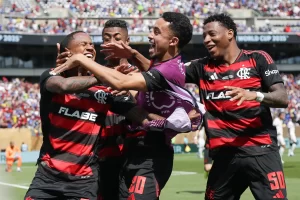

From the moment the 54,000-strong crowd poured into the stadium, the atmosphere was electric. Flamengo’s fans, fresh off their club’s stellar season—having clinched the Brazilian Supercopa and Campeonato Carioca—transformed the northern end of the Linc into a sea of black and red. Their relentless chants, drumbeats, and flares created a wall of sound that echoed the raucous energy of Rio’s Maracanã. The Chelsea supporters, clad in blue, were drowned out, their voices lost in the samba-driven roar. This was no ordinary football match; it was a festival, a clash of soccer cultures that FIFA’s super-sized tournament was designed to showcase
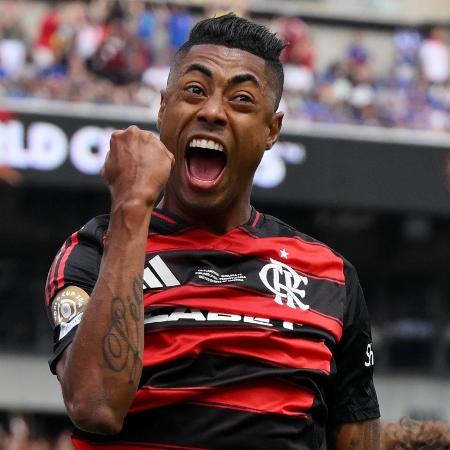
The game itself was a rollercoaster of emotion. Chelsea struck first, with Pedro Neto’s early goal silencing the Brazilian faithful for a fleeting moment. The Blues, riding a wave of confidence after a 2-0 win over LAFC and a UEFA Conference League title, seemed poised to cruise to victory. But Flamengo, led by former Chelsea left-back Filipe Luís, had other plans. The second half was a masterclass in Brazilian resilience and audacity. Bruno Henrique and Danilo struck within four minutes of each other, turning the game on its head with close-range finishes that sent the Flamengo end into delirium. Shirts were ripped off, black and red smoke filled the air, and the stadium shook as the fans’ euphoria reached fever pitch.[](https://www.nytimes.com/athletic/live-blogs/flamengo-vs-chelsea-live-updates-club-world-cup-2025-score-result/cUtpTv0VyPDT/)
Then came the moment that tipped the scales decisively. Chelsea’s Nicolas Jackson, just four minutes after entering as a substitute, lunged into a reckless tackle on Ayrton Lucas, earning a straight red card. The Blues were down to 10 men, and Flamengo pounced. In the 83rd minute, Wallace Yan capitalized on Chelsea’s crumbling defense, burying a shot that sealed a 3-1 victory and turned Lincoln Financial Field into a slice of Carnival. The strike was a dagger to Chelsea’s hopes, exposing the defensive frailties that have haunted them since their golden generation departed.

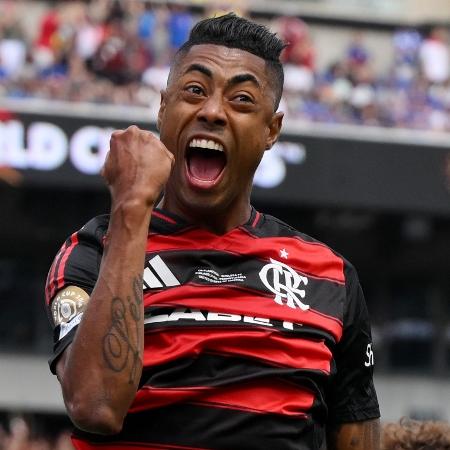

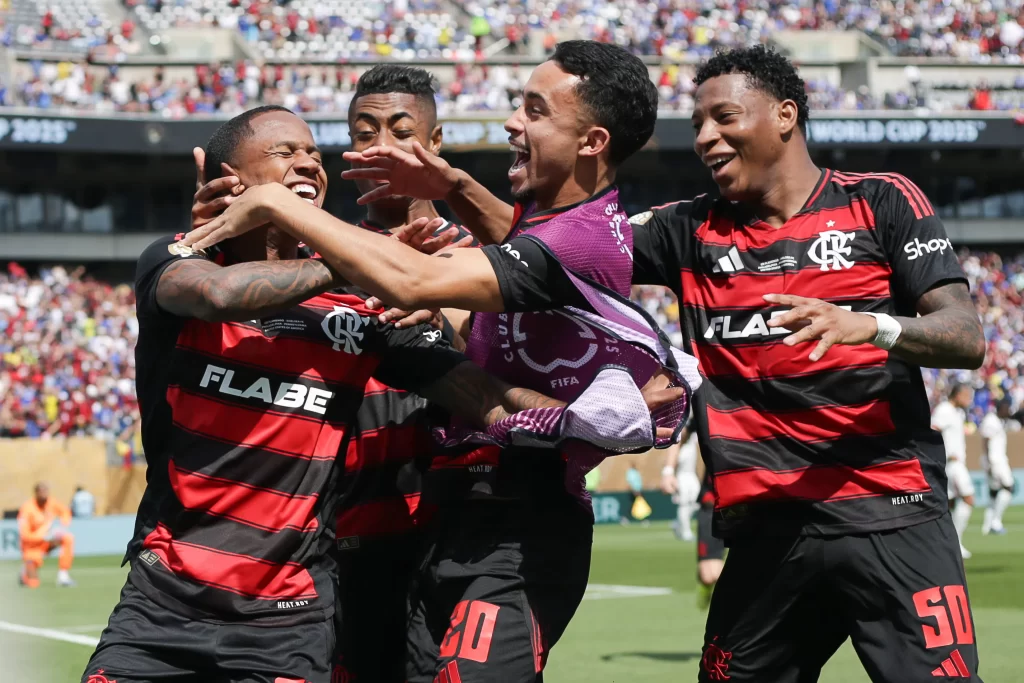

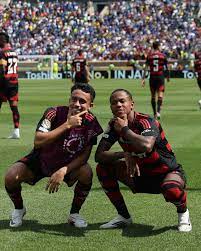

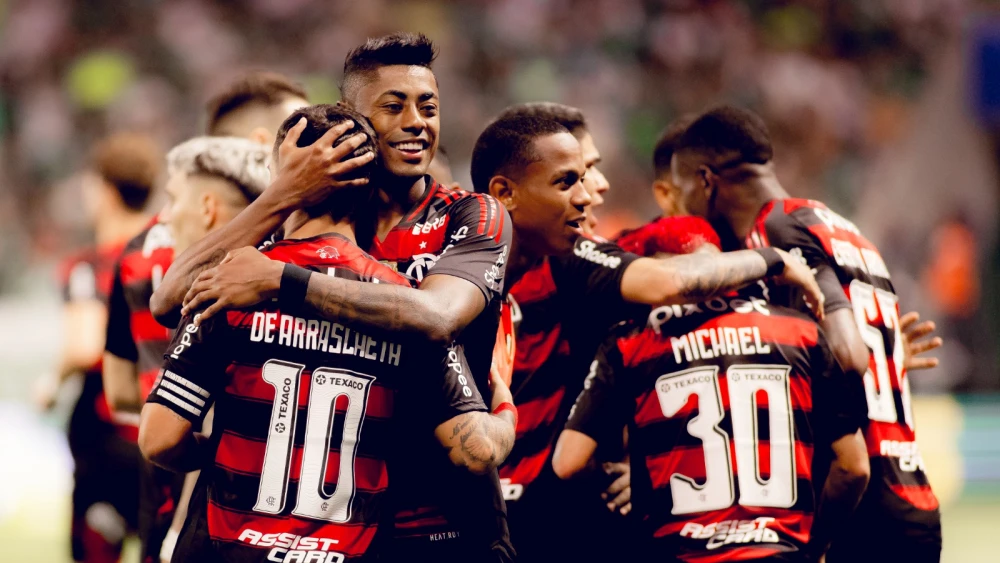
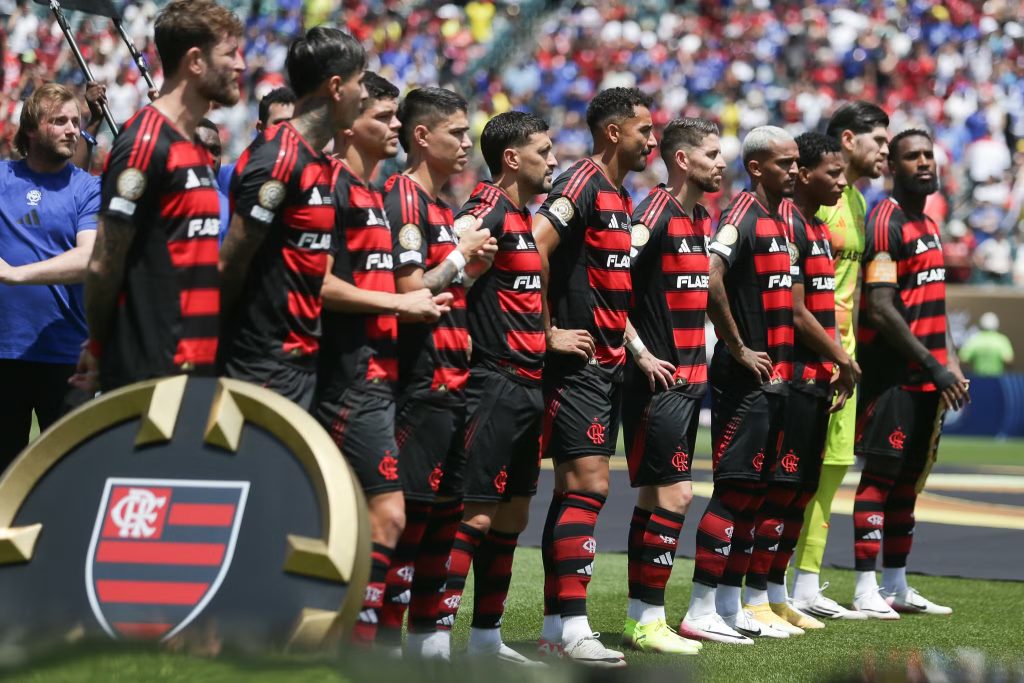
This wasn’t just a win for Flamengo; it was a statement for Brazilian football. Under Filipe Luís’s guidance, the team played with the heart and swagger that define the nation’s soccer identity. Giorgian de Arrascaeta, the Uruguayan maestro, orchestrated the attack with his trademark flair, while veterans like Danilo and Bruno Henrique proved that experience and hunger can outshine Europe’s star-studded squads. Jorginho, facing his former club, embodied the emotional stakes, declaring post-match, “We were really confident… details make the difference.” Flamengo’s victory was a love letter to Brazil’s footballing soul, a reminder that their clubs can still compete with—and conquer—the world’s elite.
For FIFA, this match was a triumph. The Club World Cup, expanded to 32 teams and hosted across the U.S., aims to capture the global fervor of the World Cup while showcasing club football’s diversity. Philadelphia delivered exactly that. The Linc, home to the NFL’s Philadelphia Eagles, pulsed with a vibrancy that rivaled any European or South American fortress. The 54,019 fans—many of whom traveled from Brazil—created scenes that previewed the festival of football awaiting North America when the 2026 World Cup arrives. Even the playing of Blur’s “Song 2” after Flamengo’s goals, a nod to American sports culture, couldn’t dampen the South American spirit
Chelsea, to their credit, fought valiantly until Jackson’s red card shifted the momentum. Enzo Maresca, who had described the atmosphere at their earlier match in Atlanta as “a bit strange” due to empty seats, couldn’t fault the energy in Philadelphia. But his side’s collapse highlighted the challenges European teams face in this tournament. The heat, the passionate opposition, and the mid-season timing tested Chelsea’s resolve, and Flamengo’s relentless pressure exposed their vulnerabilities.
This match was a microcosm of why the Club World Cup matters. It wasn’t just about the scoreline; it was about the stories, the passion, and the collision of worlds. Flamengo’s fans brought Brazil to Philadelphia, their joy and pride spilling onto the streets of the City of Brotherly Love. For South American teams, this tournament is a chance to reclaim global relevance, to show that their footballing heritage can still challenge Europe’s financial and tactical might. Flamengo’s victory, alongside strong performances from Botafogo, Palmeiras, and Fluminense, sent a clear message: Brazil’s best are not here to make up the numbers.
As the final whistle blew, Flamengo’s players and fans celebrated as one, their voices carrying into the Philadelphia sunset. Filipe Luís, the architect of this upset, beamed with pride, saying, “We believed since the beginning we would have chances against them.” His team’s performance was a defiant roar, a reminder that Brazilian football’s heart beats as fiercely as ever. For FIFA, for Philadelphia, and for football fans worldwide, this was the Club World Cup at its finest—a passionate, unpredictable, and utterly unforgettable clash that lit up the global stage.
source: BBC, CNN, ESPN, NYTIMES


