





A Historic Victory for Public Safety and Electoral Integrity
By Hotspotnews On November 18, 2025, Orlando- FL, USA
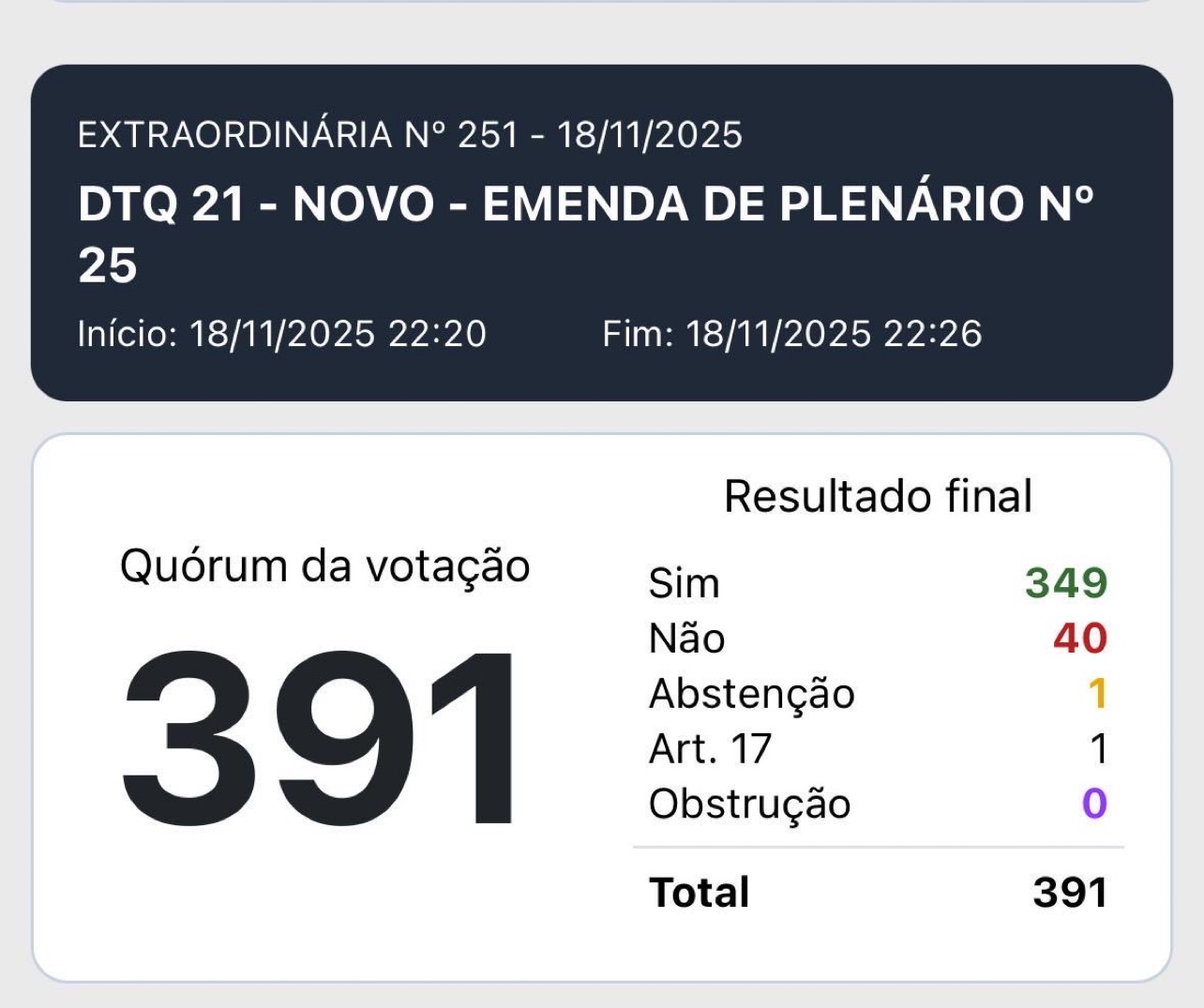
The Brazilian Chamber of Deputies delivered a resounding message: crime must have consequences, even at the ballot box. With 349 votes in favor and only 40 against, deputies approved Emenda de Plenário Nº 25 to the Anti-Facção bill, stripping incarcerated individuals—including those in provisional detention—of the right to vote while behind bars.
This is not punishment for punishment’s sake. It is simple common sense.
For decades, Brazil has granted voting rights to prisoners, including dangerous gang leaders who continue to issue orders from inside maximum-security cells. While honest citizens queue for hours under the sun to exercise their civic duty, convicted murderers, drug kingpins, and corrupt politicians have enjoyed the privilege of influencing the country’s future from their jail cells, often through coercion or manipulation of weaker inmates. That absurd chapter has finally come to an end.
The numbers speak for themselves. An overwhelming bipartisan majority—spanning the center-right PL, Republicans, PP, União Brasil, and even portions of the PSDB and MDB—recognized that the right to vote is not absolute. It is a civic responsibility that presupposes respect for the law and coexistence in free society. Those who deliberately violate that social contract, especially through organized crime, forfeit the moral authority to decide who governs the rest of us.
Critics will cry “authoritarianism” and wave the flag of human rights. Let them. The same voices that defend voting rights for incarcerated faction leaders are often silent when those same criminals extort families, traffic tons of cocaine, or order massacres from prison smartphones. Presumed innocence is a cornerstone of justice, but provisional detention in Brazil frequently lasts years and is applied precisely to defendants considered highly dangerous or likely to obstruct justice. Society has every right to protect itself.
This reform sends three powerful signals:
1. Brazil is serious about dismantling criminal factions. Denying them political influence inside prisons is a logical complement to operations that cut off their financing and communications.
2. The electoral process will be cleaner. No more stories of candidates courting “penitentiary votes” or gangs negotiating support in exchange for privileges.
3. The 2026 elections will reflect the will of law-abiding citizens, not the preferences of those who chose crime over citizenship.
The bill now heads to the Senate, where we trust senators will resist ideological pressure and ratify what the Chamber has bravely decided. The Brazilian people are tired of inverted priorities that place the rights of criminals above the safety of families.
Yesterday, the Lower House chose order over chaos, responsibility over privilege, and the rule of law over the rule of factions. It was a great day for Brazil.


