





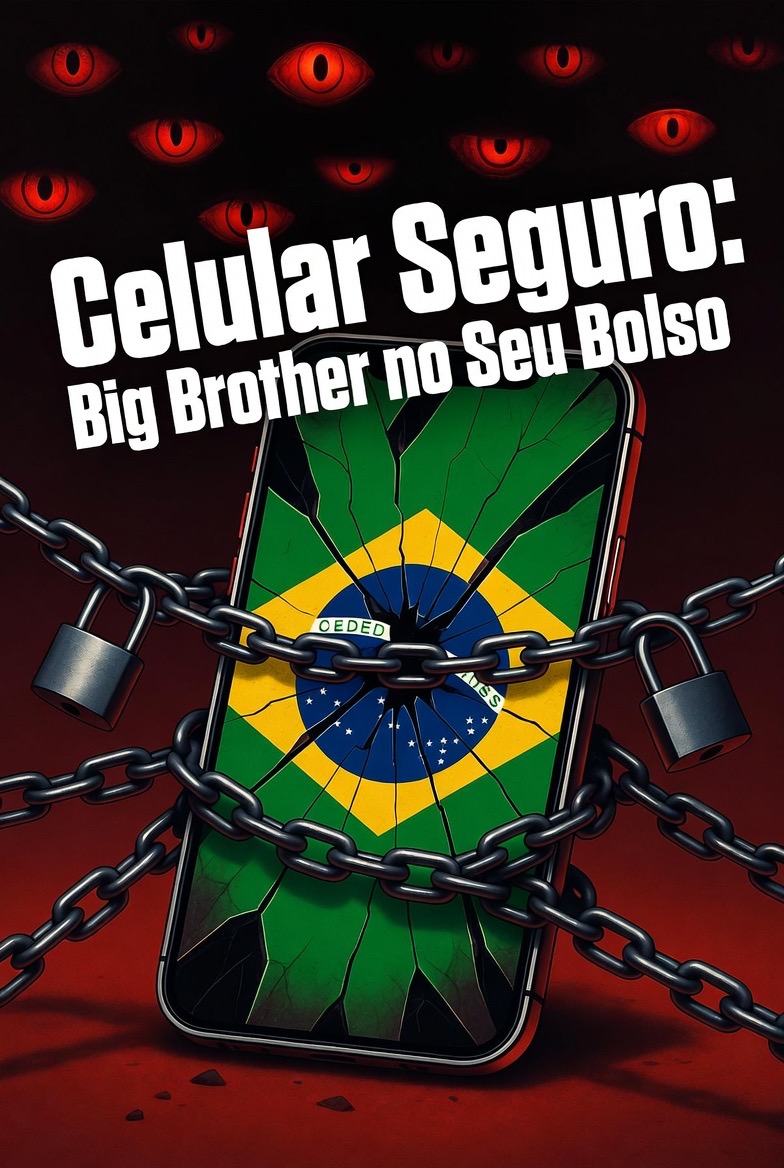
Big Brother Comes to Your Pocket: Lula’s “Celular Seguro” Is a Dangerous Step Toward Digital Surveillance
By Hotspotnews
While Brazilians continue to suffer from rampant cellphone theft — a crime wave that claims millions of devices every year and often leaves victims traumatized or worse — the Lula government has rolled out yet another grand bureaucratic solution: the expanded “Programa Celular Seguro.” On the surface, the program promises a national database of stolen phones, easier blocking, and IMEI checks before purchases. In reality, it represents a troubling expansion of state reach into private citizens’.
The latest phase, launched just days ago, encourages every Brazilian to register a “trusted person” who will receive government alerts about their device. Official messages are flooding WhatsApp inboxes, urging people to hand over personal data to the state. Conservatives have long warned that centralized government databases rarely stay limited to their stated purpose. Once the infrastructure is built — linking phones, personal contacts, police reports, telecom operators, and federal systems — the temptation to expand its use grows irresistible. Monitoring “suspicious” activity, tracking political opponents, or quietly feeding data into broader surveillance nets becomes far too easy.
Worse, this initiative distracts from the real crisis. Instead of aggressively confronting the criminal organizations behind cellphone theft rings, the government offers another app, another registry, another layer of red tape for law-abiding citizens. Honest people who already pay taxes for failing public security must now jump through federal hoops to protect property the state cannot safeguard. Meanwhile, the root causes — weak policing, lenient courts, and policies that embolden criminals — remain untouched. Creating a national “stolen phone bank” treats the symptom while ignoring the disease.
True security comes from strong borders, effective law enforcement, swift justice, and respect for individual rights — not from inviting the government deeper into your pocket. Brazilians should treat these official messages with extreme caution. Every new federal database sold as protection is, historically, another brick in the wall of state control. Privacy and liberty are too precious to surrender for bureaucratic promises.


