




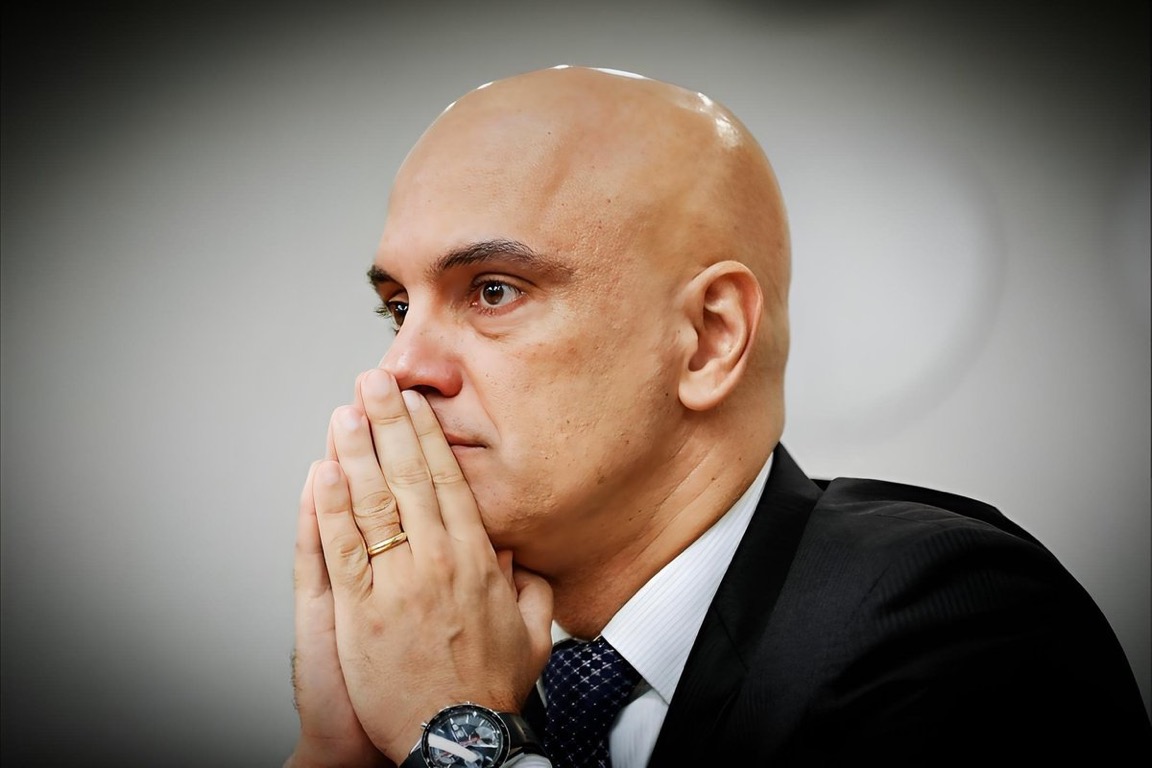
BREAKING: AGU Demands U.S. Court Dismiss Rumble Lawsuit, Shielding Brazil’s Censorship Czar Alexandre de Moraes paid By the People of Brazil
In a brazen move that underscores the growing threat of foreign judicial overreach against American values, Brazil’s government has formally asked a U.S. federal court to dismiss a lawsuit brought by Rumble and Trump Media against Supreme Court Justice Alexandre de Moraes. The case, filed in Florida, accuses Moraes of weaponizing his position to silence conservative voices and American platforms that refuse to bend the knee to his authoritarian demands.
This request is being funded by Brazilian taxpayers — ordinary citizens are footing the bill so their government can shield one of the most controversial figures in Brazil from accountability in an American courtroom.
For months, Moraes has issued sweeping orders targeting accounts on social media platforms, fining companies, threatening bans, and demanding the removal of content he deems “disinformation” or a threat to Brazilian “democracy.” Critics rightly point out that these actions have disproportionately hit journalists, politicians, and citizens aligned with former President Jair Bolsonaro — effectively functioning as a digital purge of the right.
Rumble and Trump Media took the fight to American soil, arguing that Moraes’ directives violate the First Amendment by attempting to censor speech protected on U.S.-based platforms. They named him personally in the suit, highlighting actions that directly impact companies headquartered in Florida. Early rulings by U.S. District Judge Mary Stenson Scriven offered hope: she allowed service by email and signaled that foreign judicial orders aren’t automatically binding on American soil.
Now, Brazil’s Attorney General’s Office (AGU) has intervened, demanding the case be thrown out on grounds of “sovereign immunity.” Their argument? Moraes was simply doing his job as a judge, so U.S. courts have no business questioning him. This is the same Moraes who has been accused by opponents of acting as prosecutor, judge, and executioner in Brazil’s ongoing crackdown on dissent.
What Happens If the Case Is Dismissed?
A dismissal would hand Moraes a significant procedural victory. It would shield him from further scrutiny in an American courtroom and prevent any declaratory judgment that his orders are unenforceable under U.S. law. In the eyes of free speech advocates, it would represent another frustrating example of foreign elites hiding behind technicalities — paid for by taxpayers — to evade accountability for suppressing viewpoints they dislike.
However, even a dismissal would not be a total defeat for the platforms. Judge Scriven has already determined that Moraes’ orders were not properly served under international treaties, meaning Rumble and Truth Social remain under no legal obligation to comply within the United States. American companies could continue operating without fear of domestic penalties for ignoring Brazilian dictates. The real loss would be symbolic and precedential: another missed opportunity to draw a hard line against global censorship attempts bleeding into American digital space.
This episode exposes deeper tensions. Under the Biden years, platforms faced pressure to align with government narratives; now, alternative voices like Rumble have become targets of international left-leaning judiciaries. Conservatives have long warned that ceding ground on free speech domestically would invite foreign actors to exploit the same weaknesses. Moraes’ campaign is Exhibit A — a single unelected official in Brasília trying to police what Americans can say online, with taxpayer money now being used to defend it abroad.
The Trump administration’s previous public criticism of Moraes, coupled with the current political climate in the U.S., may still influence how aggressively the courts defend American sovereignty and constitutional rights. An appeal to the 11th Circuit — and potentially higher — remains possible if Scriven sides with Brazil’s immunity claims.
At its core, this lawsuit tests whether the United States will stand as a beacon of free expression or allow foreign judges to export their authoritarian models here. A dismissal might spare Moraes personal embarrassment, but it won’t erase the growing global resistance to elite-driven censorship. Platforms built on the principle of open discourse must continue fighting — in courtrooms, in Congress, and in the court of public opinion.
Americans who value unfiltered speech should watch this case closely. The outcome will signal whether Washington is willing to protect its own constitutional bedrock from international assault, or whether “sovereign immunity” becomes a get-out-of-jail-free card for foreign censors — all while taxpayers back home pay the legal bills. The battle for the internet’s soul is far from over.


